Japan Plans Early Decision on Nuclear-Powered Submarines
Japan plans to seek an early decision on nuclear-powered submarines in a draft security policy, according to people familiar with the drafting process. The proposal comes alongside a planned exception to Japan’s non-nuclear principles that would allow nuclear weapons into the country during an emergency.
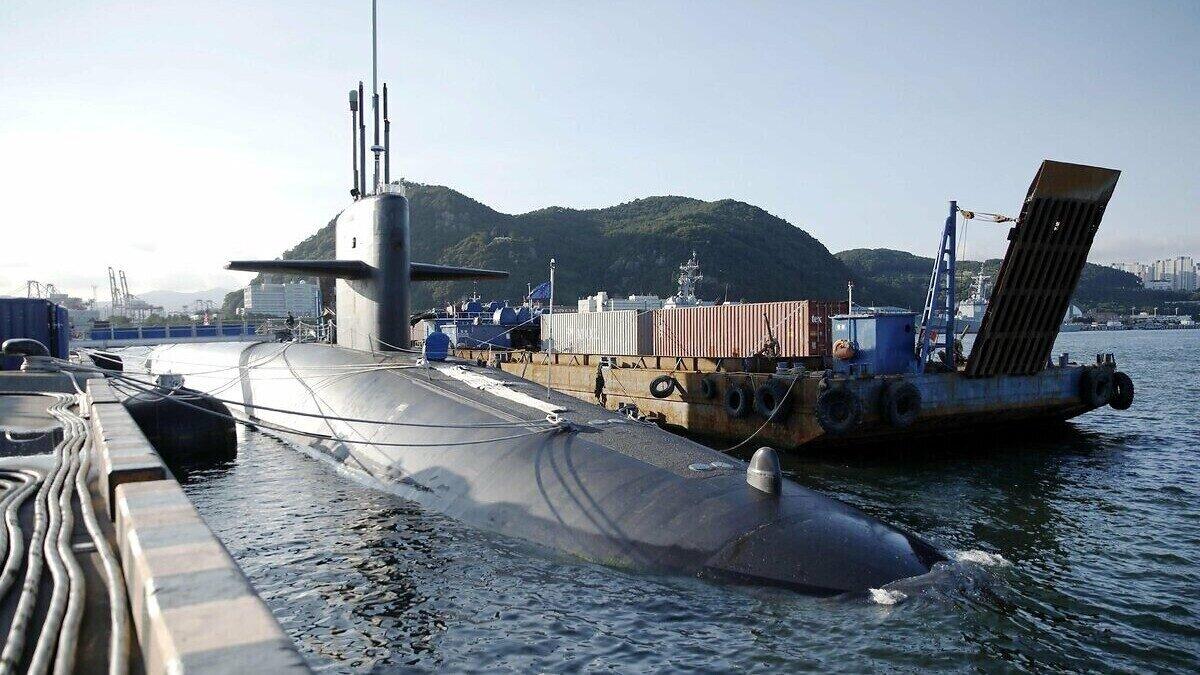
Japan plans to seek an early decision on acquiring nuclear-powered submarines in its draft security policy, according to people familiar with the drafting process. The proposal could change the country’s defense posture as supporters cite China’s maritime activity and military buildup.
The draft says the government will begin considering the submarines and reach a conclusion at an early stage, the people said. The project is expected to begin in the early years of the five-year period starting in fiscal 2027 next April.
The government plans to set aside money for the project as research and study expenses. Construction costs could reach roughly 1 trillion yen ($6.3 billion) per submarine.
Supporters say nuclear-powered submarines can stay underwater for long periods and could strengthen deterrence amid China’s maritime assertiveness. Proponents also say the vessels could carry vertical missile launch systems capable of striking enemy bases, improving crew safety.
Japan’s government has maintained that acquiring such submarines would be difficult because its atomic energy law limits nuclear power to peaceful purposes. Critics say the vessels could enable offensive operations on the high seas and conflict with Japan’s exclusively defense-oriented policy.
The draft’s wording reflects the position of the Japan Innovation Party, the junior partner in the ruling coalition. The party supports acquiring nuclear submarines and reviewing Japan’s non-nuclear weapons principles.
The Liberal Democratic Party remains cautious about nuclear-powered submarines. Key members of Prime Minister Sanae Takaichi’s government have grown supportive as China expands its military capabilities in the Pacific.
Japan’s three non-nuclear principles prohibit the possession, production or introduction of nuclear weapons. The government plans to maintain them while explicitly allowing an exception for bringing nuclear weapons into Japan during an emergency.
There are concerns that the principle against introducing nuclear weapons could complicate port calls by nuclear-armed US vessels. The proposed exception reflects a position outlined by a foreign minister in parliament in 2010 and endorsed by successive governments, including Takaichi’s.
The ruling parties will discuss the submarines and non-nuclear principles at upcoming working-level meetings. The government intends to finalize the revised National Security Strategy and two related documents through a Cabinet decision by the end of December.
Before then, the government will coordinate with the ruling parties and receive a report from an expert panel. The panel includes former senior defense and foreign affairs bureaucrats, academics, and media and business leaders.
 Take the quizWhat Kind of Holiday Spender Are You? Take the Black Friday QuizStart →
- 1Stock Market Today: Dow Slides 1.34% and VIX Jumps 15% at Midday

- 2Joachim Klement to Sell Stocks After S&P 500 Signal

- 3Stock Market Today: Nasdaq, S&P 500 Futures Slide as AI Selloff Deepens

- 4Kenneth Walker’s Groin Injury Puts Cardinals Game in Doubt

- 5Pat Cummins Faces Captaincy Doubts From Mitchell Johnson

 Lifestyle · Food & HealthNormal Blood Pressure Chart by Age: Healthy Ranges Explained
 Lifestyle · Food & HealthWhat Is Raynaud’s Syndrome? Why Fingers Turn White in the Cold
 Lifestyle · Food & Health4 Ways Walking After Meals Helps Your Body, Doctors Say
 Lifestyle · Food & Health4 Reasons to Eat Oatmeal, According to Nutrition Experts