EU Weighs Big Tech Tax to Fund Next Seven-Year Budget
The European Union is considering a tax on major digital companies as it searches for revenue for its next long-term budget. European Council chief Antonio Costa is expected to include the levy in a spending proposal, amid disputes over cuts and national contributions.
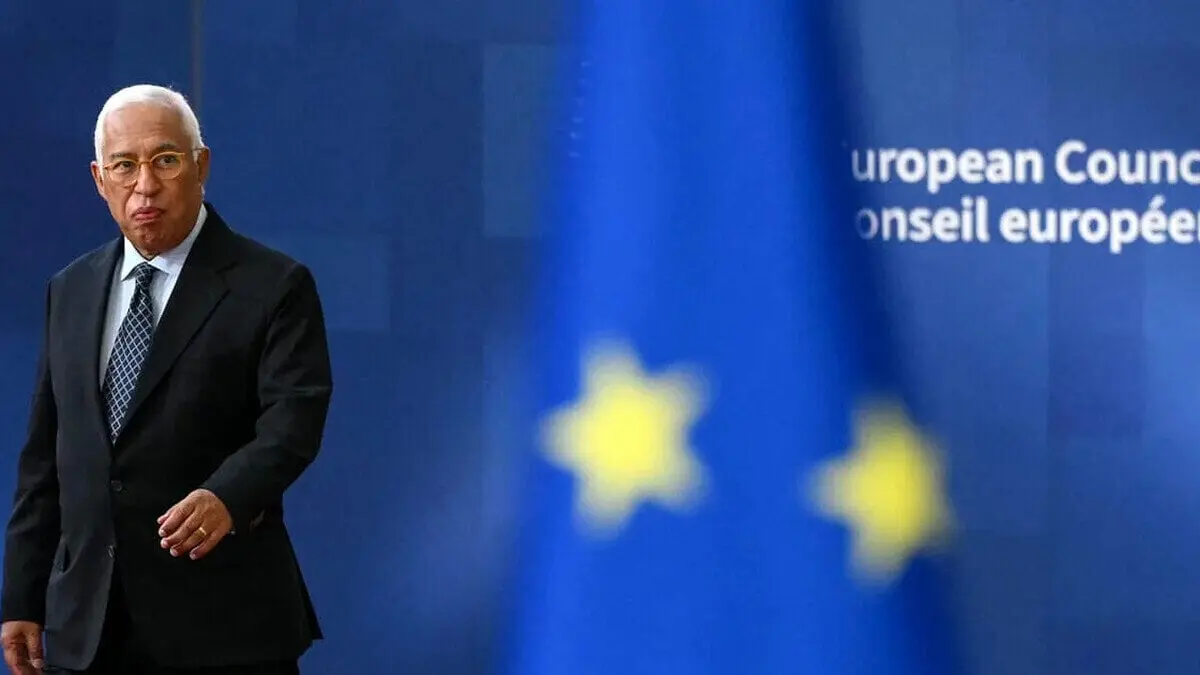
The European Union is considering a tax on the world’s biggest digital companies to help fund its 2028–2034 budget. The proposal could add to tensions with the United States over Europe’s treatment of major technology firms.
European Council chief Antonio Costa is expected to include the levy in a new spending proposal. Costa represents the EU’s 27 member states, which must agree among themselves before a budget deal can be reached.
The US administration has reacted angrily to EU fines and actions against technology companies under the bloc’s content and competition rules.
Budget cuts divide EU members
Germany has led calls for major cuts since the European Commission proposed a two-trillion-euro budget for 2028–2034. Berlin criticized a subsequent draft that suggested reducing the seven-year budget by 140 billion euros ($154 billion).
Several people familiar with Costa’s plans said his draft would propose cuts of 200 billion euros. EU lawmakers have warned that the proposed reductions go too far.
Budget lawmaker Siegfried Muresan said the European Parliament would block a spending plan if member states continued to ignore its concerns.
“We think that the debate... is focused too much on cuts,” Muresan said.
Germany is part of a group of six EU members pressing for restraint. Sweden, another member of the group, has expressed skepticism about new taxes.
“It’s money taken from somewhere else. It won’t solve the financial equation,” Swedish Europe Minister Jessica Rosencrantz said. She called for lower spending and national contributions.
Digital levy could replace company tax
The European Parliament has also pushed for a digital tax. The European Commission previously proposed a tax on large companies, a levy on electronic waste and higher tobacco taxes.
The digital levy is expected to replace the proposed tax on large companies. EU lawmakers also want taxes on cryptocurrencies and online gambling.
The parliament estimates those measures, including the digital levy, could raise 32 billion euros annually.
France, the EU’s second-biggest economy and a net budget contributor, argues the bloc needs enough money to meet rising challenges.
A separate group of 17 southern, central and eastern European countries, known as the Friends of Cohesion, is seeking more funding for agriculture and regional development.
Costa will host EU leaders at a Brussels summit, where they are expected to examine his budget proposal.
 Take the quizWhat Kind of Holiday Spender Are You? Take the Black Friday QuizStart →
- 1Stock Market Today: Dow Slides 1.34% and VIX Jumps 15% at Midday

- 2Joachim Klement to Sell Stocks After S&P 500 Signal

- 3Stock Market Today: Nasdaq, S&P 500 Futures Slide as AI Selloff Deepens
- 4Kenneth Walker’s Groin Injury Puts Cardinals Game in Doubt

- 5Pat Cummins Faces Captaincy Doubts From Mitchell Johnson

 Markets · FintechHow to Calculate Compound Interest: Formula, Examples and the Rule of 72
 Lifestyle · Food & HealthNormal Blood Pressure Chart by Age: Healthy Ranges Explained
 Lifestyle · Food & HealthWhat Is Raynaud’s Syndrome? Why Fingers Turn White in the Cold
 Lifestyle · Food & Health4 Ways Walking After Meals Helps Your Body, Doctors Say