UK CfD AR7 Secures 8.4 GW Offshore Wind at £90.91/MWh
Analysis of DESNZ Contracts for Difference Allocation Round 7 results, £1.790B Pot 3 budget expansion, and grid supply chain impacts for UK energy buyers.

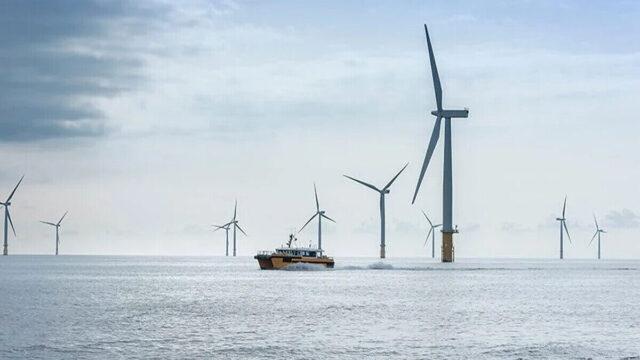
The UK Department for Energy Security and Net Zero (DESNZ) awarded 8.4 GW of offshore wind capacity in Contracts for Difference (CfD) Allocation Round 7 (AR7) at an average clearing price of £90.91/MWh (2024 prices), after nearly doubling the fixed-bottom budget to £1.790 billion. For UK industrial power buyers and marine supply-chain contractors, AR7 establishes both the medium-term wholesale floor and the capital pipeline for grid and port infrastructure.
- Record Offshore Wind Volume: AR7 results published in early 2026 secured 8.4 GW of offshore wind within a 14.7 GW total renewable allocation across UK technologies.
- Clearing Strike Prices: Fixed-bottom offshore wind (Pot 3) cleared around £91.20/MWh in 2024 prices (£65.45/MWh in 2012 prices), with Berwick Bank Phase B at £89.49/MWh and floating wind (Pot 4) up to £216.46/MWh.
- Expanded Government Budget: DESNZ raised the Pot 3 fixed-bottom offshore wind budget from £900 million to £1.790 billion to lock in near-term capacity.
- Grid & Carbon Context: Interacts directly with UK CBAM 2027 compliance and UK energy bills forecast volatility for commercial operators.
AR7 Strike Prices and Pot Budget Mechanics
Under the DESNZ Contracts for Difference framework, generators receive a 15-year inflation-indexed top-up when wholesale reference prices fall below the strike price, and pay back the difference to the Low Carbon Contracts Company (LCCC) when wholesale prices exceed it. Indexing AR7 bids to 2024 prices reflects higher European turbine, fabricated steel, marine installation vessel, and project debt financing costs compared with earlier allocation rounds.
In deeper Scottish and Celtic Sea waters, Pot 4 floating offshore wind cleared at benchmarks up to £216.46/MWh (2024 prices). While floating wind represents a smaller share of near-term megawatts, those higher strike prices fund early hull fabrication, dynamic subsea cabling, and wet-storage port upgrades needed for commercial-scale deployment in the 2030s. Under LCCC contract terms, developers must pass Milestone Requirement checks by demonstrating either 10% of total project capital expenditure spent or binding financial commitment, creating firm procurement deadlines for marine civil contractors.
For UK-based manufacturers, AR7 also reinforces domestic supply-chain commitments through DESNZ's Clean Industry Bonus and Supply Chain Plan assessments. Projects that commit to UK port marshalling, blade manufacturing, or low-carbon steel sourcing strengthen their eligibility for support payments, giving coastal industrial clusters in Teesside, Humberside, and Scotland multi-year order visibility.
AR7 Budget, Floating Wind, and Supply Chain Commitments
Expanding Pot 3 from £900 million to £1.790 billion enabled large-scale North Sea and Irish Sea projects including Awel y Mor, Berwick Bank Phase B, Dogger Bank South (East and West), and Norfolk Vanguard (East and West) to clear. That capacity reduces long-term UK exposure to imported liquefied natural gas and pipeline gas price spikes, though industrial electricity consumers still absorb non-commodity network charges, balancing costs, and CfD supplier obligation levies on metered consumption.
Across the UK supply chain, developers and tier-one contractors must also align port staging, jack-up vessel charters, and offshore substation fabrication with LCCC target commissioning windows to avoid milestone penalties.
| AR7 Metric / Technology Pot | Official Published Figure | Price Base / Scope | Commercial Supply Chain Implication |
|---|---|---|---|
| Offshore Wind Capacity Secured | 8.4 GW (within 14.7 GW total AR7) | DESNZ / NESO AR7 results (2026) | Sustains multi-year UK port fabrication, foundation, and vessel demand |
| Fixed-Bottom Offshore Wind (Pot 3) | £91.20/MWh (£89.49/MWh Berwick Bank B) | 2024 prices (£65.45/MWh in 2012 base) | Sets benchmark for corporate PPA negotiations above £85–£90/MWh |
| Pot 3 Budget Allocation | £1.790 billion (up from £900M) | DESNZ Pot 3 auction budget | Signals willingness to fund capex-heavy North Sea buildout |
| Floating Offshore Wind (Pot 4) | Up to £216.46/MWh | 2024 prices (deep-water projects) | Supports early-stage Celtic Sea and Scottish floating hull fabrication |
Grid Connection Queues and Supply Chain Bottlenecks
Clearing a CfD contract does not guarantee immediate electricity delivery if onshore transmission reinforcement lags behind offshore construction schedules. The National Energy System Operator (NESO) and Ofgem connection reforms prioritise shovel-ready projects with land rights and planning consent over speculative queue entries, directly affecting high-voltage transformer, HVDC converter station, and export cable lead times.
UK manufacturers, coastal port operators, and heavy industrial decarbonisation sites face competing global demand for high-voltage switchgear, grain-oriented electrical steel, and specialised offshore installation vessels. Because CfD contracts impose strict target commissioning windows and milestone delivery checks administered by LCCC, tier-one turbine and substation suppliers are locking in multi-year framework agreements with UK and European fabrication yards well ahead of financial close.
Transmission constraint payments also carry direct cost consequences for commercial power buyers. When North-to-South transmission corridors between Scotland and England reach thermal limits during high-wind periods, NESO pays wind farms to curtail output while dispatching gas plants closer to southern demand centres, adding balancing charges to industrial electricity invoices.
Procurement Strategy for UK Industrial Power Buyers
Large UK commercial buyers should benchmark sleeved or virtual corporate power purchase agreements (PPAs) against the £89.49–£91.20/MWh AR7 clearing band rather than historical sub-£50/MWh legacy strike prices. When negotiating multi-year renewable procurement contracts, structure clear curtailment compensation clauses, verify Renewable Energy Guarantees of Origin (REGO) certificate allocation, and confirm whether the generator's grid connection date aligns with NESO's reformed transmission reinforcement schedule.
Industrial energy managers should pair long-term PPA hedging with automated energy management software and half-hourly settlement tracking to contain peak-period transmission and distribution charges. For UK suppliers bidding into North Sea foundation, cable-laying, or onshore substation packages, aligning steel and switchgear procurement schedules with LCCC milestone dates protects project margins against commodity and FX swings. As AR7 projects move from auction award into fabrication and offshore installation, buyers and contractors that anchor contracts to official DESNZ and NESO delivery timelines will reduce exposure to wholesale gas volatility.
 Take the quizWhat Kind of Holiday Spender Are You? Take the Black Friday QuizStart →
- 1Stock Market Today: Dow Slides 1.34% and VIX Jumps 15% at Midday

- 2Joachim Klement to Sell Stocks After S&P 500 Signal

- 3Stock Market Today: Nasdaq, S&P 500 Futures Slide as AI Selloff Deepens

- 4Kenneth Walker’s Groin Injury Puts Cardinals Game in Doubt

- 5Pat Cummins Faces Captaincy Doubts From Mitchell Johnson

 Markets · FintechHow to Calculate Compound Interest: Formula, Examples and the Rule of 72
 Lifestyle · Food & HealthNormal Blood Pressure Chart by Age: Healthy Ranges Explained
 Lifestyle · Food & HealthWhat Is Raynaud’s Syndrome? Why Fingers Turn White in the Cold
 Lifestyle · Food & Health4 Ways Walking After Meals Helps Your Body, Doctors Say