Singapore Methanol & Biofuel Bunkering: MPA Supply Chain
The Maritime and Port Authority of Singapore is scaling methanol, biofuel blends, and LNG bunkering under TR 129 standards to meet the 2023 IMO GHG Strategy's 2030 and 2050 targets.
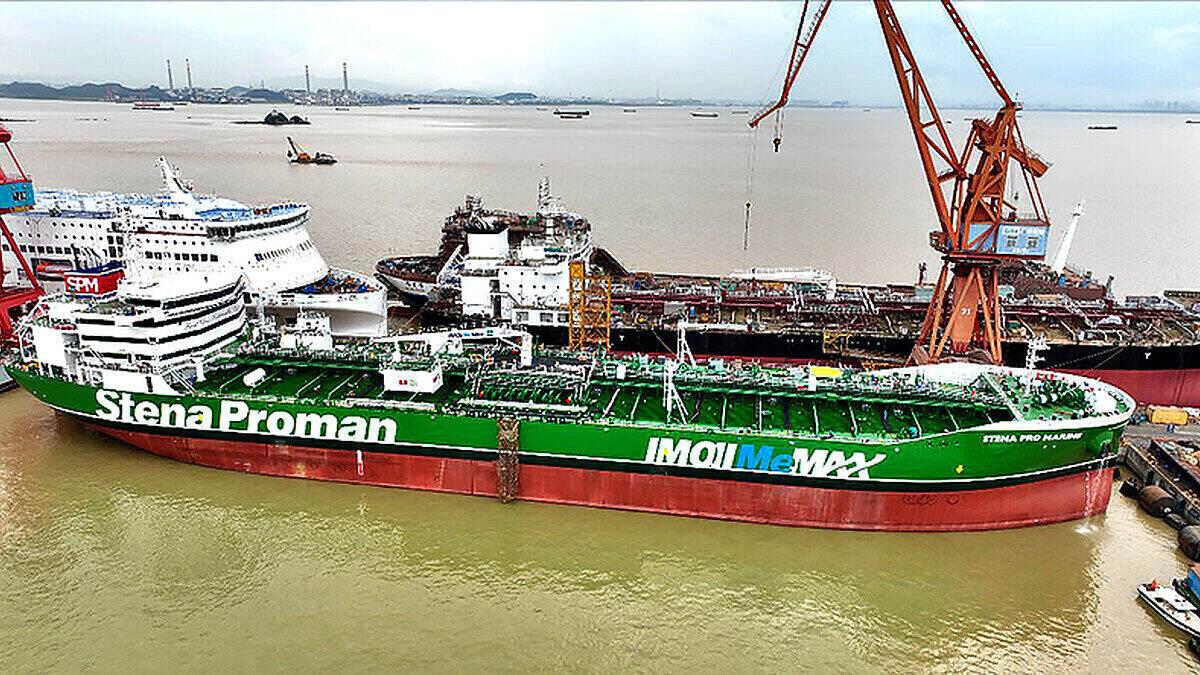
The Singapore methanol bunkering supply chain is expanding rapidly as the Maritime and Port Authority of Singapore (MPA) pairs commercial methanol licensing and Technical Reference TR 129 safety standards with record biofuel and LNG bunker sales. Container lines and bulk operators use Singapore's multi-fuel hub to meet the 2023 IMO GHG Strategy checkpoints.
- Biofuel Adoption Scale: MPA port data shows bio-blended marine fuels (bio-VLSFO and bio-HSFO) scaling past 1.35 million metric tonnes annually, alongside pure B100 biofuel deliveries.
- Methanol Operational Readiness: MPA established dedicated methanol supplier licensing and manages alternative fuel operations under Technical Reference TR 129.
- IMO 2030 Checkpoint: The 2023 IMO GHG Strategy targets at least a 20% (striving for 30%) emissions cut by 2030 versus 2008, with 5%–10% zero/near-zero fuel uptake.
- 2050 Net-Zero Target: International shipping is committed to reaching net-zero GHG emissions by or around 2050, with a 70%–80% interim reduction checkpoint in 2040.
MPA Bunker Volume Mix and TR 129 Methanol Standards
As the world's largest bunkering port, Singapore provides shipowners with transparent monthly fuel-mix telemetry through MPA port statistics. While conventional VLSFO and HSFO still dominate total tonnage, lower-carbon marine fuels have moved beyond isolated pilot trials into repeatable commercial schedules backed by standardized custody transfer rules under Singapore's national standards framework overseen with Enterprise Singapore.
- Bio-Blended Fuels: Bio-VLSFO and bio-HSFO sales surpassed 1.35 million metric tonnes annually, serving as immediate drop-in fuels for existing main engines without major vessel capex.
- LNG Bunkering: Liquefied natural gas bunker deliveries have expanded into hundreds of thousands of metric tonnes annually as dual-fuel container and bulk fleets enter service.
- Methanol Bunkering & Licensing: Following landmark ship-to-containership refueling milestones (such as Maersk dual-fuel vessel operations), MPA instituted formal methanol supplier licensing and Technical Reference TR 129 safety protocols.
- Emerging Alcohol & Ammonia Trials: MPA also oversees simultaneous operations (SIMOPS) trials for bioethanol and ammonia vectors to validate mass-flow metering and emergency shutoff hardware such as Alfa Laval fuel supply systems.
Custody Transfer, Mass-Flow Metering, and Terminal Logistics
Scaling methanol from one-off demonstration calls to routine commercial stems requires dedicated tank-farm segregation, vapor-return piping, and certified mass-flow meters on bunker barges. Under TR 129, Singapore standardizes emergency shutdown sequences, toxicity monitoring, and simultaneous cargo-and-bunkering safety zones so container ships do not lose berth turnaround time while lifting low-flashpoint fuels.
Energy procurement teams tracking Singapore's broader maritime and gas infrastructure can pair these bunker trends with our Singapore LNG Supply: Gas Routes, Capacity and Buyer Risks report. Facility operators supporting digitalized port logistics and regional cloud infrastructure can also review Singapore Digital Infrastructure Act: 3MW and 10MW Scope.
IMO GHG Strategy Checkpoints and Fuel Procurement Risk
Under the 2023 IMO Strategy on Reduction of GHG Emissions from Ships adopted at MEPC 80, fleet operators face escalating carbon-intensity pressure toward 2030, 2040, and 2050. Because methanol carries roughly half the volumetric energy density of conventional marine fuel oil, dual-fuel vessels require larger bunker tank allocations, higher refueling frequency, and tighter port-stay scheduling at Singapore anchorages.
Spot bunker price spreads between green methanol, bio-VLSFO, and conventional fuel fluctuate with feedstock availability and regional benchmarks such as Argus Media assessments, and official MPA statistics do not publish fixed contract prices. Shipowners therefore rely on long-term offtake agreements, green-premium cost-sharing clauses with cargo owners, and multi-port Green and Digital Shipping Corridor partnerships to secure certified low-lifecycle-GHG molecules.
Vessel Retrofits, Engine Compatibility, and Safety Zones
Unlike drop-in bio-VLSFO blends that burn cleanly in existing four-stroke and two-stroke marine diesel engines, methanol requires dedicated low-flashpoint fuel supply systems, double-walled piping, and upgraded fuel-injection valves. Shipowners ordering dual-fuel methanol newbuilds or scheduling dry-dock conversions must factor equipment lead times from marine engineering suppliers into their 2027–2030 fleet renewal budgets. At Singapore anchorages, MPA's TR 129 framework governs nitrogen purging, leak detection, and crew protective procedures so bunker barges and receiving containerships maintain strict safety margins during high-rate transfers.
Port infrastructure readiness also extends beyond physical barges to digital bunkering documentation. MPA's rollout of electronic bunker delivery notes (e-BDNs) paired with certified mass-flow metering reduces quantity disputes and gives charterers verifiable fuel-grade records for emissions audits.
In addition, terminal operators and bunker suppliers must coordinate renewable methanol sourcing across regional production hubs to avoid supply bottlenecks when multiple dual-fuel container vessels call at Singapore concurrently. Securing bonded storage tanks, dedicated barge schedules, and third-party sustainability certifications ensures lower-carbon fuel stems remain available without delaying mainline liner schedules along Asia-Europe and trans-Pacific trade lanes. Port authorities and classification societies continue refining crew training and bunkering checklists as methanol fleet orders expand.
Supply Chain Strategy for Maritime Fuel Buyers
Fleet operators running legacy single-fuel tonnage should prioritize bio-VLSFO and B100 blends in Singapore to capture immediate well-to-wake reductions without engine retrofits or dry-dock downtime. Carriers deploying dual-fuel methanol or LNG newbuilds should lock in licensed MPA suppliers certified under TR 129 early to guarantee mass-flow-metered berth availability as 2030 IMO compliance deadlines approach.
Cargo owners and institutional charterers negotiating multi-year Asia-Europe or trans-Pacific freight contracts should specify IMO lifecycle GHG accounting methods, fuel-origin audit criteria, and chain-of-custody documentation upfront so alternative bunker surcharges remain auditable, transparent, and commercially defensible across every voyage.
 Take the quizWhat Kind of Holiday Spender Are You? Take the Black Friday QuizStart →
- 1Stock Market Today: Dow Slides 1.34% and VIX Jumps 15% at Midday

- 2Joachim Klement to Sell Stocks After S&P 500 Signal
- 3Stock Market Today: Nasdaq, S&P 500 Futures Slide as AI Selloff Deepens

- 4Kenneth Walker’s Groin Injury Puts Cardinals Game in Doubt

- 5Pat Cummins Faces Captaincy Doubts From Mitchell Johnson

 Lifestyle · Food & HealthNormal Blood Pressure Chart by Age: Healthy Ranges Explained
 Lifestyle · Food & HealthWhat Is Raynaud’s Syndrome? Why Fingers Turn White in the Cold
 Lifestyle · Food & Health4 Ways Walking After Meals Helps Your Body, Doctors Say
 Lifestyle · Food & Health4 Reasons to Eat Oatmeal, According to Nutrition Experts