UK–EU summit: Britain rejoining remains on the table
Britain and the European Union agreed deals on youth mobility, food trade and carbon emissions at a Brussels summit. The agreements need parliamentary approval, while Prime Minister Andy Burnham has also raised the possibility of Britain eventually rejoining the bloc.
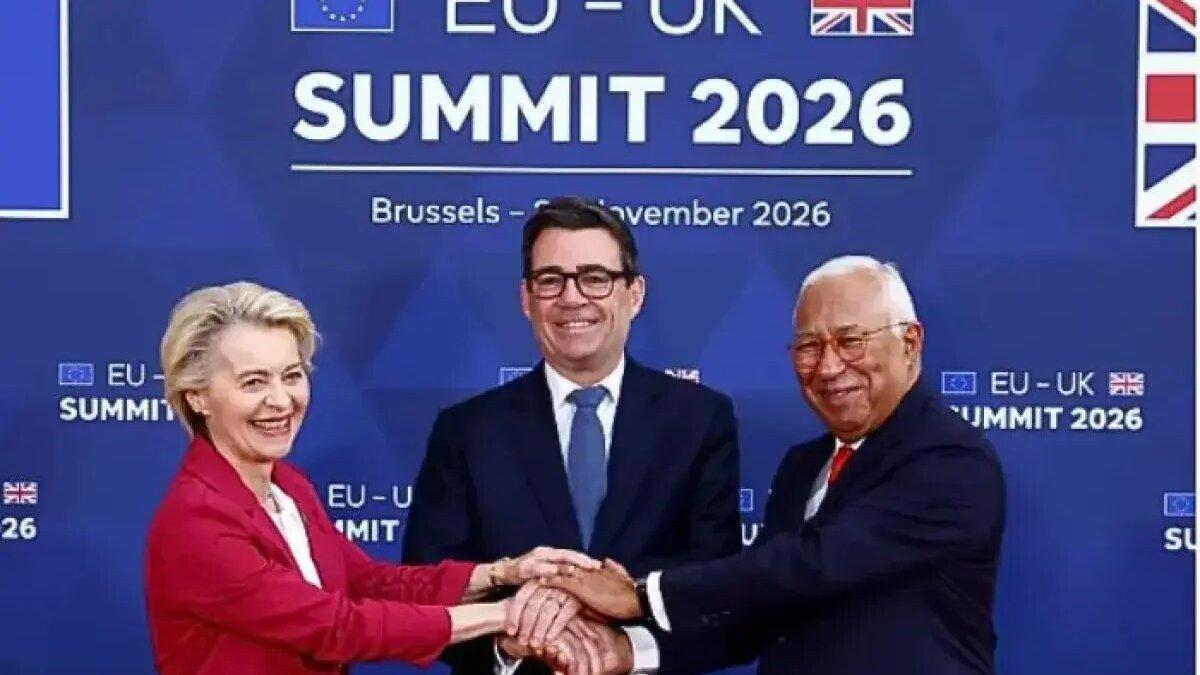
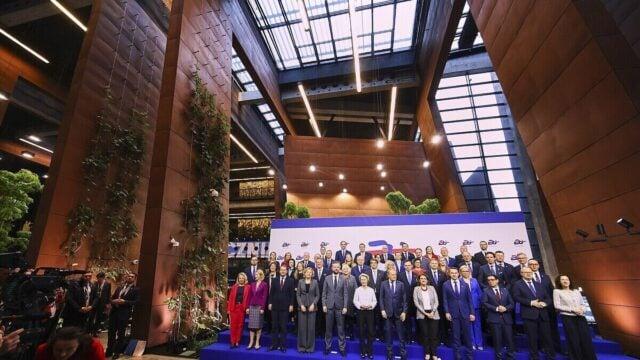
British Prime Minister Andy Burnham and European Union leaders agreed deals on youth mobility, food trade and carbon emissions at a Brussels summit. A key takeaway from the UK–EU summit is that Britain rejoining the bloc remains a possibility, even as the new agreements await parliamentary approval.
The deals could reduce border checks and create opportunities for young people to travel, work and study on both sides of the English Channel. They are expected to be in place by March 2028.
Burnham met European Commission President Ursula von der Leyen and European Council President António Costa at the summit. He said the agreements could add 0.5% to Britain’s gross domestic product, a measure of economic output.
The youth mobility deal would allow 100,000 Europeans under 32 to travel, work and study in Britain each year. The same number of Britons would receive those rights in Europe.
Tuition fees remain unresolved. Negotiators reached a provisional compromise that left the rate European students would pay in Britain for further talks within six months.
Britain had resisted an EU demand that those students pay the same tuition fees as domestic students. Negotiators had also considered significantly reduced international fees.
The food agreement would reduce paperwork and remove routine border checks for farmers and retailers exporting to Europe. A separate carbon deal would link the UK and EU emissions trading schemes, which regulate pollution through tradable allowances.
Britain had sought a voting role in some food-standard lawmaking, which France opposed. The UK instead agreed to be consulted on new food laws, though the details of its involvement remain unclear.
Some legislation linked to the agreements could reach the UK parliament as early as the week after the summit. The deals still require final approval from both the UK and EU parliaments.
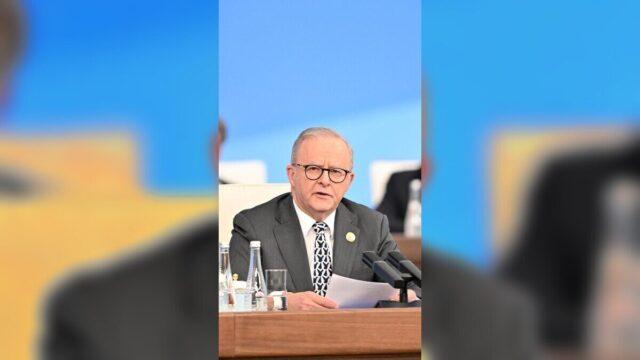
Burnham said Britain needed to consider its long-term relationship with the EU and planned informal discussions with European colleagues over the next year. At a news conference, he said most Britons wanted closer ties and described the period since the Brexit referendum as “a decade of drift.”
Reform UK leader and lawmaker Nigel Farage opposed closer alignment. He said Burnham had “no mandate whatsoever” to pursue it.
Conservative Party leader Kemi Badenoch has previously said rejoining the EU would not “solve all our problems.”
 Take the quizWhat Kind of Holiday Spender Are You? Take the Black Friday QuizStart →
- 1Stock Market Today: Dow Slides 1.34% and VIX Jumps 15% at Midday

- 2Joachim Klement to Sell Stocks After S&P 500 Signal
- 3Stock Market Today: Nasdaq, S&P 500 Futures Slide as AI Selloff Deepens
- 4Kenneth Walker’s Groin Injury Puts Cardinals Game in Doubt

- 5Pat Cummins Faces Captaincy Doubts From Mitchell Johnson

 Lifestyle · Food & HealthNormal Blood Pressure Chart by Age: Healthy Ranges Explained
 Lifestyle · Food & HealthWhat Is Raynaud’s Syndrome? Why Fingers Turn White in the Cold
 Lifestyle · Food & Health4 Ways Walking After Meals Helps Your Body, Doctors Say
 Lifestyle · Food & Health4 Reasons to Eat Oatmeal, According to Nutrition Experts