COP31 Talks Run Over Time as Draft Omits Fossil Fuels
Climate negotiations in Antalya, Turkey, ran past their scheduled finish as countries disputed a draft agreement that dropped references to fossil fuels. African ministers also demanded financing for developing countries, while European officials defended their contribution.
Nearly 200 countries took COP31 climate talks into overtime in Antalya, Turkey, after a draft agreement omitted fossil fuels. The debate also exposed divisions over funding for developing countries and the terms of a transition to cleaner energy.
The United Nations summit missed its scheduled finish after two weeks of negotiations. Brazil’s national secretary for climate change, Aloisio Lopes Pereira de Melo, said: “At this point, no one is happy.”
An earlier draft called for faster action to phase out coal, oil and gas. A shorter version dropped references to fossil fuels and weakened goals on electrification.
Eight countries called for a clear transition away from fossil fuels to be restored to an agreement. They also sought funding from polluting countries to help developing nations adapt to climate change.
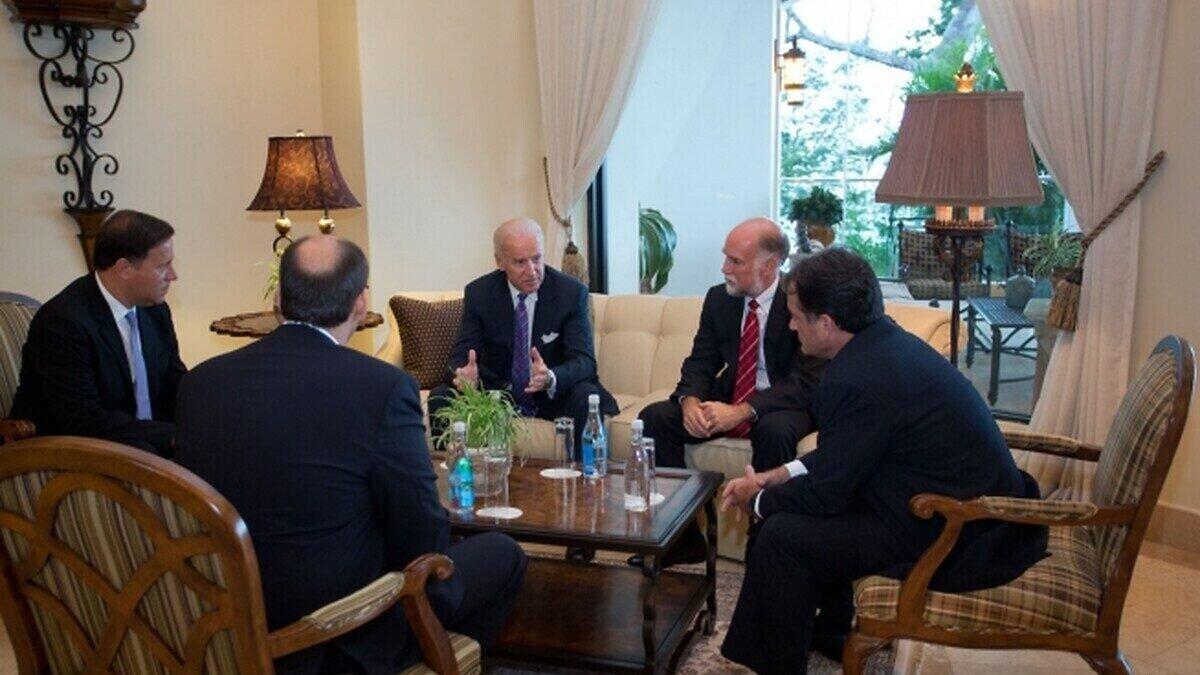
Panama’s climate minister, Juan Carlos Navarro, rejected a summit document that omitted fossil fuels. “We need to tell the truth and to speak clearly,” he said.
Panama sent an open letter to Australian climate change minister Chris Bowen, who is presiding over the negotiations. The letter listed demands Panama said were not negotiable.
Bowen said negotiators still wanted to reach an agreement despite their differences. “But no one has said to me, let’s give up and go home,” he said.
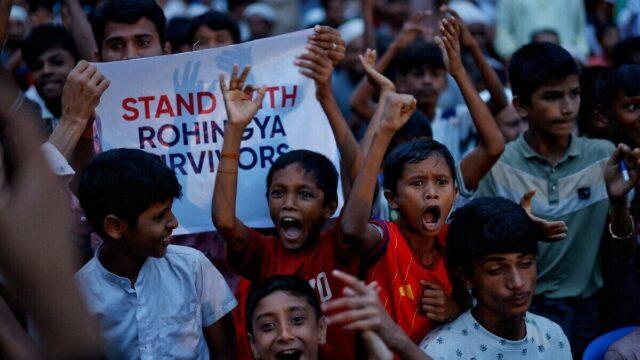
African ministers from Ghana, Zambia, Senegal, Kenya and Sierra Leone said their people were being asked to pay for a crisis they did not cause. They also accused rich countries of using carbon taxes to prevent African nations from using critical minerals to industrialize.
Zanetor Agyeman-Rawlings of Ghana, ministerial chair of the African group of negotiators, said the continent would not accept declarations without the resources to carry them out. “We didn’t come here to beg,” she said.
Climate finance was a key demand for African nations. Civil society observers accused richer countries, led by the European Union, of obstructing progress on funding.
A senior EU official said the bloc and its member states provided €32.3bn in public funds and mobilized €9.3bn in private finance in 2025 to support developing countries.
Civil society groups also objected to the failure to advance a mechanism agreed last year for a just transition. They wanted it to embed social, racial and economic justice in a low-carbon future.
 Take the quizWhat Kind of Holiday Spender Are You? Take the Black Friday QuizStart →
- 1Stock Market Today: Dow Slides 1.34% and VIX Jumps 15% at Midday

- 2Joachim Klement to Sell Stocks After S&P 500 Signal
- 3Stock Market Today: Nasdaq, S&P 500 Futures Slide as AI Selloff Deepens
- 4Kenneth Walker’s Groin Injury Puts Cardinals Game in Doubt

- 5Pat Cummins Faces Captaincy Doubts From Mitchell Johnson

 Lifestyle · Food & HealthNormal Blood Pressure Chart by Age: Healthy Ranges Explained
 Lifestyle · Food & HealthWhat Is Raynaud’s Syndrome? Why Fingers Turn White in the Cold
 Lifestyle · Food & Health4 Ways Walking After Meals Helps Your Body, Doctors Say
 Lifestyle · Food & Health4 Reasons to Eat Oatmeal, According to Nutrition Experts