Myanmar Criticizes Court’s Rohingya Genocide Ruling
Myanmar’s foreign ministry criticized an International Court of Justice ruling that held the state responsible for genocide against the Rohingya. The court ordered compensation and a safe return for displaced people, while Myanmar said repatriation would proceed when conditions permit.
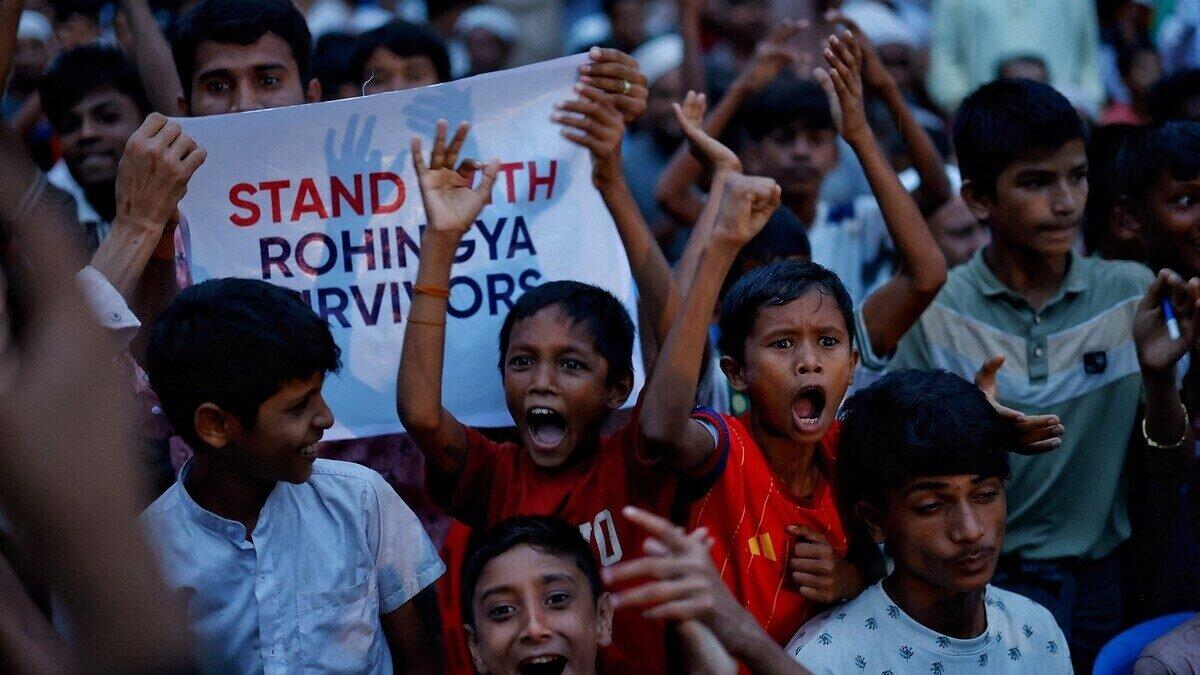
Myanmar criticized an international court’s ruling that its security forces committed genocide against the Rohingya, the foreign ministry said. The court ordered compensation and a safe return for displaced Rohingya, while Myanmar said refugee repatriation would proceed when conditions permit.
The ruling is final. The International Court of Justice has limited options to enforce it.
The United Nations’ top court found that Myanmar’s military killed Rohingya civilians and committed sexual violence on a large scale in Rakhine State in 2017. Judges also found that troops attacked fleeing people and unleashed extreme violence against children.
Myanmar’s foreign ministry called the finding “a great disappointment to Myanmar” and pointed to dissenting opinions among the judges.
The ministry disputed accounts of military actions presented by Gambia, which brought the case, and in reports referenced during the hearing. It said the operations responded to terrorist attacks and were not carried out with genocidal intent.
Court orders compensation and safe return
The court ruled that Myanmar must compensate Rohingya for violations, with the amount to be determined later. It also ordered Myanmar to allow the safe return of Rohingya displaced by its wrongful acts.
Judges found that military forces carried out mass executions of men and boys, raped Rohingya women and burned or razed hundreds of villages during clearance operations.
It was the first time the court held a state responsible for genocide. The court settles disputes between states and rules on alleged breaches of international treaties.
Myanmar has long described the Rohingya as illegal migrants from neighboring Bangladesh and denied them citizenship, although Rohingya families have lived in Myanmar for generations.
Security conditions delay refugee returns
Myanmar’s foreign ministry said it would continue humanitarian assistance and rehabilitation in northern Rakhine. It also said it would continue verifying and repatriating people in Bangladesh as conditions permit.
About 750,000 Rohingya fled the 2017 military crackdown and sought refuge in Bangladesh. The number of refugees in densely packed camps there has since risen to 1.2 million.
Multiple estimates indicate that about 1.1 million Rohingya lived in Myanmar before the exodus. Around 600,000 remain in Rakhine State, including 140,000 in displacement camps.
In August, Myanmar’s military-backed government said it had verified 308,797 people in Bangladesh’s camps as former Rakhine residents. It said repatriation would begin only when security conditions improve.
Myanmar has been in turmoil since the military ousted an elected government led by Nobel laureate Aung San Suu Kyi in 2021. The resulting civil war has brought fierce fighting to Rakhine, complicating possible returns.
 Take the quizWhat Kind of Holiday Spender Are You? Take the Black Friday QuizStart →
- 1Stock Market Today: Dow Slides 1.34% and VIX Jumps 15% at Midday

- 2Joachim Klement to Sell Stocks After S&P 500 Signal

- 3Stock Market Today: Nasdaq, S&P 500 Futures Slide as AI Selloff Deepens

- 4Kenneth Walker’s Groin Injury Puts Cardinals Game in Doubt

- 5Pat Cummins Faces Captaincy Doubts From Mitchell Johnson

 Lifestyle · Food & HealthNormal Blood Pressure Chart by Age: Healthy Ranges Explained
 Lifestyle · Food & HealthWhat Is Raynaud’s Syndrome? Why Fingers Turn White in the Cold
 Lifestyle · Food & Health4 Ways Walking After Meals Helps Your Body, Doctors Say
 Lifestyle · Food & Health4 Reasons to Eat Oatmeal, According to Nutrition Experts