France’s Sixth Consecutive Weekend of Protests Draws Fewer People
France’s Interior Ministry counted 82,500 protesters nationwide as students, unions and Yellow Vest supporters continued their campaign over living costs and public services. The turnout fell from 106,000 the previous weekend, while organizers estimated that 150,000 people took part.
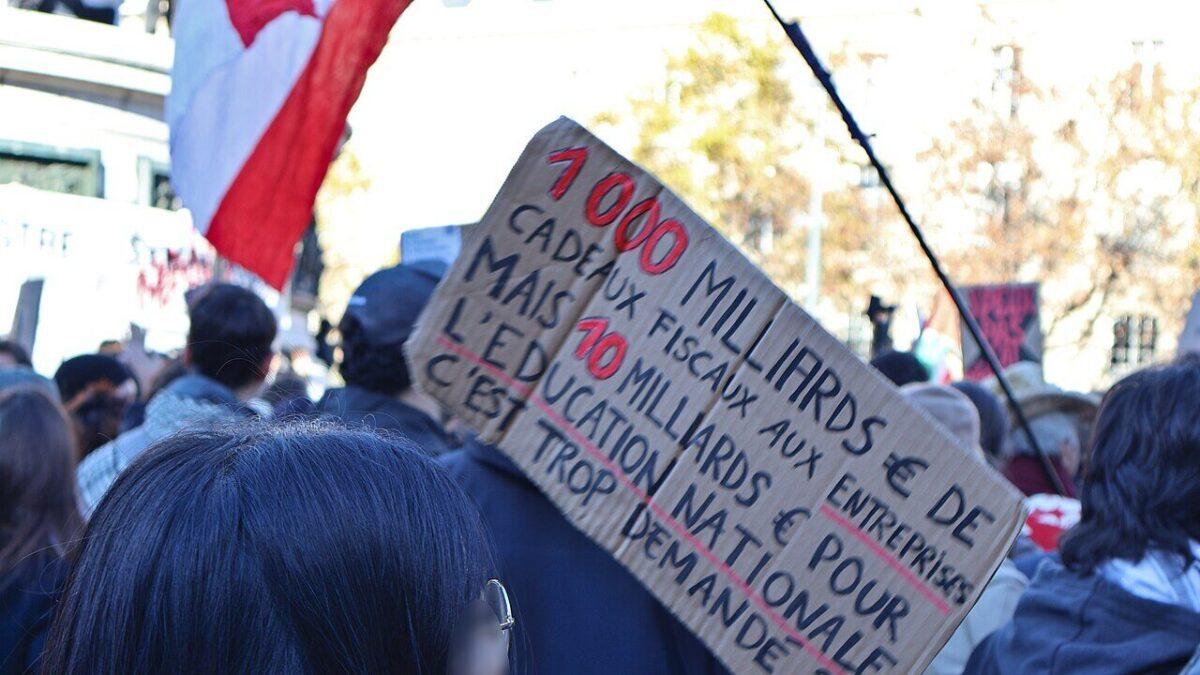
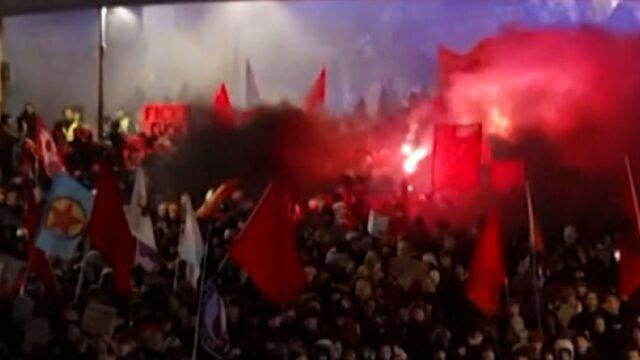
France’s sixth consecutive weekend of protests drew 82,500 people nationwide, the Interior Ministry said, as a campaign over schools broadened into demands on living costs, public services and police conduct. The demonstrations came alongside protests over economic pressures in other European countries.
Turnout fell from 106,000 the previous weekend. The ministry counted 21,500 demonstrators in Paris, while organizers estimated 150,000 participants nationwide.
Students and unions join forces
The protests began in mid-September, when secondary school students demanded better learning conditions and more resources. University students, trade unions and political organizations later joined them.
Yellow Vest supporters also took part. The movement emerged in 2018 over rising fuel prices and living costs.
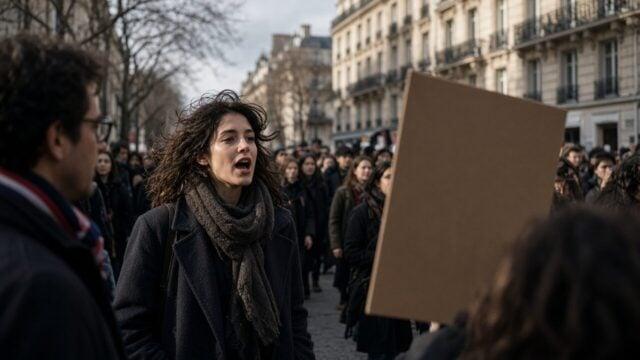
In Paris, several thousand demonstrators gathered at Place de la République. Student groups, unions and left-wing political parties displayed flags and banners alongside Yellow Vest supporters.
Some demonstrators called for more investment in education, healthcare and social protection. Others erected mock gravestones representing public services, including education and social security.
Manon Moret, general secretary of the Unef student union, said young people in several countries faced similar financial pressures.
“You have to choose between having a roof over your head, getting medical care, and being able to eat your fill,” Moret said.
Police law adds to grievances
Demonstrators also criticized police violence and a new law strengthening legal protections for officers who use firearms. The government and conservative lawmakers backed the measure, while the left criticized it.
Some earlier protests turned violent, with shops looted and buildings attacked or set alight. Police have also faced accusations of excessive force.
Interior Minister Laurent Nuñez instructed regional prefects to remain “particularly vigilant regarding the groups most hostile to law enforcement” after the legislation passed.
The Interior Ministry said the latest demonstrations began in a “generally calm” atmosphere.
Protests spread across Europe
In Portugal, thousands marched through Lisbon in heavy rain, calling for higher wages, affordable housing and relief from rising prices. The CGTP trade union federation organized the demonstration and demanded higher pensions and cheaper essential goods.
Property prices in Portugal have more than doubled since 2017. Average annual earnings in 2025 were 37 percent below the European Union average, according to its statistics agency, Eurostat.
In Germany, about 4,000 people gathered in Berlin. Organizers of an international youth strike said demonstrations were planned in at least 25 countries, with demands including education funding and climate action.
In Italy, a nationwide strike organized by the CGIL union disrupted transport, schools and some healthcare services. Union leader Maurizio Landini said more than one million people participated nationwide.
 Take the quizWhat Kind of Holiday Spender Are You? Take the Black Friday QuizStart →




 Markets · FintechHow to Calculate Compound Interest: Formula, Examples and the Rule of 72
 Lifestyle · Food & HealthNormal Blood Pressure Chart by Age: Healthy Ranges Explained
 Lifestyle · Food & HealthWhat Is Raynaud’s Syndrome? Why Fingers Turn White in the Cold
 Lifestyle · Food & Health4 Ways Walking After Meals Helps Your Body, Doctors Say