Macquarie Island Station Shutdown Adds 2 Minutes to Quake Detection
A seismic station on Macquarie Island has stopped operating after Australia withdrew its staff, adding an estimated two minutes to earthquake detection. Geoscience Australia says tsunami alerts should still meet required timeframes, while officials plan to restore power to the station.
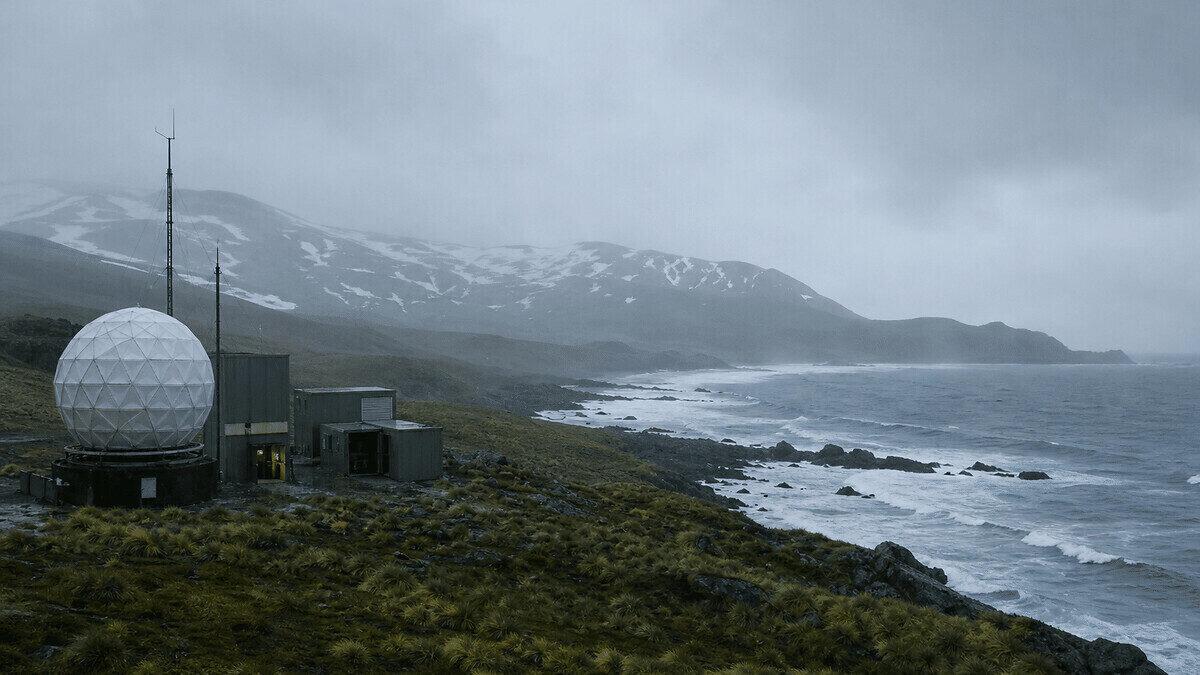
The shutdown of a seismic station on Macquarie Island has added an estimated two minutes to earthquake detection in the Southern Ocean, government documents show. The delay leaves emergency services less time to prepare for a potential tsunami along Australia's southeastern coast.
The station has no power. It stopped operating after personnel left the island in early October.
Earthquake detection in the region now takes an estimated 10 minutes, compared with eight minutes when the station was operating. The delay also affects alerts for potential tsunamis.
Geoscience Australia said detection south of Australia and New Zealand was expected to be “slower and less sensitive.” The agency said alerts were still expected within the required timeframe of 10 minutes after an earthquake.
Macquarie Island lies 1,500 kilometers southeast of Tasmania, near the boundary of the Pacific and Australian tectonic plates. Its observatory is one of more than 100 stations in the Australian National Seismograph Network.
Professor Hrvoje Tkalčić, a seismology and geophysics expert at the Australian National University, said the closure “leaves a major gap on that plate boundary, with the closest station more than 1,000 kilometres away.”
The US Geological Survey records at least nine earthquakes larger than magnitude 7.5 in the region since 1900. They include an 8.2-magnitude quake in 1989 and an 8.1-magnitude quake in 2004.
Both reportedly triggered minor tsunamis measuring between 15 and 30 centimeters when they reached Tasmania and parts of the southeastern mainland.
Bird flu fears prompted withdrawal
Australia's federal environment department decided in late August to withdraw personnel over concerns about a potential H5 bird flu outbreak. An Australian Antarctic Division briefing warned that staff could face psychosocial hazards while living among dead and dying baby elephant seals.
Several expeditioners opposed the withdrawal and said they were willing to stay. The division concluded the risks could not be reduced to an acceptable level.
The withdrawal also affected weather and wildlife observations and a system that detects nuclear explosions elsewhere in the world. The briefing said staff were not expected to return to live on the island before April or May 2028.
Fuel retrieval and station repairs planned
Geoscience Australia tried to automate the observatory during the October withdrawal. Strong winds prevented workers from safely installing the solar panels needed to power it.
The agency is working with the Australian Antarctic Division to return early next year and complete the work.
The Tasmania Parks and Wildlife Service raised concerns about the island's aging infrastructure. An official warned that damage to habitat, pollution of breeding colonies or disturbance to threatened species could breach conservation rules.
The Antarctic division said it worked with the service to reduce hazards before withdrawing. Staff boarded up windows, barricaded doors and drained fuel and oil from engines and equipment.
The division said it was preparing to send the RSV Nuyina to the island in March next year to retrieve 185,000 liters of diesel from the station's bulk fuel farm.
 Take the quizWhat Kind of Holiday Spender Are You? Take the Black Friday QuizStart →



 Markets · FintechHow to Calculate Compound Interest: Formula, Examples and the Rule of 72
 Lifestyle · Food & HealthNormal Blood Pressure Chart by Age: Healthy Ranges Explained
 Lifestyle · Food & HealthWhat Is Raynaud’s Syndrome? Why Fingers Turn White in the Cold
 Lifestyle · Food & Health4 Ways Walking After Meals Helps Your Body, Doctors Say