Australia Faces Fresh Divide Over Cricket and War Crimes
Cricket Australia has offered private talks over the 2018 ball-tampering scandal, while alleged war crimes in Afghanistan continue to divide politicians. The disputes have raised questions about accountability for players, soldiers and senior leaders, years after separate investigations examined both cases.
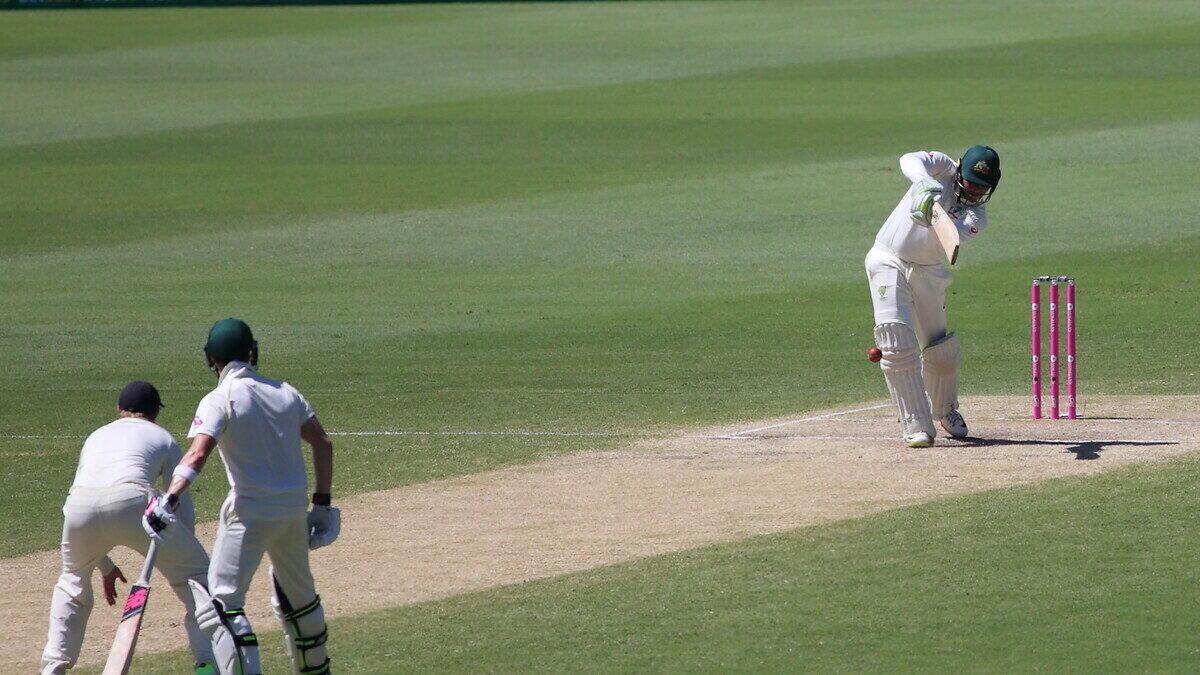
Australia is facing renewed debate over two scandals: the 2018 cricket ball-tampering affair and alleged war crimes in Afghanistan. The cases carry different stakes, but both have raised questions about who knew what happened and whether investigations held the right people accountable.
The cricket dispute has reopened. Cricket Australia has offered players involved in the scandal a private forum to speak, rather than reopening its original investigation.
Cricket Australia offers private talks
Former Australian player Usman Khawaja’s autobiography sparked renewed debate over the ball-tampering scandal. Khawaja questioned whether the private forum would help resolve the dispute.
“We want to move on. The question is: will this allow us to?” he asked.
Australia’s team tampered with the ball during a 2018 tour of South Africa. Cricket Australia’s investigation found that three players were responsible, against a backdrop of a win-at-all-costs mentality.
Cameron Bancroft received a nine-month ban. Captain Steve Smith and vice captain David Warner each received a one-year ban.
Cricket Australia adopted 36 of 42 recommendations from a review by the Ethics Centre. Questions have persisted over whether knowledge of the tampering extended beyond the three players.
Warner has called for the truth to emerge. Deputy Prime Minister Richard Marles praised current captain Pat Cummins as a great captain and representative of Australia.
Nationals lawmaker Michael McCormack, who was deputy prime minister in 2018, said: “It’s done. Move on.” Greens leader David Shoebridge has called for legal protections for whistleblowers in sport.
Afghanistan command faces scrutiny calls
A 2020 official report found evidence of 39 murders allegedly committed by Australia’s elite soldiers in Afghanistan. It found senior commanders bore moral, but not legal, responsibility for the alleged crimes.
Two relatively junior soldiers have been charged with war crimes. Both deny the charges.
Independent Senator Jacqui Lambie, an army veteran, has accused senior Defence officials of shifting responsibility onto soldiers. Shoebridge has also called for scrutiny of what higher commanders knew, or should have known, about alleged crimes by their subordinates.
Liberal frontbencher Andrew Hastie, a former elite soldier who served in Afghanistan, drew a connection between the cricket case and his military experience. Hastie has testified under subpoena in a defamation case brought by another soldier accused of war crimes.
Australia’s major parties have praised the Department of Defence for examining itself. In 2024, Marles formally closed the government’s response to the inquiry and said cultural reform of the SAS was “ongoing and enduring.”
 Take the quizWhat Kind of Holiday Spender Are You? Take the Black Friday QuizStart →




 Markets · FintechHow to Calculate Compound Interest: Formula, Examples and the Rule of 72
 Lifestyle · Food & HealthNormal Blood Pressure Chart by Age: Healthy Ranges Explained
 Lifestyle · Food & HealthWhat Is Raynaud’s Syndrome? Why Fingers Turn White in the Cold
 Lifestyle · Food & Health4 Ways Walking After Meals Helps Your Body, Doctors Say