Dietitians Say Five Juices May Support Healthy Cholesterol
Orange, prune, beet, tomato and tart cherry juices contain plant compounds linked to healthier cholesterol levels, dietitians say. They recommend choosing unsweetened, 100% juice and eating whole fruits and vegetables for fiber rather than relying on drinks alone.
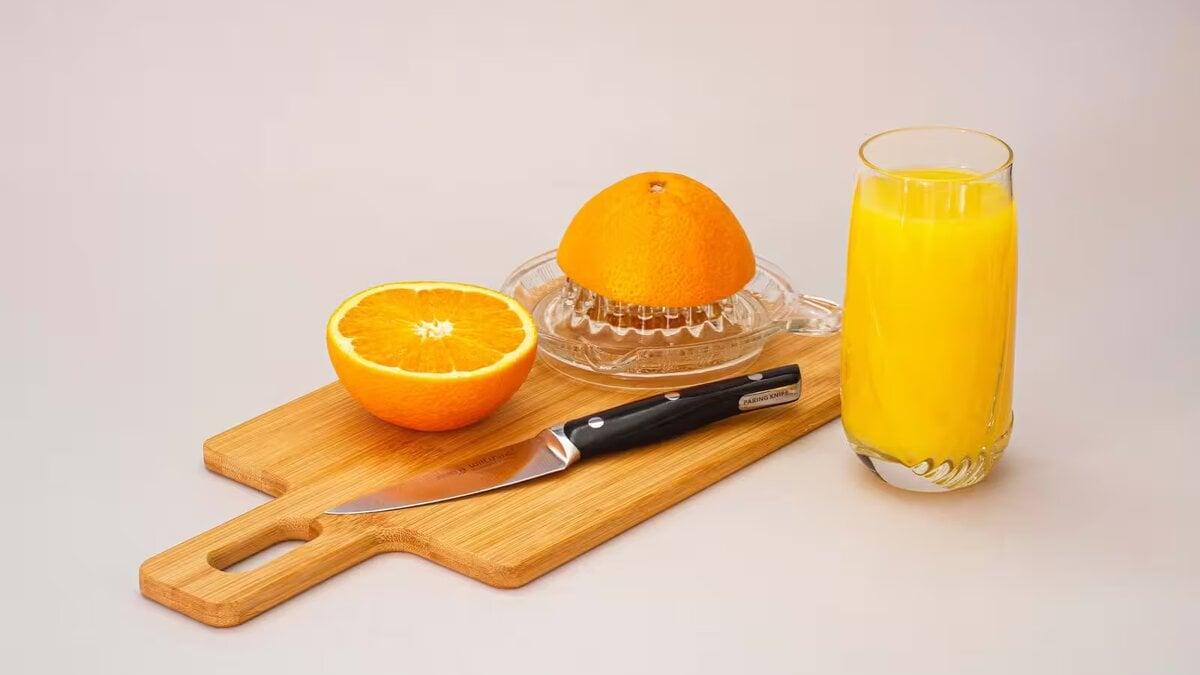
Dietitians say orange, prune, beet, tomato and tart cherry juices may help support healthy cholesterol levels. They recommend choosing 100% juice without added sugar and keeping whole fruits and vegetables in the diet for their fiber.
Juice is not a replacement for produce. The American Heart Association recommends four servings of fruit and five servings of vegetables per day as part of a heart-healthy diet.
“When someone is choosing a juice with cholesterol in mind, the two biggest things to look for are that it’s 100% juice and unsweetened,” dietitian Charlotte Martin said.
Orange and prune juices show promise
Dietitian Qula Madkin said some long-term studies suggest orange juice may lower total cholesterol and low-density lipoprotein, or LDL, cholesterol. The studies also suggest it may improve folate and vitamin C levels.
Orange juice contains plant compounds called flavonoids, including hesperidin, naringenin and eriodictyol. Some orange juices also have added plant sterols, which may help lower cholesterol.
Dietitian Maggie Moon said prune juice has helped lower LDL cholesterol in healthy people and people with high cholesterol. Research suggests it may help with total cholesterol, though it may not affect high-density lipoprotein, or HDL, cholesterol or triglycerides.
Prunes also contain iron, B vitamins, potassium and antioxidants. Dietitian Michelle Routhenstein suggested mixing a few ounces of prune juice with lemon.
Beet and tomato offer plant nutrients
Beet juice contains polyphenols, flavonoids, nitrates and betalains. Madkin said betanin, a plant nutrient in beetroot juice, may support healthier cholesterol by lowering LDL.
Routhenstein said natural nitrates in beet juice convert to nitric oxide, which relaxes blood vessels and supports healthy blood pressure. Madkin suggested adding beet juice to smoothies or hummus.
Tomato juice contains lycopene, an antioxidant studied for its potential to reduce LDL cholesterol, Martin said. She said processed tomato products, including juice, make lycopene more available to the body than raw tomatoes do.
Tomato juice also provides potassium. People watching their sodium intake can look for low-sodium or no-salt-added options.
Tart cherry and serving choices
Tart cherry juice contains anthocyanins and other polyphenols, which Martin said can help reduce oxidative stress and inflammation. Some research has linked the juice to higher HDL and lower LDL cholesterol.
Madkin cautioned that juice is easy to overdrink. She suggested pairing it with a balanced meal or snack containing protein, fiber and healthy fats where possible.
“Certain juices may play a supportive role, but overall eating patterns and lifestyle matter far more than any single drink,” Routhenstein said.
 Take the quizWhat Kind of Holiday Spender Are You? Take the Black Friday QuizStart →





 Markets · FintechHow to Calculate Compound Interest: Formula, Examples and the Rule of 72
 Lifestyle · Food & HealthNormal Blood Pressure Chart by Age: Healthy Ranges Explained
 Lifestyle · Food & HealthWhat Is Raynaud’s Syndrome? Why Fingers Turn White in the Cold
 Lifestyle · Food & Health4 Ways Walking After Meals Helps Your Body, Doctors Say