Author Paris Marx Calls Data Center Boom ‘Fundamentally Unsustainable’
Journalist Paris Marx, author of the new book Hyperscale, says data centers have become a political flashpoint because their costs are physical and local. He links the backlash to power bills, water use and noise, and sees wider anger at the tech industry.
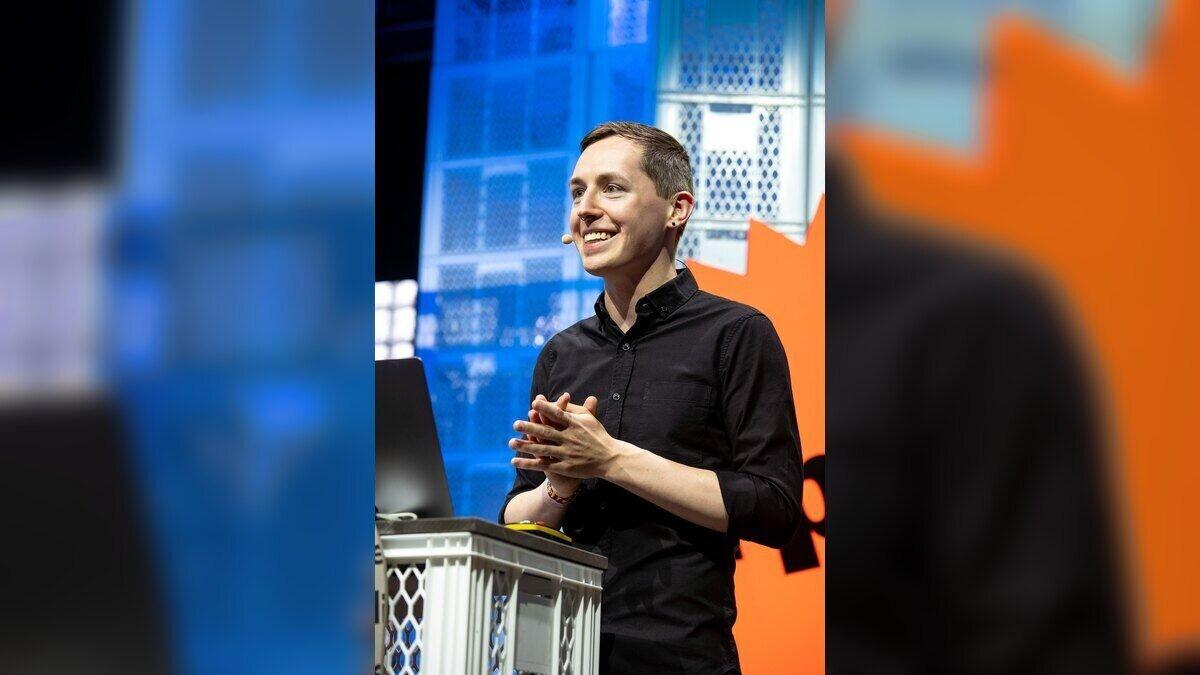
Journalist Paris Marx describes the data center buildout as "fundamentally unsustainable" and "completely out of line with a livable planet." He made the remarks in an interview about his new book, "Hyperscale," which examines the impact of data centers and generative AI.
The book arrives as data center backlash appears to have helped drive the blue wave in the recent midterm elections. Those debates are likely to continue as Democrats wield more governmental power.
Marx argues that data centers are an obvious target for broader anger at the tech industry. When one is built in your community, he said, "it's very physical, it's very material."
"It doesn't matter what side of the political spectrum that you're on," Marx said. He said residents feel the effects in their quality of life, their power bill, possibly their access to water, and in the noise from air conditioning units on data center roofs.
Opposition beyond data centers
Marx sees data center opposition as the most visible part of a wider movement. He pointed to resistance to Flock cameras across the United States, Meta's smart glasses and Waymo's self-driving cars.
Those products can be challenged more directly than software, he said. "You can delete an app on your phone, but what difference does that really make to the company?"
He said the issue crosses party lines. He noted that both Ron DeSantis and Bernie Sanders have opposed data centers.
Cases that drew him in
Marx said three stories convinced him the subject deserved a book. In Chile, communities around Santiago organized over water access as Google and Microsoft built data centers.
In Ireland, data centers now consume more than 20% of the country's electricity, he said. The grid operator put a moratorium on new data center grid connections around Dublin in 2022.
In The Dalles, Oregon, a journalist at The Oregonian asked how much water Google used. He was met with a lawsuit instead of an answer, Marx said. When the figure emerged about a year later, Google was using 29% of the city's water.
Company responses
Microsoft, Amazon and OpenAI have said they will stop using nondisclosure agreements in talks with local governments. Marx said that will not make a huge difference, though it should make information easier to get.
Companies are also offering to pay for more of the electricity infrastructure their data centers need, to ease pressure on ratepayers. They are promising different water-based cooling systems too. Marx said these shifts are a response to the opposition.
Getting inside a hyperscale facility was hard, he said. He visited one in New Zealand, where he had to send his passport in advance and every door required a key card. The server room, he said, was warm, loud and "quite utilitarian."
 Take the quizWhat Kind of Holiday Spender Are You? Take the Black Friday QuizStart →
- 1Stock Market Today: Dow, S&P 500 Futures Surge After Tech Rout as Oil Slides

- 2GTA 6 Metacritic User Score Falls Despite Near-Perfect Reviews

- 3Wests Tigers Allow Fainu Loan as Fogarty Talks Continue
- 4Nasdaq Falls Into Correction as Buffett’s Crash Advice Resurfaces

- 5Independent Experts to Review Eagles’ Treatment of Jalen Hurts

 LifestyleWhy Do Long Lines Make People Curious? 5 Reasons We Join the Crowd
 Technology · Apps & SoftwareHow to Secure a Home Wi-Fi Network: 7 Steps Cybersecurity Agencies Recommend
 Lifestyle · Food & HealthHigh Blood Pressure: Symptoms, Readings and 5 Ways to Lower It, Experts Say
 Lifestyle5 Subtle Signs You Still Feel Lonely Even in a Crowded Room