Democrats Revive Medicare for All After Midterm Wins
Several Democrats who ran on government-funded health coverage won Senate seats in the midterms. They now face the same splits that troubled past reform pushes, a veto threat from President Trump, and a Medicare trust fund projected to run short in 2033.
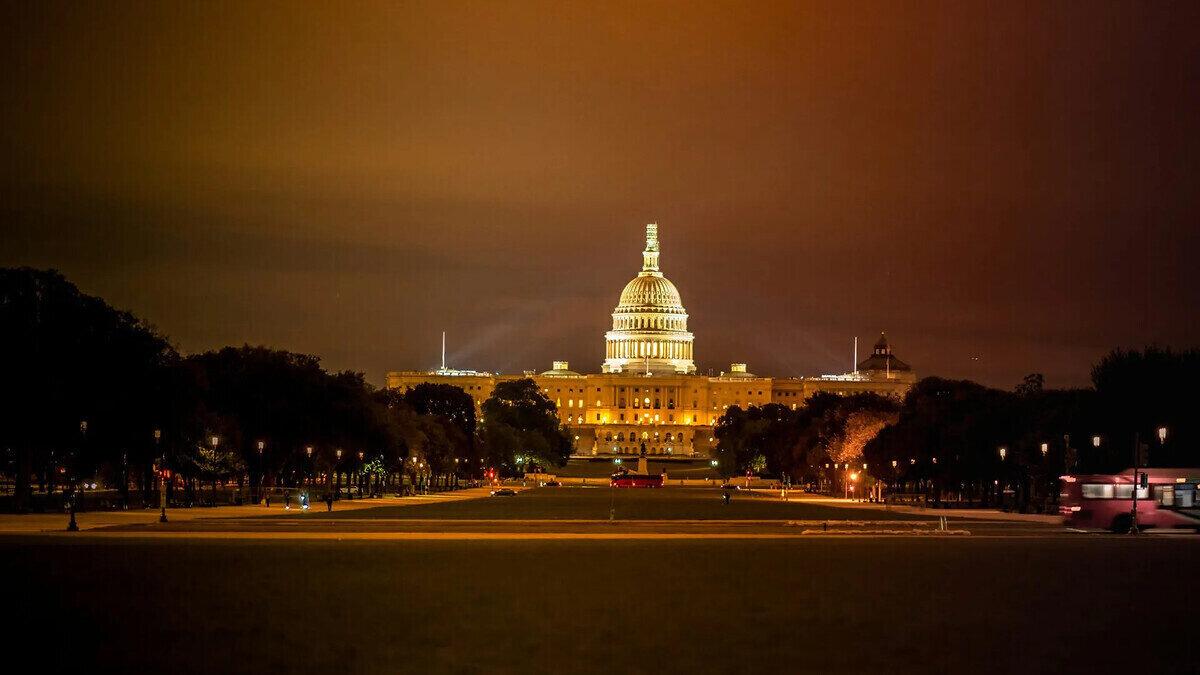
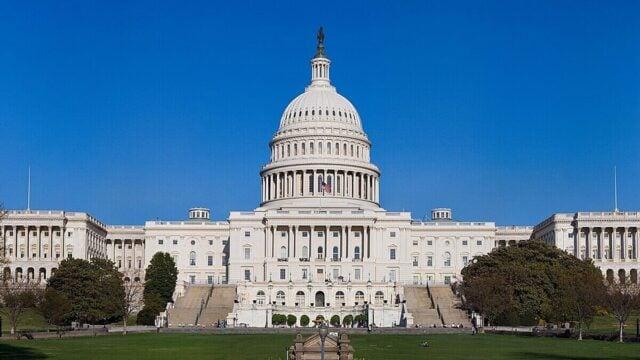
Democrats who campaigned on government-funded health coverage won Senate seats in Michigan, Maine, Iowa and Texas in the midterm elections. They say they will press the new Democratic majorities in the House and Senate to tackle healthcare costs, reviving the debate over "Medicare for All" and whether it can succeed this time.
Abdul El-Sayed declared victory in Michigan's Senate race on November 4, 2026. His campaign slogan was "Money out of politics, money in your pocket, Medicare for all."
History offers a warning. Democrats split over the scope of reform during the Clinton health effort in 1993-94. The Affordable Care Act barely passed in 2010 after similar disputes, and it made only incremental changes.
Support for the idea depends heavily on its description. "It's cosplay," said Nicholas Bagley, a University of Michigan law professor who writes about health policy. "When you say 'Medicare for All,' people think 'Healthcare — good. We should have more of it.'"
Mollyann Brodie, executive vice president and chief operating officer at KFF, a health policy nonprofit, said wording can swing polling sharply. She can lift approval to three-quarters by describing a guaranteed right to healthcare or lower costs. Mentioning higher taxes or a threat to current Medicare can push it into the 20s, she said.
KFF's September tracking poll found support at its highest since the group began asking regularly. A majority also said they would back the policy even if it eliminated private insurance, a first for the poll.
Money, vetoes and party divisions
Medicare itself is on shaky ground. The trust fund behind its hospital insurance is projected to become insolvent in 2033. Beneficiaries also face significant premiums, deductibles and coinsurance, and traditional Medicare does not cover dental, vision, hearing or long-term care.
Expanding benefits would be expensive and likely require large tax increases, according to most outside estimates.
Democrats must also choose a priority. They could reverse the Trump administration's cuts to Medicaid and Affordable Care Act plans, or aim to expand coverage and lower costs more broadly.
"Expectations are super high among voters right now, and they are demanding action on healthcare costs," Brodie said.
Party leaders appear to be listening. A day before being officially nominated as House speaker, Rep. Hakeem Jeffries of New York voiced support for expanding government-funded coverage, including lowering the Medicare eligibility age and covering all children.
President Donald Trump has called Medicare for All "a socialist takeover of our healthcare system." He is expected to veto such efforts, and the new Democratic majorities are not large enough to override him.
The larger majority is also more ideologically mixed. It will include more progressives, along with more moderates from swing districts now held by Republicans. Industry opposition could also erode public support once a counter-campaign begins.
 Take the quizWhat Kind of Holiday Spender Are You? Take the Black Friday QuizStart →
- 1Nasdaq Falls Into Correction as Buffett’s Crash Advice Resurfaces

- 2Stock Market Today: Dow, S&P 500 Futures Surge After Tech Rout as Oil Slides

- 3GTA 6 Metacritic User Score Falls Despite Near-Perfect Reviews

- 4Wests Tigers Allow Fainu Loan as Fogarty Talks Continue

- 5Independent Experts to Review Eagles’ Treatment of Jalen Hurts

 LifestyleWhy Do Long Lines Make People Curious? 5 Reasons We Join the Crowd
 Technology · Apps & SoftwareHow to Secure a Home Wi-Fi Network: 7 Steps Cybersecurity Agencies Recommend
 Lifestyle · Food & HealthHigh Blood Pressure: Symptoms, Readings and 5 Ways to Lower It, Experts Say
 Lifestyle5 Subtle Signs You Still Feel Lonely Even in a Crowded Room