Brent Crude Climbs to Around $96 After Middle East Attacks
Brent crude futures for January delivery climbed to around $96 a barrel as renewed attacks in the Middle East interrupted oil’s recent decline. Strikes hit Saudi refineries and a Kuwaiti military site, while tanker attacks continued in the Strait of Hormuz. Iran denied responsibility for the Kuwait attack.
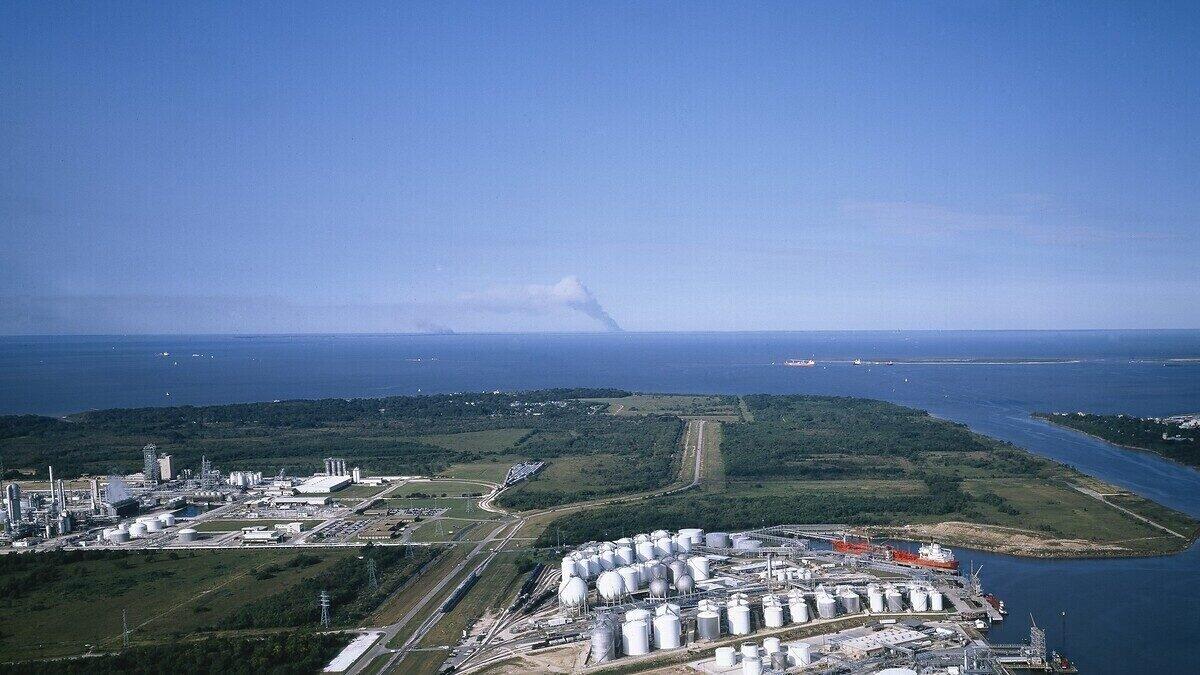
Brent crude futures for January delivery climbed to around $96 a barrel after a fresh wave of attacks in the Middle East. The price of oil had fallen below $90 earlier in the week, but the global benchmark was heading for its first weekly gain of the month.
Brent rose around 3.5% for the week. US-traded West Texas Intermediate futures also climbed, rising 1% to around $84.50 a barrel.
Prices remained well below the near $120 a barrel reached at points during the war with Iran. They had fallen for weeks, partly because US President Donald Trump held back from escalating military action in the Middle East after the midterm elections.
Oil flows from the region had also picked up despite tanker attacks, while global oil consumption had fallen dramatically.
Attacks Hit Saudi Oil Facilities
Yemen’s Houthi rebels claimed to have struck Saudi Arabia’s biggest oil refinery at Ras Tanura. A projectile hit another refinery in the southwestern Jazan region the following day, killing a Nepalese worker.
The Jazan strike sparked a fire and temporarily suspended some operations, Saudi Arabia’s Ministry of Energy said.
A suspected Iranian drone attack on a Kuwaiti military site killed two Italian nationals, Italy’s Foreign Minister Antonio Tajani said. The two were technicians employed by defense firm Rheinmetall Italia.
A Kuwaiti national and a Pakistani national were also wounded, Kuwait’s defense ministry said. Iran denied carrying out the attack.
A skyscraper housing the headquarters of Saudi Arabia’s sovereign wealth fund was hit in Riyadh for the second time in a matter of days. The strike wounded 11 people, according to an eyewitness and Saudi authorities.
Strait Traffic Falls as Tankers Attacked
Iran has continued to strike tankers transiting the Strait of Hormuz. Oil flows through the strait were at 55% of their pre-war level in the week to November 25, preliminary data from Kpler showed.
The front-month Brent contract differs from the continuous Brent contract, which traded around $92. The front-month contract is more closely tied to the physical oil market.
Its higher price points to stronger demand for near-term crude supplies as refiners work to secure barrels.
“These attacks remind us of the inherent instability of the status quo, as a lasting peace deal between the US and Iran remains elusive,” said Kathleen Brooks, research director at online broker XTB.
Oil Producers Consider Output Quotas
The Organization of the Petroleum Exporting Countries and its allies, known as OPEC+, are set to meet to consider production quotas. The group has held output steady since September, following six consecutive increases.
“The group is expected to consider keeping current production quotas unchanged through January, although some members have been pushing for higher quotas,” ING analysts said.
 Take the quizWhat Kind of Holiday Spender Are You? Take the Black Friday QuizStart →
- 1Qualcomm stock climbs to $168.66 as chipmaker sets $500 target for CEO

- 2Apple shares edge up to $355.58 as AI selloff spares iPhone maker

- 3Lloyds shares rise 2.76% to 96.18p in biggest gain since Nov. 4

- 4George Pickens Faces $32.8 Million Cowboys Tag Decision

- 5Tesco shares edge higher as Barclays lifts target to 600p

 Lifestyle · Food & HealthNormal Blood Sugar Levels: A1C, Fasting and After-Meal Ranges Explained
 Lifestyle · Food & HealthNorovirus Symptoms: How Long It Lasts and When You Stop Being Contagious
 Lifestyle · Food & HealthCold vs Flu vs RSV: How to Tell the Difference by Symptoms, Speed and Duration
 LifestyleWhy Do Long Lines Make People Curious? 5 Reasons We Join the Crowd