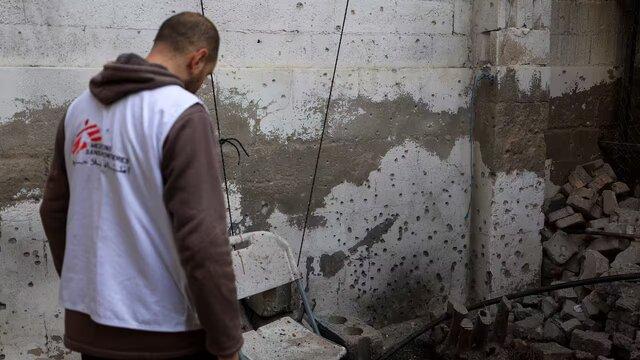
Nepal Draws More US Visitors After Deadly Inundación
US arrivals in Nepal rose 31% in October, helping lift foreign visitor numbers after an August flood killed more than 1,500 people. Tourism businesses near the disaster site are recovering more slowly, while officials work to reduce risks from glacial lakes.
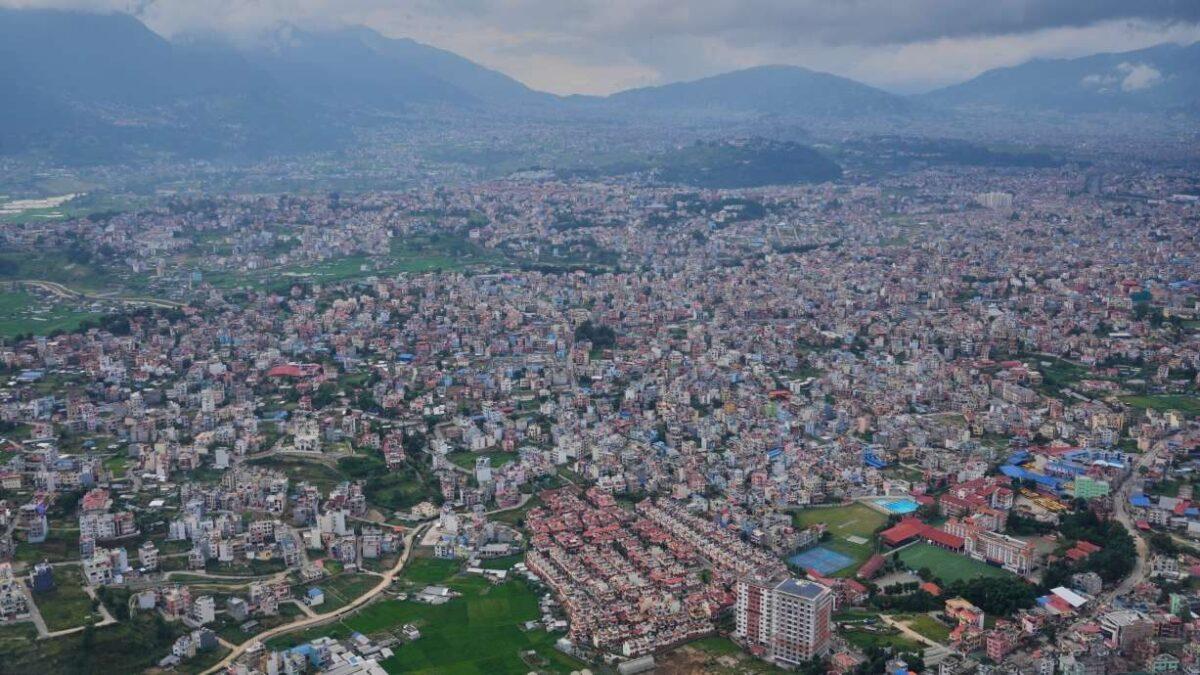
US tourist arrivals in Nepal rose 31% in October after an August inundación killed more than 1,500 people, official figures showed. The increase helped offset a decline in visitors from India, as total foreign arrivals rose slightly from the same month a year earlier.
The flood followed a partial glacier collapse at Langtang Lirung, near Nepal's northern border. Another 5,000 people are presumed dead but remain officially listed as missing across Nepal and Tibet.
Officials had feared a collapse in tourism after the disaster. The industry supports many communities and brings in foreign currency that helps Nepal trade.
Mani Lamichhanne, a senior director at Nepal's tourism board, said 2026 appeared likely to bring the country's highest tourist total.
The tourism office urged Western visitors not to cancel their trips in the weeks after the flood. Mountain guides and Nepalis living abroad also encouraged visitors to come and spend money.
At the village of Langtang, recovery has been slower. The village escaped the floodwaters because it lies on the other side of the mountain, about 11 kilometers from where the ice gave way.
Foreign hikers who stay overnight along the Langtang valley trail provide a vital source of income for the village. The trail closed for two months after the flood.
Pasang Tamang, owner of the Sunrise guesthouse, said residents had worried about losing income and having food supplies cut off.
His guesthouse can accommodate 30 people. Tamang estimated that it was receiving five, 10 or at most 15 guests a night, most of them Nepali.
Some of Tamang's friends who survived the flood are still searching for missing loved ones. He said they hope to find their bodies.
In the Everest region, official figures showed no significant change in visitor numbers at the national park during the season. Café Himalaya owner Tsering Palzaur Sherpa said his business was as busy as in previous years.
The café is in Dingboche, where hikers commonly spend two nights adjusting to the altitude on their way to Everest base camp.
Sherpa said local people had expected more foreign visitors to divert to the region. Popular routes to the west, including the Annapurna and Manaslu circuits, had closed for months.
Archana Shrestha, a Nepali meteorological official, said warning sirens in the valley were being repaired one by one after concerns that some were not working properly.
A drainage channel at Imja lowered the lake's level by 3.4 meters, reducing the risk. Officials said the lake could not be considered completely safe.
Four other glacial lakes have been identified among those at greatest risk. A US$50 million project will monitor and lower water levels at Thulagi, Hongu 2, Lower Barun and Lumding Tsho.
 Take the quizWhat Kind of Holiday Spender Are You? Take the Black Friday QuizStart →
- 1Sandisk shares jump nearly 16% to $85.36 after Kioxia-Nvidia test

- 2Tyreek Hill Still Not Cleared to Play After Knee Injury

- 3Magnitude 5 earthquake hits Los Angeles area

- 4Sainsbury’s wrongly bans woman after facial recognition alert

- 5Full Retirement Age Chart: Social Security Ages by Birth Year Explained

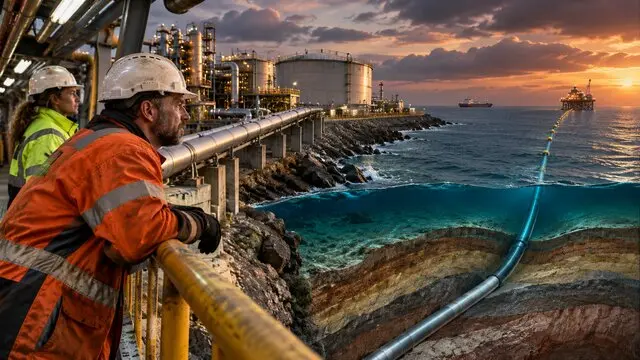 Business · EnergyCarbon Capture and Storage Technologies: How the Three Main Methods Work
 Lifestyle5 Ways to Help Your Dog Feel Comfortable When Guests Visit
 World · United StatesHow to Apply for a Passport Online: What First-Time US Applicants Need to Know
 Markets · FintechU.S. Bank Cash Flow Manager: How Its Business Line of Credit Works