The perfect storm behind Congo’s deadliest Ebola outbreak
More than 11,000 infections and 5,300 deaths have been recorded in Congo's Bundibugyo-strain epidemic, which has spread to eight provinces and three other African countries. Armed violence and an untreatable virus strain are hampering the response.
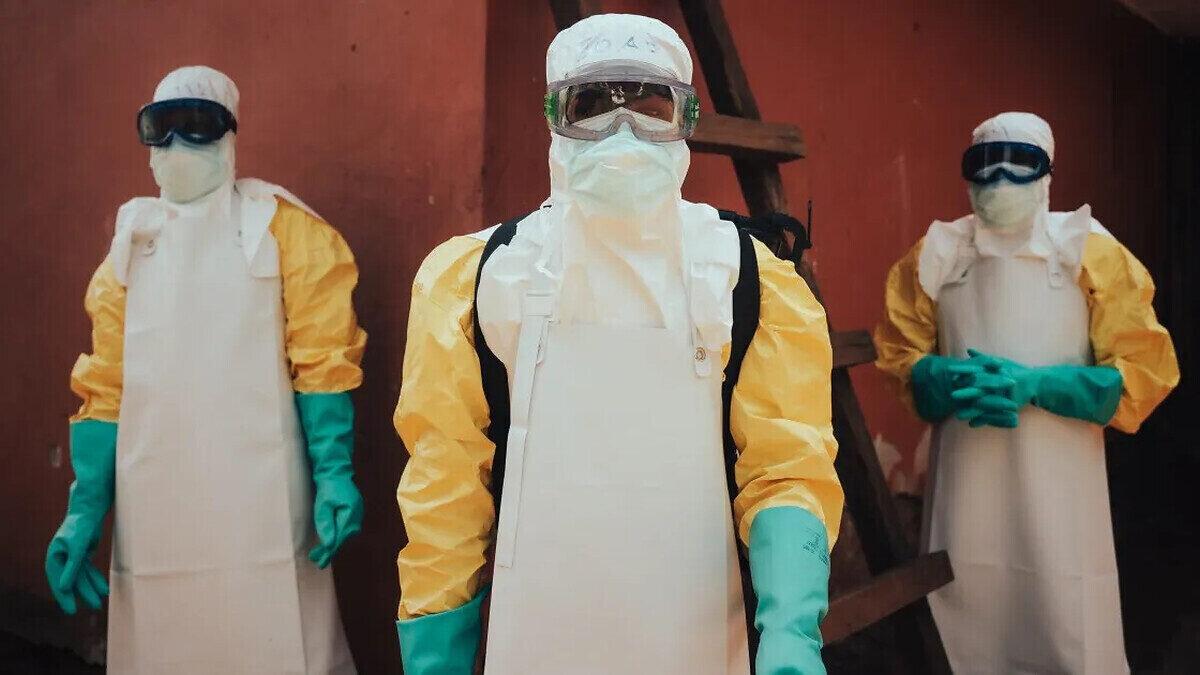
The Ebola epidemic in the Democratic Republic of Congo has recorded more than 11,000 infections and 5,300 deaths, meaning nearly half of those infected have died. It is the largest and deadliest Ebola outbreak in the country's history and the second worst worldwide.
Only the 2014-2016 epidemic in West Africa was worse, claiming more than 11,000 lives, according to the World Health Organization.
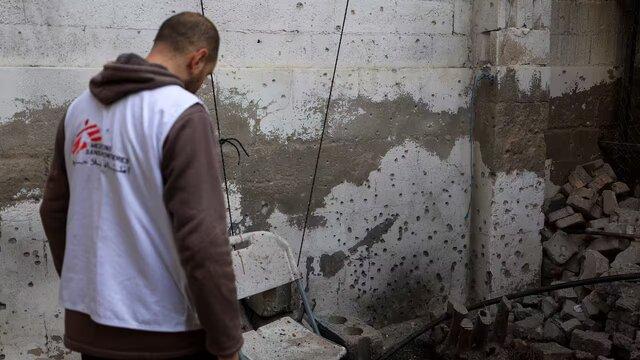
Medecins Sans Frontieres (MSF) reported on November 12 that nearly two-thirds of Ebola-related deaths over the previous month occurred in communities, not treatment centers. That means surveillance teams are missing most infections, as people die at home among relatives and pass the virus on.
A rare strain with no approved vaccine
The outbreak is caused by Bundibugyo virus, a rare strain for which no approved vaccine or treatment exists. Approved tools cover only the Zaire strain.
Clinical trials have begun using Ervebo, a vaccine proven against Zaire Ebola, while researchers work to develop one specific to Bundibugyo.
The outbreak was first detected in May in Ituri province. Experts believe the virus may have circulated there since February, undetected for months.
It has since reached eight of Congo's 26 provinces. Cases have also been reported in Uganda, Kenya and Nigeria, making this the most geographically widespread Ebola outbreak in Africa's history, according to Africa CDC Director-General Jean Kaseya.
War in the east disrupts tracking
On November 6, armed men raided the village of Cantine in North Kivu province, about 50km west of Beni. Authorities and civil society groups said at least 33 people were killed and more than 50 houses burned.
The attackers also started a fire near a health post, forcing around 180 patients to flee. They included numerous suspected Ebola cases and at least one confirmed case. Local authorities blamed the Allied Democratic Forces, an ISIL (ISIS)-affiliated group.
Ituri, North Kivu and South Kivu are home to roughly 100 armed groups. More than five million people are displaced across the three provinces, and in rural areas little of the state remains.
"The people here live in poverty and insecurity; every day is a struggle to survive," said Congolese physician Alex Bonane Murutsi, who works at the Ebola treatment center in Bunia.
The human cost shows up inside the wards. On July 21, Belgian MSF doctor Emily Vandamme faced four emergencies at once in the suspect ward in Bunia. A new mother bled to death. A 17-month-old boy, Bahati Prince, recovered enough to sit up before dying days later, likely from a sudden drop in blood sugar.
"Ebola is horrifically ruthless," Vandamme said.
 Take the quizWhat Kind of Holiday Spender Are You? Take the Black Friday QuizStart →
- 1Tyreek Hill Still Not Cleared to Play After Knee Injury

- 2Sandisk shares jump nearly 16% to $85.36 after Kioxia-Nvidia test

- 3Magnitude 5 earthquake hits Los Angeles area

- 4Full Retirement Age Chart: Social Security Ages by Birth Year Explained

- 5Sainsbury’s wrongly bans woman after facial recognition alert