Winter Weather Advisory: What It Means and Where Alerts Are Active Now
A winter weather advisory is the weather service's lowest winter alert. Here's what it means and where advisories, watches and warnings are active.
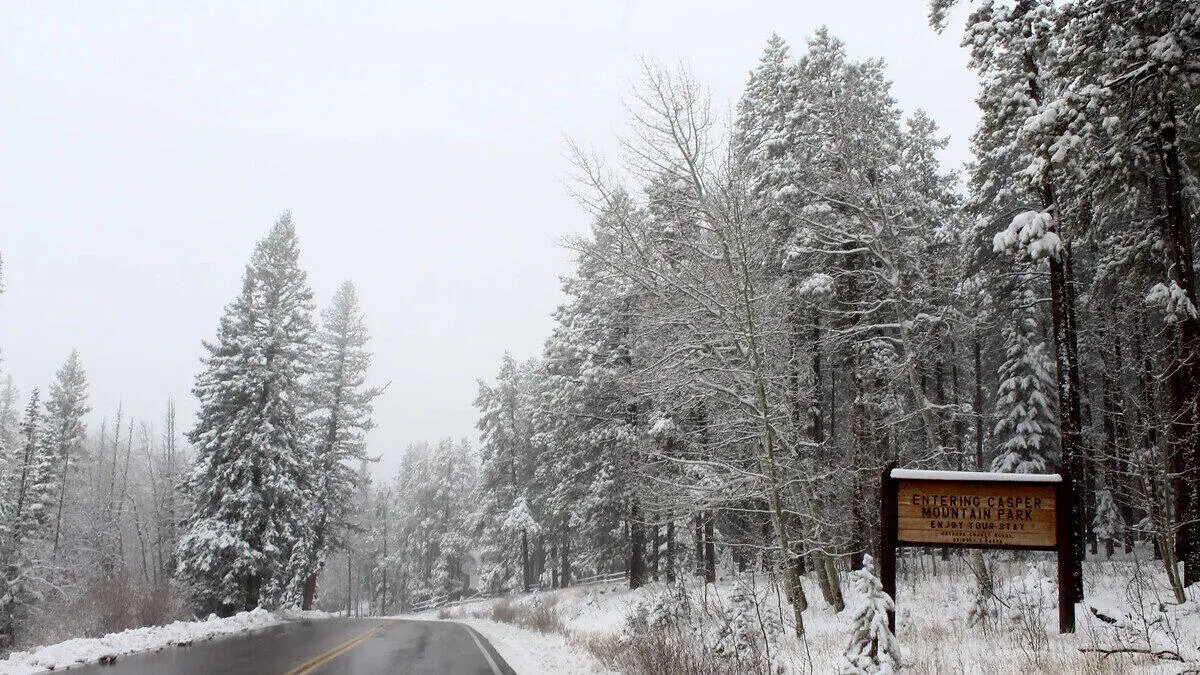
A winter weather advisory is the National Weather Service's lowest level of winter alert, but it still signals snow, ice or blowing snow that can make travel slow and slippery. As of Sunday, November 29, only one winter weather advisory was active in the United States, in Alaska's Pribilof Islands, while stronger winter storm alerts covered western Alaska and the mountains outside Las Vegas.
What is a winter weather advisory?
The National Weather Service issues a winter weather advisory when snow, blowing snow, ice, sleet or a mix of these is expected, but conditions are not expected to be severe enough to meet warning criteria. The agency's message is simple: be prepared for winter driving conditions and possible travel difficulties, and use caution on the road.
Each local forecast office sets its own thresholds. A few inches of snow can trigger an advisory in a region that rarely sees it, while areas used to heavy snow need much more before an alert is issued.
Advisory vs. watch vs. warning
- Winter weather advisory (be aware): wintry weather is expected, but below warning levels. Expect slick roads and slower travel.
- Winter storm watch (be prepared): conditions are favorable for a significant winter storm, such as heavy snow, heavy sleet or ice.
- Winter storm warning (take action): a significant winter weather event is expected or occurring. Travel may become difficult or impossible, and forecasters advise delaying trips.
- Blizzard warning: frequent gusts of 35 mph or more with falling or blowing snow, cutting visibility to less than a quarter mile for three hours or more.
- Ice storm warning: usually issued for about a quarter inch of ice or more, enough to snap power lines and bring down tree branches.
Where winter alerts are active now
Pribilof Islands, Alaska: The weather service in Anchorage put the islands under a winter weather advisory from noon to midnight local time Sunday. Forecasters expected snow with wind gusts as high as 70 mph, cutting visibility to half a mile or less in blowing snow. The winds could also damage power lines. Conditions were expected to improve once snow changed to rain overnight.
Western Alaska: A winter storm warning covers the Bering Strait Coast, Diomede and the Seward Peninsula from midnight Sunday night until 6 a.m. Tuesday, with 2 to 4 inches of snow and gusts up to 55 mph. A second warning for the Lower Yukon River, the Lower Yukon and Innoko valleys and the Yukon Delta Coast runs from 6 a.m. Monday to 6 a.m. Tuesday, with 2 to 4 inches near the coast and 5 to 8 inches near the Nulato Hills. Roads, bridges and overpasses were expected to turn slick.
Farther south, a winter storm watch for the Kuskokwim Delta Coast, Nunivak Island, the Western Capes and the Northern Bristol Bay Coast warns of up to 4 inches of snow and gusts as high as 65 mph from late Sunday night through Monday afternoon.
Mountains near Las Vegas: The weather service in Las Vegas issued a winter storm watch for the Spring Mountains and the Sheep Range from late Monday night through Wednesday afternoon. Forecasters said 10 to 18 inches of heavy snow is possible above 9,000 feet in the Spring Mountains, with 4 to 10 inches above 8,000 feet and up to 4 inches above 7,000 feet. The storm could make travel very difficult to impossible and affect the Tuesday and Wednesday commutes, with the heaviest snow expected on Tuesday.
How to prepare when an advisory is issued
- Check the forecast and alerts from your local weather service office before you leave.
- Slow down and leave extra stopping distance, especially on bridges and overpasses, which freeze first.
- Expect delays and allow extra travel time.
- Keep a winter kit in the car with a scraper, blanket, phone charger, water and snacks.
- If a watch is upgraded to a warning, consider delaying travel until conditions improve.
Alerts can change quickly as storms develop, so the weather service's local office remains the best source for the latest advisories in your area.
 Take the quizWhat Kind of Holiday Spender Are You? Take the Black Friday QuizStart →
- 1Tyreek Hill Still Not Cleared to Play After Knee Injury

- 2Sandisk shares jump nearly 16% to $85.36 after Kioxia-Nvidia test

- 3Magnitude 5 earthquake hits Los Angeles area

- 4Full Retirement Age Chart: Social Security Ages by Birth Year Explained

- 5Sainsbury’s wrongly bans woman after facial recognition alert