‘That’s when the chaos began’: The fall of the Berlin Wall in the words of East and West Germans
Interviews with 26 Germans born in 1975 reveal sharply different memories of reunification. East German participants described upheaval, new opportunities and family job losses, while West German participants said their own lives had not changed. The accounts come as polling shows a divide in support for Alternative für Deutschland.
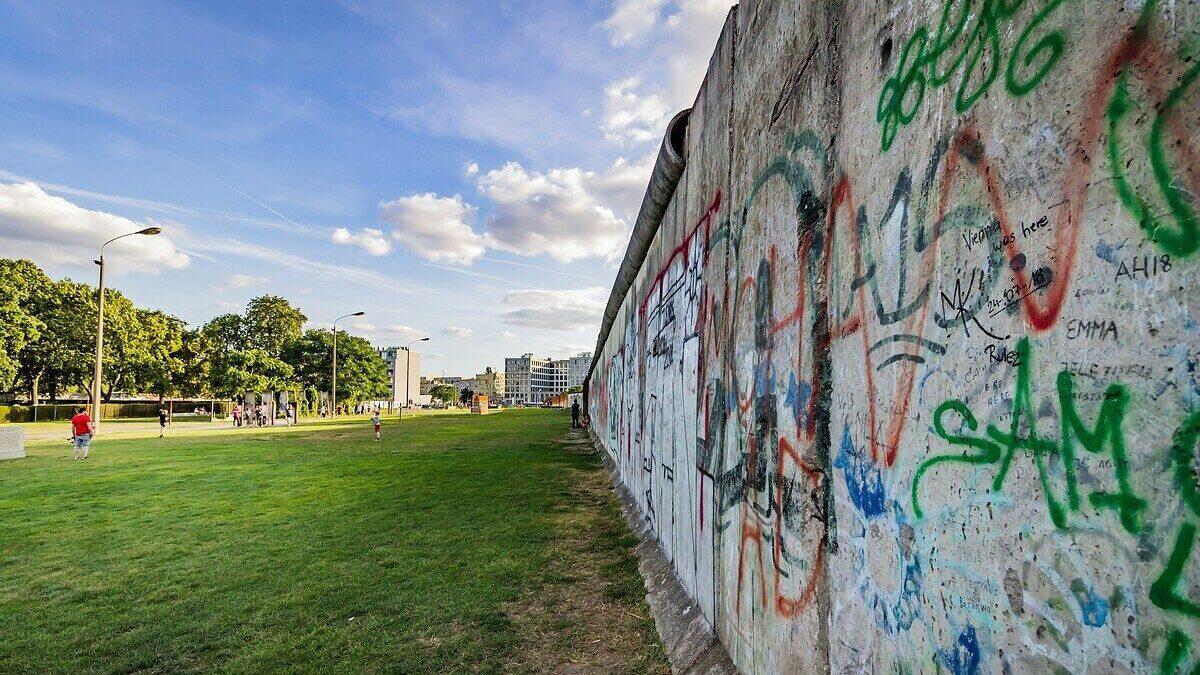
The fall of the Berlin Wall changed lives on either side of Germany’s former divide in different ways, interviews with 26 Germans show. The accounts offer a window into divisions that persist as support for a far-right party varies across the country.
Two video artists interviewed the participants in 2019 about life in a divided and reunified Germany. Researchers and historians advised the artists. All 26 participants were born in 1975.
They grew up in East or West Berlin, Baden-Württemberg in southwestern Germany, or Brandenburg in the northeast. Their names were changed to protect their anonymity.
East Germans recall upheaval
East German interviewees described reunification as a profound change. They experienced a transition from the planned-economy socialism of the German Democratic Republic to the social market economy of the Federal Republic of Germany.
Nathalie, who grew up in East Berlin and still lives there, said her orderly world changed. “I felt like I'd lost my footing,” she said.
Reunification also brought greater freedom to choose a career and new chances to travel. Matthias, from Brandenburg, called the fall of the wall “the biggest opportunity of my life.”
East German businesses faced new competition. Unprofitable firms closed, while companies sold primarily to West German investors made major job cuts.
Interviewees saw parents and grandparents lose their jobs and towns and neighborhoods left desolate. Some described feeling treated as second-class citizens.
Matthias recalled a student exchange in West Germany. Parents of host students asked whether teenagers from the east knew how to eat with a knife and fork.
West German accounts differed
West German interviewees consistently said reunification had not changed their lives. Torsten, from Baden-Württemberg, said, “For me, everything was fine before and everything is still fine.”
Most West German participants knew little about the German Democratic Republic era or the challenges associated with the wall’s fall. Many did not know that inequalities between east and west persist.
Less wealth passes between generations in eastern Germany, and a higher share of western households own their homes. West Germans also hold a large share of senior positions in East German companies.
Polling suggests Alternative für Deutschland, a far-right party, has 28% support nationally. Chancellor Friedrich Merz’s Christian Democrats stand at 20%.
In eastern Germany, the party has support from more than 35% of voters, compared with 20% in the west. Alternative für Deutschland won 43.8% of the vote in the Saxony-Anhalt regional election in September.
Projects bring generations together
The Connecting Generations project uses video installations based partly on the interviews with Germans born in 1975. It displays them in museums, memorial sites, libraries and adult education centers across Germany.
A separate project, Generations in Dialogue, brought a video installation and eyewitnesses into school classes to discuss their experiences.
 Take the quizWhat Kind of Holiday Spender Are You? Take the Black Friday QuizStart →
- 1Tyreek Hill Still Not Cleared to Play After Knee Injury
- 2Sandisk shares jump nearly 16% to $85.36 after Kioxia-Nvidia test
- 3Magnitude 5 earthquake hits Los Angeles area
- 4Full Retirement Age Chart: Social Security Ages by Birth Year Explained

- 5Sainsbury’s wrongly bans woman after facial recognition alert