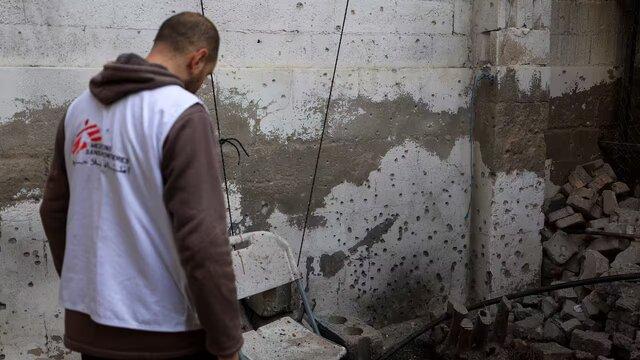
Sudan’s disappeared: Displacement and detentions tear families apart
The International Committee of the Red Cross has registered about 11,000 active cases of missing people in Sudan. Families are searching across borders and former battlefields, while a man who escaped detention says he is planning to reunite with relatives displaced by the war.
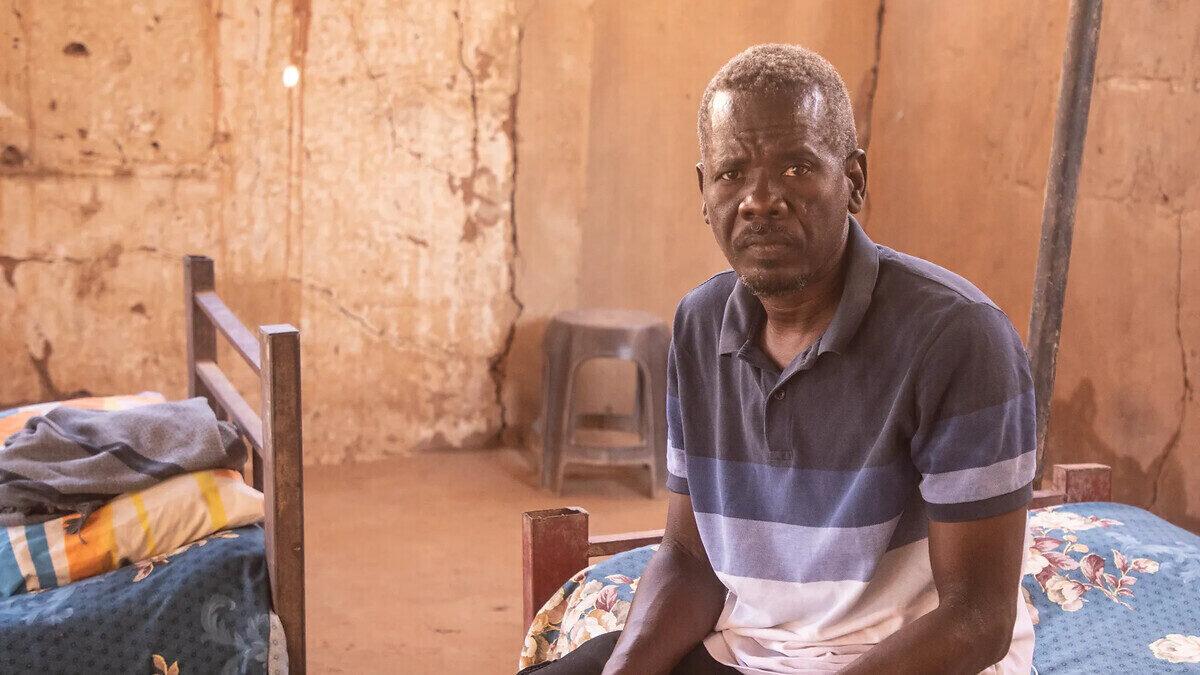
More than 9,000 missing-person cases have been documented in Sudan since fighting began, the International Committee of the Red Cross said. Families have lost contact with relatives during displacement and detention, sometimes spending years searching for answers.
The organization has registered about 11,000 active cases in Sudan. In 2025, it established the fate and whereabouts of 846 missing people, giving hundreds of families a chance to reunite.
The war between the Sudanese armed forces and the paramilitary Rapid Support Forces began in April 2023. It has displaced about 13 million people and killed tens of thousands.
Hussam Sid Ahmed, 27, has spent more than 100 days looking for his mother, Omaima Mohamed, 53. She disappeared in Khartoum in mid-August.
Sid Ahmed said the family had breakfast together before he left home and his father went to work. When they returned, Mohamed was gone.
His search took him to Al-Rank, a town in South Sudan near the Sudanese border. He had received word of several sightings there in October, but the trail went cold.
He also searched in Khartoum, Bahri and Omdurman. Other people looked on his behalf in places he could not reach.
“I will not give up. I just want her to return home and get back to her life. We miss her,” Sid Ahmed said.
Detention separated another family
Mohammed Kumi, 34, disappeared from his home in Eastern Nile State. His family spent two years trying to learn what had happened to him.
Kumi said Rapid Support Forces personnel beat him and accused him of cooperating with the army. They held him for 18 days before transferring him to another detention facility.
During 24 months in detention, Kumi said, he saw people killed or taken to unknown locations. He said many were missing people.
Kumi said he was later taken to Nyala, the capital of South Darfur, with approximately 500 other detainees. He said they were tortured and starved there.
After two years in detention, Kumi and others escaped when the Sudanese armed forces attacked Nyala. He then set out to find his family, who had been displaced from their home village.
Kumi reached White Nile State and traveled on to Khartoum, where he contacted his relatives. They had relocated to al-Damazin in Blue Nile State, and he said he planned to visit them.
Red Cross works to trace relatives
Damaged telecommunications, public services and infrastructure have made searches harder. Some areas are too dangerous for aid groups to operate in.
The Red Cross has provided wireless internet access to thousands of people in remote areas and displacement camps. The service helps people stay connected and communicate during emergencies.
The organization is also working with the Sudanese Red Crescent to trace missing people. Aid organizations often lack access to prisoner databases or detainees.
 Take the quizWhat Kind of Holiday Spender Are You? Take the Black Friday QuizStart →