
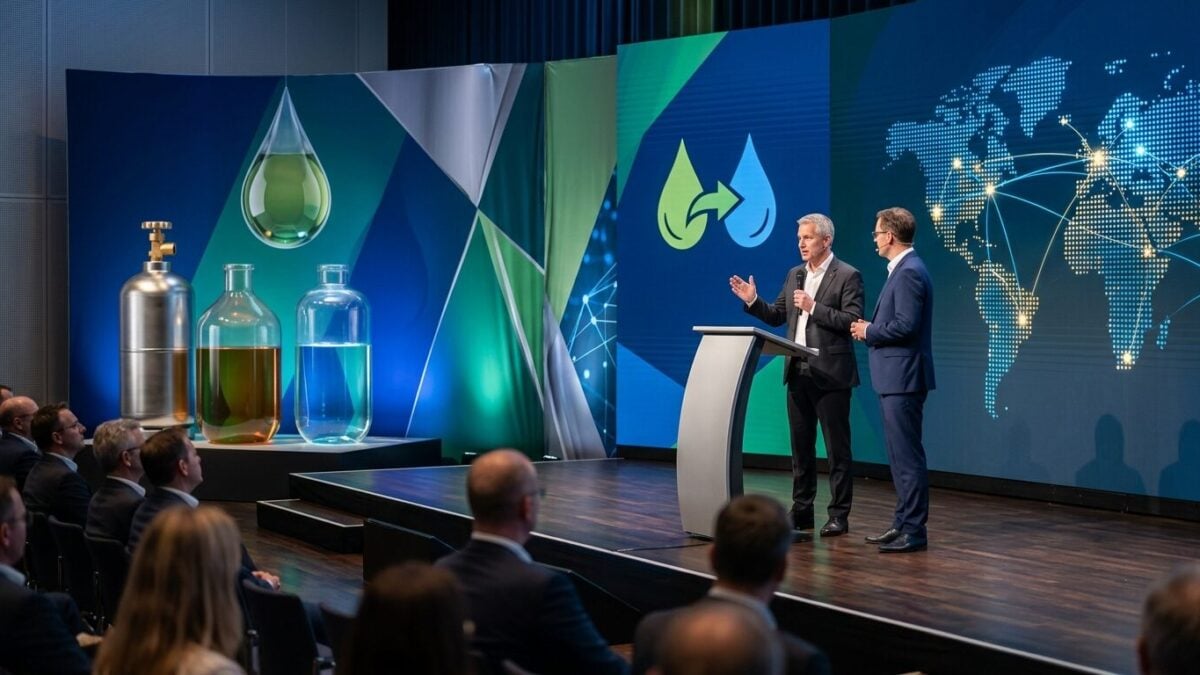
JAKARTA — The government is accelerating energy sector restructuring as global geopolitical uncertainty rattles energy supply and prices worldwide on Thursday (6/25). Energy and Mineral Resources Minister Bahlil Lahadalia said policy direction is now centered on strengthening domestic energy sources so Indonesia is less vulnerable to shocks from abroad.
The global situation, Bahlil said, is changing very quickly. Conflicts in several regions, trade tensions between countries, and wild swings in energy prices have forced the government to prepare more agile measures. “Geopolitics now is like malaria. So if you feel fine in the morning, by noon you’re already breaking into a cold sweat,” Bahlil said at CNBC Indonesia’s Energy Forum in Jakarta.
The remark points to one simple but costly reality: energy can no longer rely on a single source or a single supply route. If imports are disrupted, prices can rise. If the exchange rate weakens, subsidy burdens grow. The impact reaches household kitchens, transportation, and industrial production costs.
Focus on energy sector restructuring
At the forum, Bahlil explained that the government is preparing a series of strategic steps to reduce dependence on energy imports. The main targets include Liquefied Petroleum Gas, or LPG, fuel oil, and crude oil. The government wants the share of domestic energy to rise faster, not just for efficiency, but also to secure supply.
This matters because Indonesia still consumes large volumes of energy, while part of its core needs continues to come from overseas. When international prices rise, fiscal pressure follows. At that point, energy sector restructuring is no longer just a question of upstream and downstream technical work. It also affects room for maneuver in the state budget and overall economic stability.
“There is no other way to reduce the foreign exchange that goes out and reduce subsidies on LPG. We need an energy mix, which is why we are pushing CNG now,” Bahlil said. He stressed that the government wants a healthier combination of energy sources so import risks can be narrowed.
CNG pushed as a replacement for 3 kg LPG
One of the programs being prepared is the development of Compressed Natural Gas, or CNG, as an alternative to subsidized 3-kilogram LPG. The program has already entered its third trial phase. The government says CNG is worth promoting because domestic natural gas supply is relatively abundant and costs are considered more competitive.
Bahlil said CNG use could be around 30% to 40% cheaper than LPG. With that kind of gap, the government sees CNG not only as a technical option, but also as a tool to hold down long-term energy subsidy growth. If distribution is ready, households and small businesses could get a more efficient alternative.
But the road to broad use is not short. Infrastructure, distribution networks, and user habits still need to adjust. That is why phased trials matter. The government does not seem eager to rush, but it also does not want to wait too long while import pressures keep building.
B50 targeted for July 2026
On another front, the government is accelerating implementation of B50 biodiesel, which is targeted to begin circulation in July 2026. The policy is aimed at reducing diesel imports and increasing domestic absorption of palm-oil-based feedstock. If it proceeds on schedule, B50 will become one of the key pillars in the energy import-reduction strategy.
Bahlil said, “Next July we will launch B50. That will save Indonesia’s face from its dependence on diesel imports.” The statement underscores the government’s ambition to curb imported fossil fuel use, which has long weighed on the trade balance.
With B50, the government expects diesel consumption to be increasingly supported by domestic resources. The effect would not be limited to energy. The palm oil industry would also gain additional demand, creating more value-added activity at home and a wider economic spillover in producing regions.
Even so, B50’s success still depends on production readiness, feedstock supply, and distribution on the ground. A program of this size requires tight coordination among ministries, businesses, and supply chains. If one link stalls, the implementation schedule could slip.
Crude oil import options remain open
While the main focus is on strengthening domestic supply, the government is still keeping diversification of energy import sources on the table. One option under study is potential crude oil imports from Russia, which are being reviewed by a technical body under the Energy Ministry. The move is seen as a backup strategy if global energy markets are disrupted again.
In practice, diversified import sources give Indonesia more bargaining room. The country does not have to depend entirely on one region or one supplier. For a country as large as Indonesia, that flexibility matters. Very much so.
The government is also watching shifts in the geopolitical map that could affect international energy logistics routes. If global supply is squeezed, countries with alternative sources will be better prepared for price spikes. That is why import strategy is being retained, but with a more cautious and measured approach.
Masela Block and upstream oil and gas work
In the upstream oil and gas segment, the government is also pushing for faster completion of strategic projects that have moved slowly for years. One project drawing attention is the Masela Block. Bahlil acknowledged that the project is still facing several obstacles that have delayed progress. Problems like these, the government says, cannot be allowed to drag on because national energy needs keep rising.
The Masela Block is strategically important. If it proceeds as planned, the project could strengthen domestic gas supply in the long term. That would mean less pressure on imports and a firmer national energy base. For the government, slow-moving upstream oil and gas projects are lost opportunities.
That is why energy sector restructuring is now moving on several tracks at once: cutting LPG imports through CNG, reducing diesel imports through B50, opening alternative crude import options, and pushing upstream projects so they do not stall. The paths are many. The burden is heavy.
Going forward, the success of this strategy will be seen in one simple measure: whether Indonesia can truly absorb global price and supply shocks without letting subsidies balloon. The government has put a lot of cards on the table. The next stage depends on execution in the field.
Excerpt: The government is accelerating energy sector restructuring through CNG, B50 biodiesel, import diversification, and upstream oil and gas projects to reduce global geopolitical risk.


📝 Leave a Comment
Comment as . Reviewed by an admin before it appears.