Hegseth says Iran war has cost the US $37.5 billion as Congress grills Pentagon
WASHINGTON — US Defense Secretary Pete Hegseth told senators on Tuesday that the war with Iran has cost the United States $37.5 billion so far,
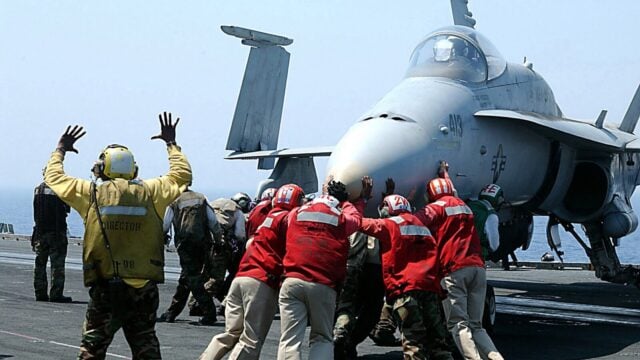
WASHINGTON — US Defense Secretary Pete Hegseth told senators on Tuesday that the war with Iran has cost the United States $37.5 billion so far, a figure that landed squarely in the middle of a bitter Capitol Hill fight over money, deaths and what comes next. The estimate came as lawmakers pressed the Pentagon chief over a new request that would push US defense spending to $1.5 trillion, with nearly $70 billion tied to the Iran conflict.
The number is now the latest official yardstick for a war that has already become expensive in dollars and lives. And the price tag is still climbing.
Latest cost estimate under fire
Hegseth gave the figure during a combative hearing before the Senate Appropriations Committee, where he faced sharp questions from Democrats and repeated interruptions from protesters. He said the $37.5 billion total reflects the cost of operations and maintenance through the end of September, though he did not spell out all the components behind the estimate.
“The estimate we have as of today is $37.5bn,” Hegseth said when asked by Democratic Senator Dick Durbin.
The figure is lower than some outside estimates. Moody’s Analytics, for example, has put the domestic cost of the war at as much as $150 billion, factoring in knock-on effects such as higher US energy prices. That gap underscores how difficult it is to measure the real bill from a conflict that reaches beyond the battlefield and into households, fuel costs and broader economic sentiment.
For Congress, the immediate fight is over funding. Republican lawmakers are preparing a $95 billion package to support the military and other White House priorities, while Hegseth framed the supplemental war money as urgent.
Deaths and injuries deepen pressure
The hearing came days after the Pentagon said three more American service members died in the conflict, bringing the US death toll to 17. More than 100 others have been injured since early July. Those numbers hung over the room as senators questioned whether the war was drifting into a longer and costlier phase.
Hegseth called the additional funding an “urgent, necessary” infusion and described President Donald Trump’s proposed $1.5 trillion defense budget as a generational investment in the military. Without the money now requested, he warned, the Pentagon would face “critical shortfalls.”
Senators on the other side of the dais heard something different. They heard an expanding war. A costly one. Maybe another open-ended commitment.
Democrats warn of escalation
Senator Patty Murray, the top Democrat on the committee, seized on the broader political risk. She warned of “another forever war” and said the conflict was “spiraling out of control again.” Her criticism reflected a deep skepticism in Congress about adding fresh money while the war remains active and the casualty count continues to rise.
Trump has repeatedly said that “a deal is near, and the war will be over soon,” Murray noted, pressing the administration’s public optimism against the grim numbers now coming from the Pentagon.
The clash on Capitol Hill was not just about military accounting. It was about trust. About whether the White House sees a clear exit, or only a moving target.
What the budget fight now means
The $37.5 billion estimate gives lawmakers a new official number to argue over, but it does not settle the larger dispute over the war’s direction. Hegseth’s testimony tied the conflict directly to a massive defense request and to the administration’s effort to win backing for more spending as casualties mount.
Republicans are expected to keep pushing the $95 billion package. Democrats, energized by the hearing and the latest death toll, are likely to keep asking how much more the war will cost if it goes on for weeks or months longer. The next round of debate will test how much appetite Congress has for funding a war that is already drawing comparisons to earlier long wars the US swore it would avoid.
For now, the Pentagon’s latest number stands at $37.5 billion. The next hearing, the next casualty update, or the next budget vote could push it higher still.