West Midlands Nears Drought Threshold as Dry Spell Hits Rivers Across England
The West Midlands has edged to the brink of drought after weeks of dry weather squeezed rivers and water supplies across England. The region is
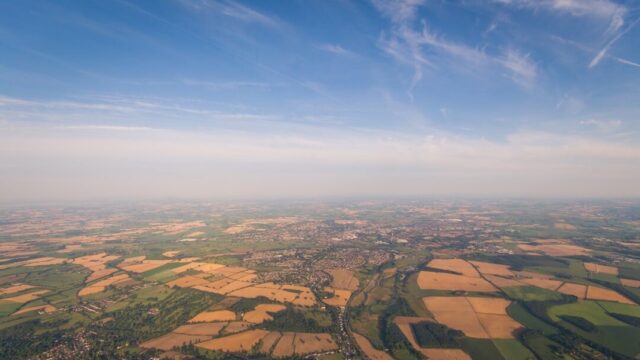
The West Midlands has edged to the brink of drought after weeks of dry weather squeezed rivers and water supplies across England. The region is now in the “prolonged dry weather” phase — the stage before a drought is formally declared.
The warning comes as only 13% of rivers across the country are at normal levels for this time of year, with the River Wye among several showing exceptionally low flows. The pressure is spreading. Fast.
Dry weather pushes the system
The National Drought Group said the West Midlands is among the English regions now under strain from the continuing dry spell. The Environment Agency said it is taking action to protect water supplies and wildlife as river levels keep falling.
That work is already visible on the River Severn. Around 200 million litres of water a day are being released into the river through the Shropshire Groundwater Scheme, according to the agency, to help top it up when levels dip too low. That amount is equal to about 80 Olympic-sized swimming pools.
The scheme taps groundwater stored naturally in the sandstone aquifer beneath north Shropshire. From there, water moves through a 53-kilometre network of underground pipelines before reaching the Severn. It is a quiet piece of infrastructure. But a crucial one.
A river under pressure
The Environment Agency described the Severn as one of the UK’s most important rivers, and its management has become more urgent as dry conditions continue. At full capacity, the Shropshire Groundwater Scheme can release up to 240 million litres a day — about 96 Olympic-sized swimming pools.
That scale gives a sense of how hard the system is being pushed. When river levels fall too low, the agency steps in to keep the flow moving and to limit damage to habitats and water users downstream. In a wet year, that sort of intervention may barely register. This year, it matters.
Elsewhere, the picture remains grim. The River Wye is one of several rivers currently seeing exceptionally low levels, part of a broader national pattern that has left just over one in eight rivers at seasonal norms. For local communities, that can mean tighter water supplies, extra pressure on wildlife, and more scrutiny over how much water is taken from rivers and aquifers.
What the agency is watching
The Environment Agency’s focus now is on keeping supplies stable while the dry weather lingers. That includes monitoring river levels and supporting measures that can cushion the impact on both people and wildlife. The drought threshold has not been crossed in the West Midlands yet, but the warning lights are on.
The region’s position is significant because the dry spell is not isolated to one valley or one catchment. It is part of a wider national squeeze on river levels, with many waterways below where they should be for July. If the weather stays dry, the step from prolonged dry weather to drought can come quickly.
For now, the Severn keeps receiving water from beneath north Shropshire — 200 million litres a day, and counting.