Iran, U.S. and Saudi forces trade strikes as fragile Middle East calm collapses
The short lull is over. Iranian missiles have again targeted U.S. forces, and joint U.S.-Saudi strikes have hit Iran-backed militia positions in Iraq, joltin...

The short lull is over. Iranian missiles have again targeted U.S. forces, and joint U.S.-Saudi strikes have hit Iran-backed militia positions in Iraq, jolting the Middle East back into open crisis after several quieter days.
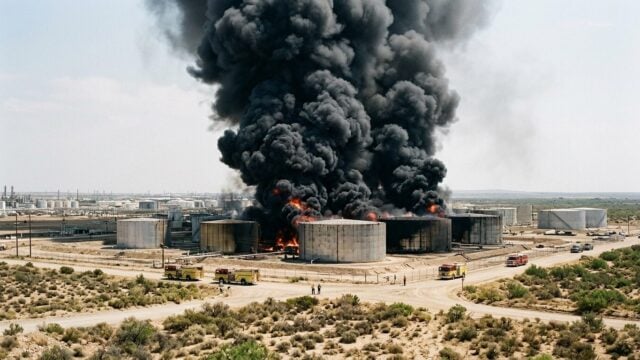
Oil markets felt it fast. Tankers are now hunting for alternate routes after Iranian-backed Houthi fighters warned that Saudi ships heading for the Indian Ocean would be targeted, a fresh threat that could widen the danger to commercial shipping well beyond the battlefield.
Trump vows retaliation
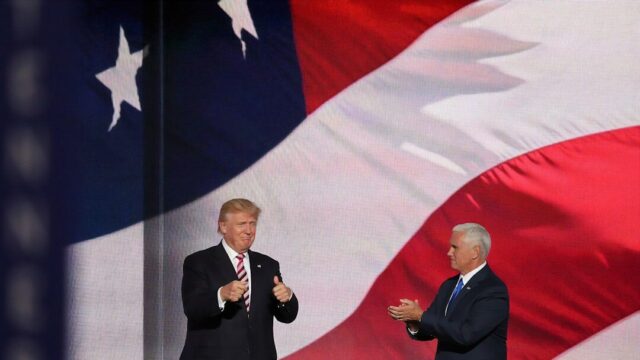
U.S. President Donald Trump promised retribution after the U.S. military said it intercepted what it called a surprise Iranian attack on its forces. In an interview with Fox News, Trump said: “We are going to beat the f**king sh*t out of them.”
Jordan’s military said it intercepted five missiles launched from Iran early Wednesday, underscoring how quickly the fighting is spilling across borders. The latest exchange ended days of relative calm and revived fears of a broader regional conflict.
Strikes widen in Iraq
U.S. Central Command said Saudi forces joined U.S. strikes against the Iran-allied Popular Mobilization Forces in Iraq. The PMF said at least 20 people were killed. The Saudi role is notable: Riyadh has so far largely resisted being pulled fully into the conflict, even as pressure builds on the kingdom to respond to developments near its borders.
Saudi Defense Minister Khalid bin Salman met with Vice President JD Vance in Washington on Wednesday as the war threat sharpened around the kingdom. The meeting came as officials weighed the risks of a conflict that now reaches from Iraqi bases to maritime routes in the Arabian Sea and beyond.
Energy pressure builds
Crude prices climbed after the renewed fighting, adding a new layer of strain to a region already rattled by missile fire and proxy warfare. For shippers, the threat is immediate. For governments, the question is what comes next.
With Iran firing missiles, U.S. and Saudi forces striking in Iraq, and shipping companies rerouting cargo, the next moves from Washington, Tehran and Riyadh are likely to determine whether the region slips into a wider confrontation.