Elite Mountaineer Nirmal Purja Dies in Broad Peak Avalanche, Ending Quest for Record Ascents
Nirmal Purja, one of mountaineering's most celebrated figures, has been killed in an avalanche on Broad Peak in Pakistan's Karakoram Range. The 43-year-old N...
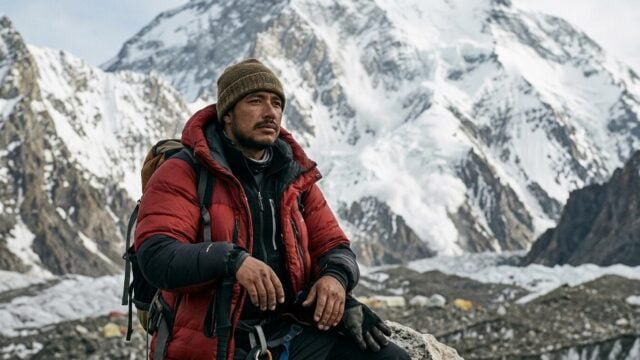
Nirmal Purja, one of mountaineering's most celebrated figures, has been killed in an avalanche on Broad Peak in Pakistan's Karakoram Range. The 43-year-old Nepali climber and his expedition group of 10 others were struck by the disaster around midday Thursday. His company, Elite Exped, confirmed the deaths on Saturday.
At least three other climbers perished alongside Purja, including his climbing partners Pur Bahadur Gurung and Nima Sherpa. The company said additional expedition members did not survive, though precise numbers remain unclear.
A Record-Breaking Legacy Cut Short
Purja earned his place in mountaineering history through feats that seemed almost impossible. In 2019, he became the first person to summit all 14 of Earth's peaks exceeding 8,000 metres in just over six months—a record that shattered the previous benchmark by months. The former Gurkha soldier and UK Special Forces veteran later led the inaugural winter ascent of K2, the world's second-highest peak, a climb considered one of mountaineering's ultimate challenges.
His philosophy was simple. "Records are made to be broken," he told the Guardian in 2019. "Someone one day will come along and be stronger."
Dangerous Conditions on the Mountain
Broad Peak, standing at 8,051 metres, ranks as the world's 12th-highest mountain but demands technical mastery in one of Earth's most unforgiving regions. The mountain had already signalled danger before Thursday's avalanche. Heavy snowfall in late July prompted other expeditions to abandon their attempts. Climber David Klein, who had spent a month below the summit, observed the mountain's mood shift dramatically as fresh snow accumulated.
Klein reported that by mid-July conditions seemed manageable, with most unstable snow already shed. Yet conditions deteriorated rapidly. The avalanche that claimed Purja and the others struck without warning in broad daylight.
Purja's death marks a sobering moment in high-altitude mountaineering, where even the most accomplished climbers face risks that no amount of skill or experience can fully eliminate. The mountains remain, as ever, indifferent to human achievement.