Raghav Chadha backs Modi government’s anti-paper leak Bill, calls it a ‘historic’ fix for students
New Delhi’s Parliament turned to a familiar wound on Thursday: exam paper leaks. BJP MP Raghav Chadha, once with the Aam Aadmi Party, used his
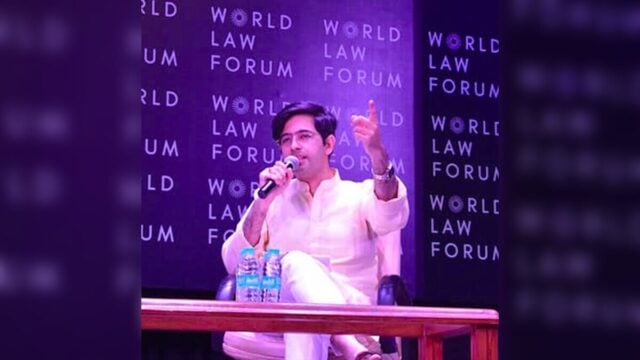
New Delhi’s Parliament turned to a familiar wound on Thursday: exam paper leaks. BJP MP Raghav Chadha, once with the Aam Aadmi Party, used his first speech from the ruling side in the Rajya Sabha to back the government’s anti-paper leak Bill and praise Prime Minister Narendra Modi for listening to students.
Chadha said he did not want headlines. He wanted results. Speaking in support of the legislation as the government pushed it through Parliament, he described the move as an institutional answer to a problem that has rattled students across India for years. “PM Modi heard it just like the head of a family listens,” he said.
‘Your anger is justified’
The Rajya Sabha speech was aimed squarely at students, especially NEET aspirants who have been at the centre of anger over repeated paper leak scandals. Chadha told them their frustration was real and that their concerns over the exam system were genuine.
“Your anger is justified. Your pain is real. And your concerns about the examination system are genuine,” he said, framing the issue as more than a political talking point. For him, the answer could not come through what he called media sound-bites. It had to come from a system-level fix.
He said the government had acted after students raised their voices in protest. “Students demanded, the government acted. Historic decisions taken. System changed,” Chadha said.
A political line, and a larger test
The remarks carry added weight because Chadha spoke from the Treasury benches for the first time on this issue after switching sides. His public backing gives the ruling BJP a visible voice from within Parliament as it tries to show it is taking the paper leak crisis seriously.
Paper leaks have become a sensitive issue far beyond India. Across countries, exam fraud can shake confidence in public hiring, university admissions and the fairness of merit-based systems. In India, the anger has been especially sharp among young test-takers who see years of preparation threatened by corruption or weak security.
Chadha said the government had “heard and delivered.” He also stressed that the crisis could only be solved through an institutional solution, not by chasing daily headlines. The Bill now moves the debate to execution: whether the promised system change can prevent the next leak before students are forced back into the streets.