What ‘Queer’ Means: Culture, History, and Why Famous-Figures Lists Need Care
What does queer mean? LGBTQ+ culture, Stonewall history, and why famous-figures lists need care. An original JournalArta explainer.
For decades, queer was a slur hurled across schoolyards and streets. Today it is also a chosen name, a community shorthand, and a body of theory that refuses to treat heterosexuality and the gender binary as the only natural order of things.
LGBT — lesbian, gay, bisexual, transgender — remains the acronym most people encounter first. Queer does not simply replace it. It can work as an umbrella, as a free-standing identity, or as a critical lens aimed at norms that police desire and gender. The overlap is real; the meanings are not identical.
What queer means
Merriam-Webster defines queer, in one sense, as relating to people whose sexual attraction or romantic relationships are not limited to rigid gender or orientation boxes. Dictionary lines are a starting point. Lived meaning travels through parades, classrooms, clinics, family arguments, and the slow work of law.
In Foucault and Queer Theory (1999), Tamsin Spargo stresses that queer does not point to one gender identity in particular. It opens space for people marginalized by sexual orientation or practice. Harry Benshoff and Sean Griffin, in Queer Cinema: The Film Reader (2004), treat queer as a refusal of essentialist, “biological destiny” stories about sex and gender. They read those categories as socially built — and therefore open to change.
That theoretical claim is often flattened into a stereotype: that queer people are “genderless,” or that their attractions must be permanently unstable. Neither follows. Plenty of queer people hold clear self-descriptions — gay, lesbian, bisexual, transgender, non-binary, or queer as a primary label. What queer thought challenges is the idea that only one script of manhood, womanhood, or romance is legitimate.
In public conversation, queer frequently shelters the broader LGBTQ+ spectrum. One person may be gay and also comfortable under a queer banner; another may choose queer precisely because a single category feels too small. Both are coherent. What fails as explanation is collapsing an entire community into one behavioral template.
Culture, community, and Stonewall
Queer culture — often spoken of as LGBTQ+ culture in everyday language — grew from the need to exist in public, to keep one another safe, and to fight for rights. It is not a single lifestyle. It is a mesh of practices: meeting rooms, writing circles, street marches, zines, films, and online spaces when families or institutions withhold protection.
Organizing histories usually begin with small, risky rooms. The Mattachine Society, associated with Harry Hay in early-1950s America, gave gay men a place to gather when openness could cost a job or worse. In 1980 New York, the Violet Quill literary circle of seven gay writers tried to treat gay experience as ordinary narrative rather than illicit spectacle.
Digital communities later became bridges. Work by Chana Etengoff and Colette Daiute (2015) describes how gay men used online networks to navigate tension between family, faith, and identity. Similar patterns appear across countries, including Indonesia, where social media can both amplify stigma and host mutual aid.
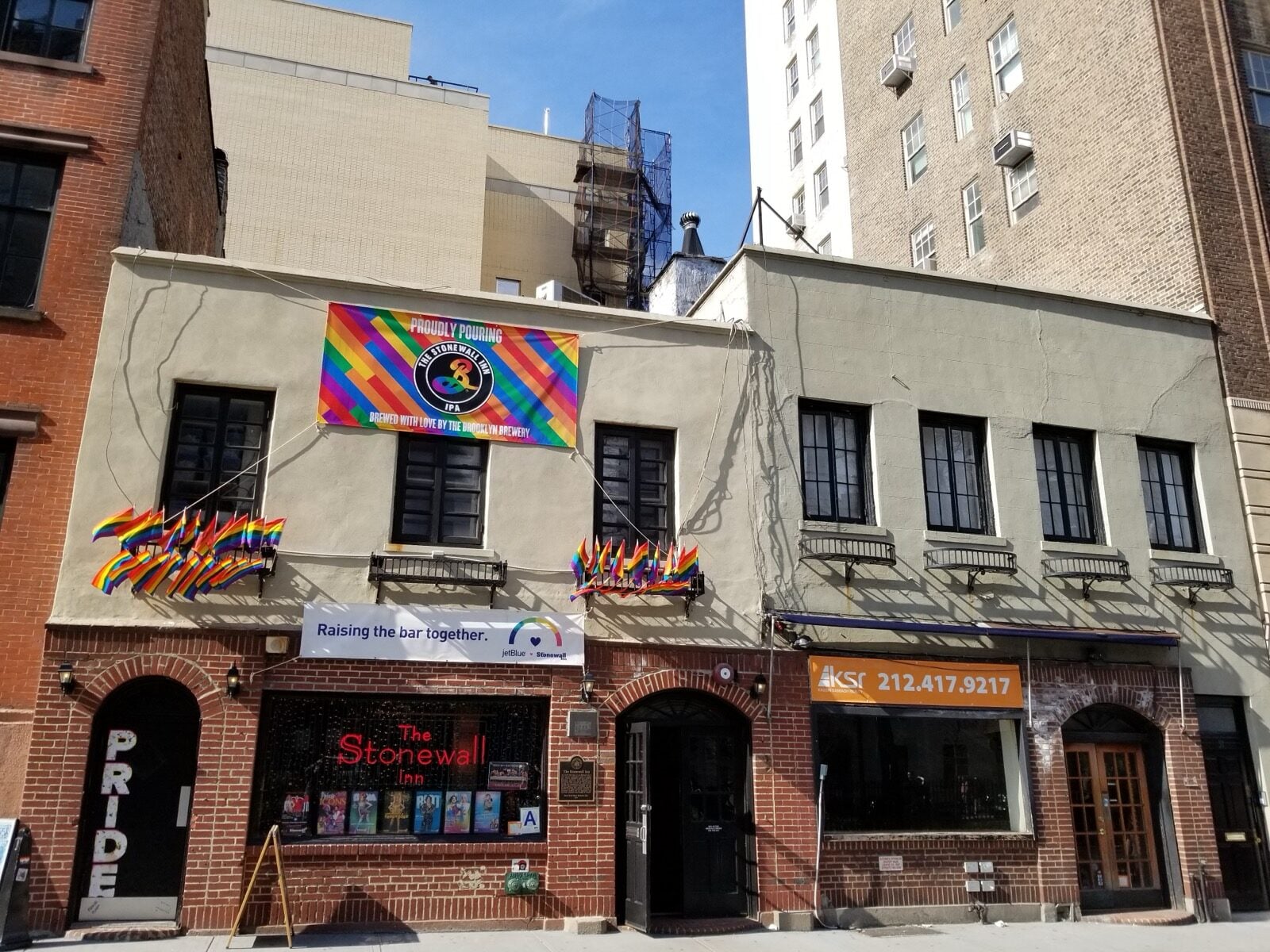
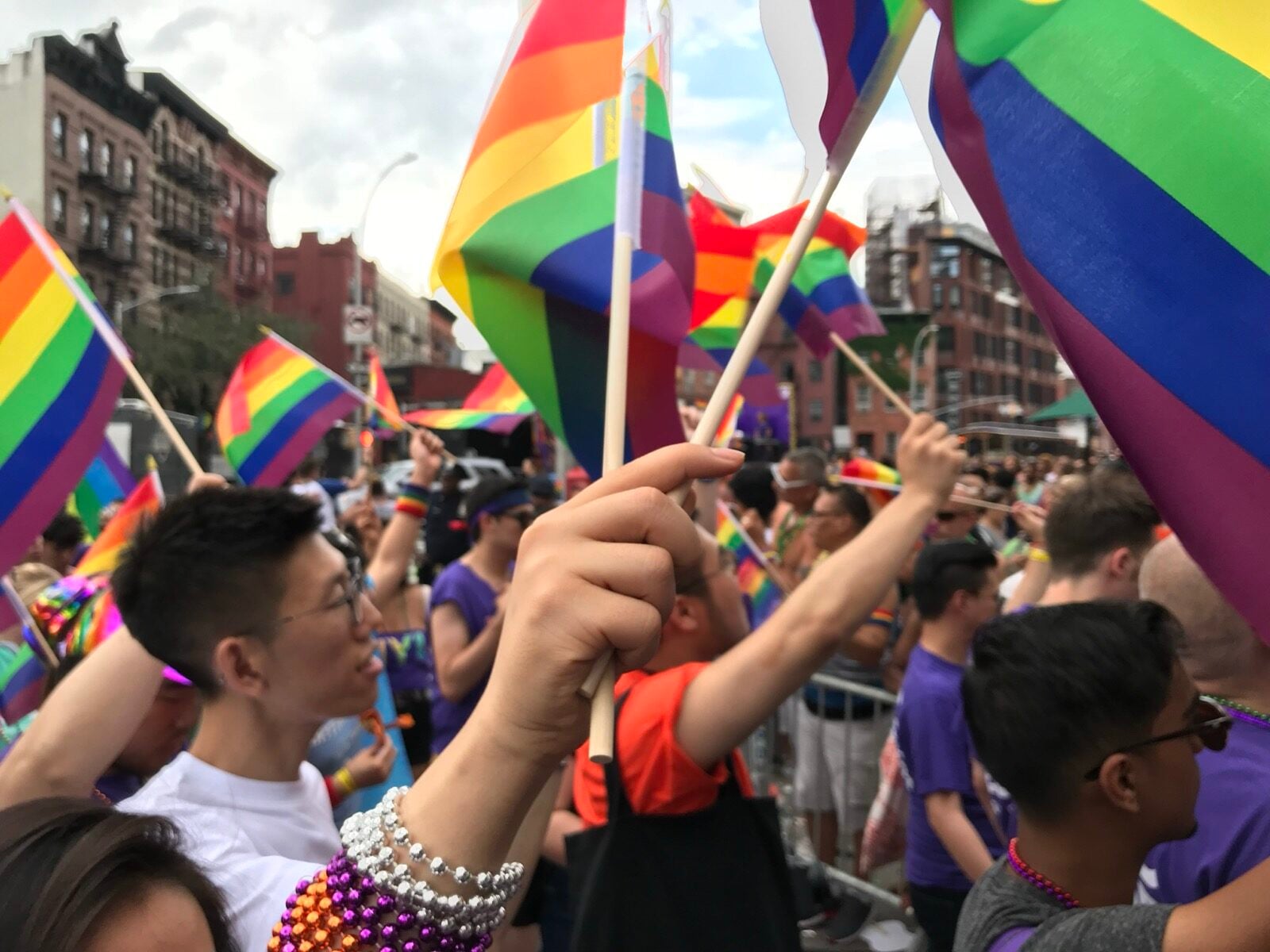
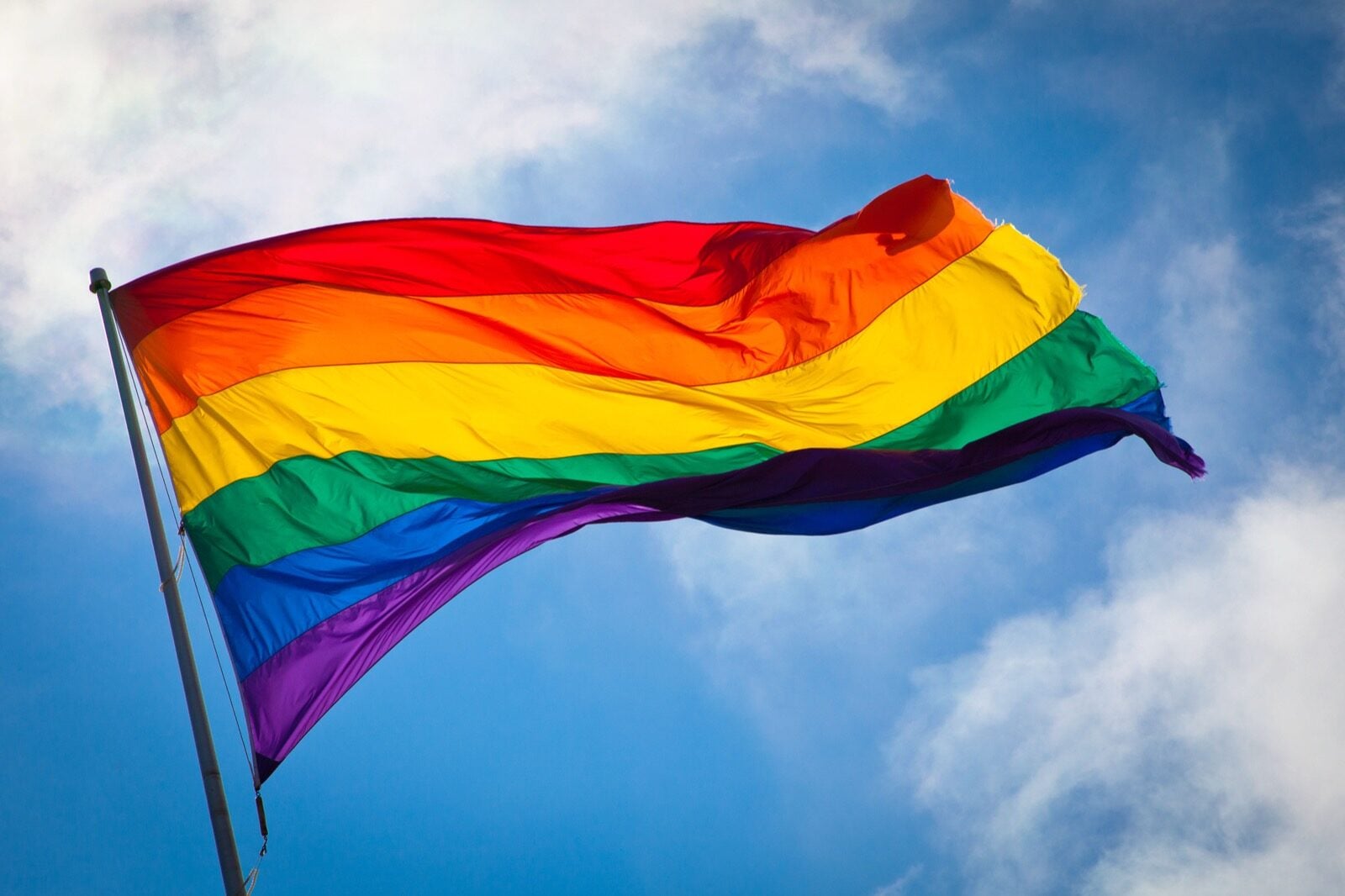
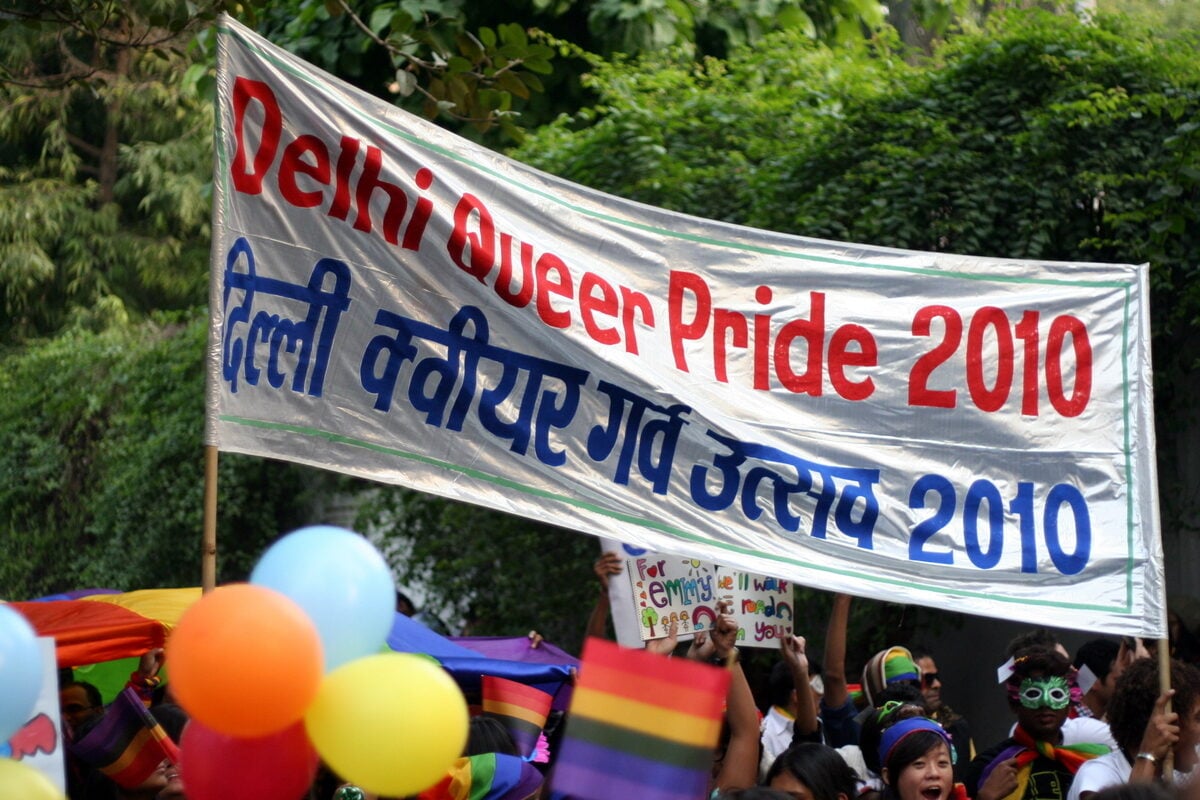
Pride marches are the most visible public face. Outdoor celebrations mark social recognition, legal gains, and intergenerational solidarity. Pride Month in June remembers June 1969, when a police raid on the Stonewall Inn in New York’s Greenwich Village sparked resistance now treated as a turning point in the modern gay liberation movement. Stonewall did not invent every prior struggle — but it became a portable symbol.
Bisexual cultures have often been sidelined even inside LGBTQ+ spaces. Daniel Welzer-Lang (2008) points to monosexism — the assumption that “real” desire attaches to only one gender — as a root of erasure and biphobia. An honest reading of queer life has to admit that the spectrum is not uniform, and that harm can come from outside and from within.
Film, books, music, and art remain routes of socialization. Queercore, emerging in the mid-1980s from punk’s do-it-yourself ethic, used zines, songs, and movies to push back against the framing of non-heterosexual lives as pathology.
Military policy in the United States adds another layer. After the repeal of Don’t Ask, Don’t Tell, LGBTQ+ service members still faced paperwork battles: updating records, pronouns, and access to appropriate medical care. Opening a door is not the same as clearing every hallway.
Famous figures — and the limits of labels
Lists of “famous queer figures” demand care. Popular education pieces sometimes name William Shakespeare, Richard I, Julius Caesar, or Leonardo da Vinci as settled examples. Historians do debate Shakespeare’s sonnets, Richard’s closeness to Philip II of France, or da Vinci’s private life. Slapping a modern identity label onto centuries-old archives is often speculative and anachronistic. A more responsible line is that historical evidence points to desires and relationships more complex than a single heterosexual myth — without forcing a certainty the record cannot carry.
Better-documented modern figures offer firmer ground. Oscar Wilde’s conviction under Victorian law shaped public imagination of stigma and punishment. Marsha P. Johnson and Sylvia Rivera are remembered as Stonewall-era activists who centered transgender people and those most exposed to violence. Harvey Milk, the San Francisco supervisor assassinated in 1978, became a symbol of open political life. Audre Lorde wrote at the crossings of race, gender, and sexuality in language still taught on campuses.
Understanding queer is not a quiz about acronyms. It is a way of reading how language, law, art, and community remake one another. When a word once used to wound is reclaimed as identity or critique, the shift is not a fad. It is a long negotiation over who gets to live without fear.