ANC slumps to 18% in Johannesburg poll as South African political pressure builds
The African National Congress has fallen to 18% in a new Johannesburg opinion poll, a striking result for the party that has dominated South African
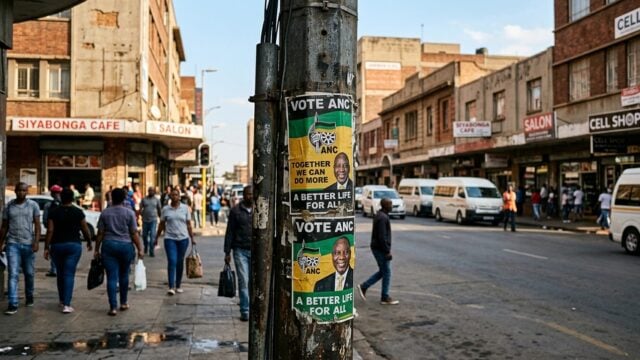
The African National Congress has fallen to 18% in a new Johannesburg opinion poll, a striking result for the party that has dominated South African politics since the end of apartheid. The numbers point to a deepening challenge for the ANC in the country’s biggest city, where local frustration and national politics are increasingly colliding.
The poll, reported on August 7, comes as the ANC faces a rough stretch in Johannesburg and other major metros. News24 has also reported that the party looks set to keep its experienced mayors in three key cities ahead of upcoming elections, a sign it is trying to steady its position even as support in urban areas appears fragile. Eighteen per cent is not just a low point. It is a warning.
A difficult urban landscape
Johannesburg matters far beyond city hall. It is South Africa’s economic hub, a place where political shifts often signal wider trends. For the ANC, a weak showing there raises fresh questions about whether longtime loyalty can still hold in fast-changing urban communities.
The party’s troubles are unfolding against a noisy political backdrop. In recent days, News24 has also highlighted a string of attention-grabbing domestic stories, from Julius Malema’s attack on an ANC MP to major crime and court developments involving St Stithians College pupils and alumni. The mix reflects a country where politics, public safety and social tension remain tightly connected.
Why the number matters
An 18% result in Johannesburg would mark a sharp break from the ANC’s historic weight in South African public life. For a party that once set the national agenda, the figure suggests voters in the city are willing to look elsewhere, or stay home altogether.
That pressure is not limited to one survey. The broader picture from News24’s political coverage points to an ANC still trying to defend ground in the metros while managing internal and external attacks. Even as it weighs the future of trusted mayors in key cities, the party is now confronted with a blunt measure of how far its urban support may have slipped.
A test before the next vote
The poll leaves the ANC with a practical problem, not just a symbolic one: how to reconnect with Johannesburg voters before the next election cycle tightens. City politics can change quickly, but numbers like this tend to linger.
And in Johannesburg, they will. The party now has to answer a harder question than how to campaign harder; it has to show why voters should trust it again. The next municipal contest will tell whether 18% was a shock, or the start of a new normal.