Met Office warns El Niño could drive record heat and rougher weather worldwide
The Pacific is warming fast, and the UK Met Office says the El Niño now developing could be the fiercest many people have ever seen.
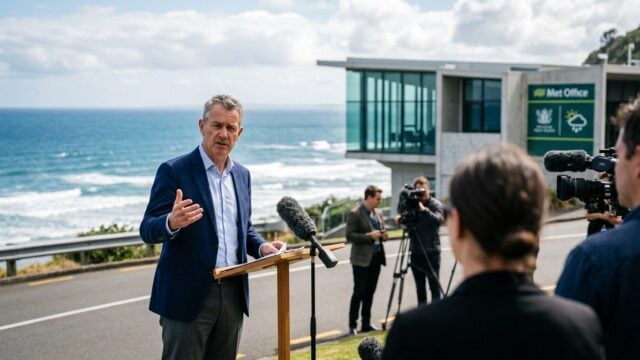
The Pacific is warming fast, and the UK Met Office says the El Niño now developing could be the fiercest many people have ever seen. The warning lands with a hard edge: paired with human-caused climate change, it makes 2027 look “very likely” to be the hottest year on record.
The outlook carries effects far beyond one ocean basin. Scientists at the Met Office say weather patterns are already shifting, with below-average monsoon rainfall in India and weaker hurricane activity in the Atlantic among the signs. For Britain, the risk points the other way. A wet, stormy autumn could be in store.
An intense signal
Prof Adam Scaife, who heads long-range forecasting at the UK Met Office, did not soften the message. “We should be clear that this is an unprecedented event,” he said. “I have never seen an El Niño signal this intense in our forecasts.”
That matters because El Niño is not a rare anomaly. It is a natural climate pattern that returns every two to seven years and usually lasts about a year. During an event, trade winds over the Pacific can weaken or even reverse. Warm water then spreads eastward, releasing heat into the atmosphere.
Fast change. Real consequences.
Weather systems already feeling it
The Met Office warning suggests the developing event is no longer just a future threat. It is already shaping weather on different continents, and the effects could deepen as the pattern matures.
For governments and weather agencies, the concern is not only heat. El Niño can increase the risk of extreme weather, complicating planning for agriculture, disaster response and power demand. In Europe, a wetter and more unsettled autumn would add pressure just as storms begin to return.
The bigger backdrop is clear enough. Natural climate swings can amplify the warming already locked in by greenhouse gases. When both line up, records become easier to break — and harder to ignore. The next test will come as the Pacific event evolves through the months ahead.