AI Is Eroding Entry-Level Jobs, a School Board Member Warns
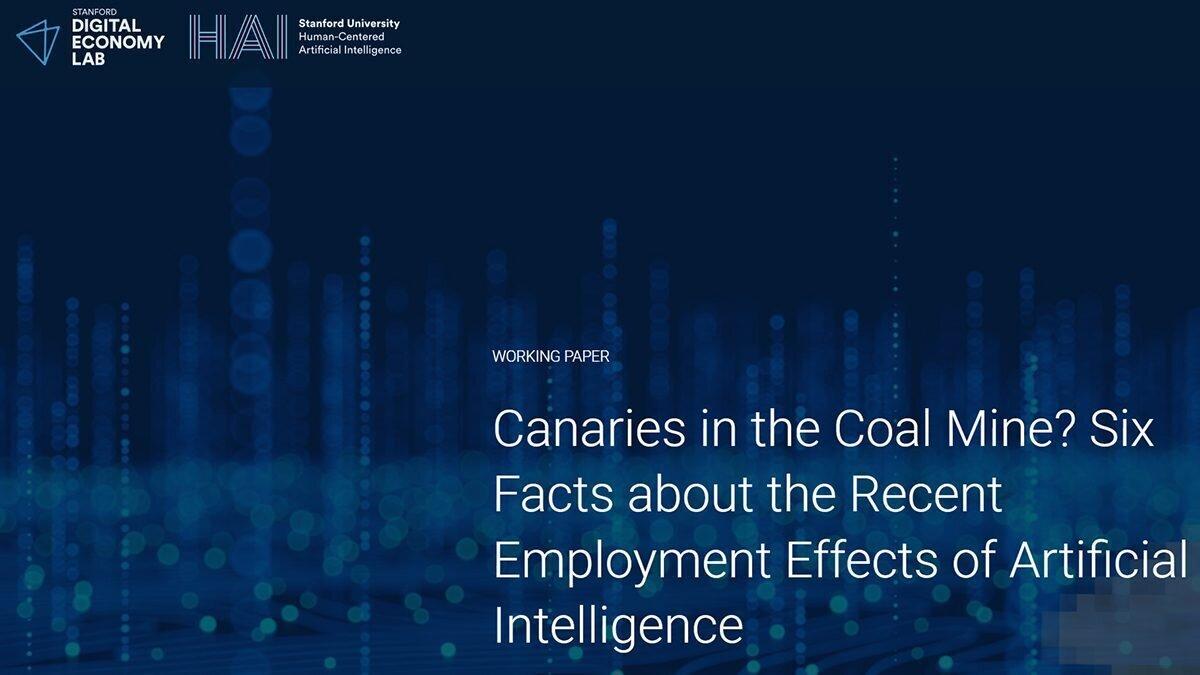
A school board member with a finance background argues that AI is taking over the routine tasks beginners once used to build judgment. A 2026 study found junior software vacancies fell almost 15% relative to senior ones, though it does not prove AI caused the drop.
A school board member who has spent a career in finance and strategy is warning that artificial intelligence could cut off the way beginners learn on the job. In an opinion essay, the author asks how people will develop judgment if AI takes over the routine work that once trained them. The piece also raises a practical question for readers: how does AI work its way into hiring, and what happens to the first rung of a career?
Why junior work matters
The author recalls building financial models, checking numbers and preparing presentations early in a career. Senior colleagues reviewed that work and sometimes sent it back over an assumption that looked reasonable on paper. Through that feedback, the author learned that a correct calculation can still lead to a poor decision.
That work produced two things at once, the author writes: an output and a more experienced person. Junior staff help offset the cost of their own supervision. If AI can produce a first analysis more cheaply, a company may decide it needs fewer beginners.
The savings arrive immediately. Training takes years, and an employer cannot be sure a trained worker will stay. If enough firms automate junior tasks and hire experienced people later, the author asks, where will those people come from?
What the studies show
The essay points to early signs of change. A 2026 study of U.S. software job postings found an almost 15% decline in junior vacancies relative to senior ones after generative AI went public in late 2022. A U.S. Census Bureau working paper reported weaker initial employment and earnings among graduates of majors most exposed to AI.
Those jobs include junior software engineers, financial analysts, graphic designers and marketing associates. The author stresses that neither study proves AI caused the changes or measures employers' training investment. AI may also help beginners learn faster, and some firms may find better ways to train with it.
Classrooms and next steps
The author also worries about students. In a 2025 randomized study of university students, those who studied with ChatGPT scored 57.5% on a surprise test 45 days later. Students who studied without AI scored 68.5%.
The study was small and measured knowledge retention, not critical thinking. It does not show what is happening in K–12 classrooms, and the author notes AI used differently may improve learning.
The author urges schools and colleges to look further ahead when reviewing career pathways with employers. Beyond skills and credentials, they should ask how entry-level work will change and where new hires will gain experience. Internships and apprenticeships need to offer real practice and supervision, the author says, and the costs of developing beginners may need to be shared differently.
Young people without professional connections are most at risk, the author argues, because they depend on accessible programs and employers willing to give a first chance. "Someone has to give them the opportunity to become experienced first," the author writes.
 Take the quizWhat Kind of Holiday Spender Are You? Take the Black Friday QuizStart →





 Markets · FintechHow to Calculate Compound Interest: Formula, Examples and the Rule of 72
 Lifestyle · Food & HealthNormal Blood Pressure Chart by Age: Healthy Ranges Explained
 Lifestyle · Food & HealthWhat Is Raynaud’s Syndrome? Why Fingers Turn White in the Cold
 Lifestyle · Food & Health4 Ways Walking After Meals Helps Your Body, Doctors Say