Wall Street Equities Close Lower as Nvidia Slides 4.3% After Huang Exit
US stocks closed lower on Thursday, November 12, as Nvidia fell 4.3% after CEO Jensen Huang's exit, outweighing gains in energy shares. The Dow, S&P 500 and Nasdaq each lost about a third of a percent, while investors await Friday's producer price data.
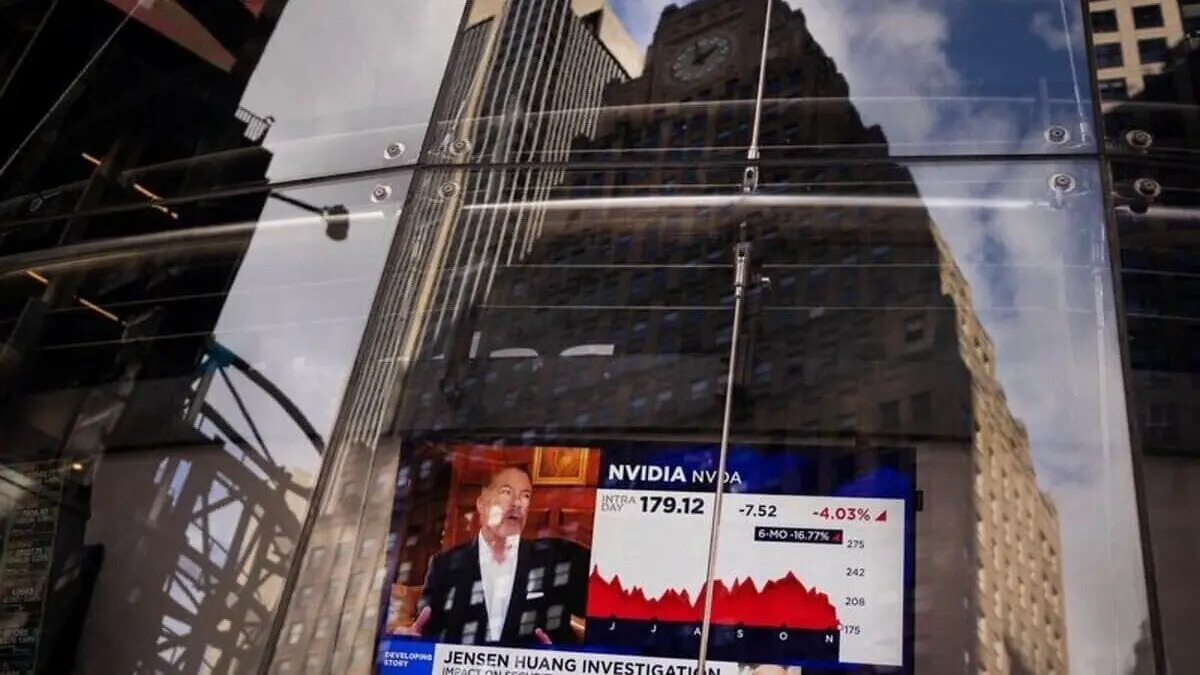
US equities closed lower on Thursday, November 12, 2026, as a 4.3% drop in Nvidia shares after CEO Jensen Huang's exit outweighed gains in energy stocks. The Dow Jones Industrial Average fell 189.40 points, or 0.36%, to 52,297.09.
The S&P 500 lost 26.98 points, or 0.35%, to 7,592.40. The Nasdaq Composite shed 100.10 points, or 0.39%, to 25,366.09.
Nvidia's wild session
Nvidia was far off its lows by the close. Shares had earlier dropped nearly 12%. Retail investors bought about $111 million of the stock in the first half hour of trading, the biggest opening bid on record for Nvidia, according to Vanda Analytics.
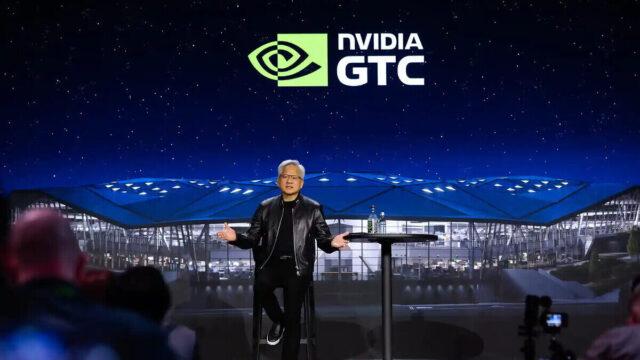
The company named Chief Financial Officer Colette Kress as interim CEO.
Other AI-linked names fell harder. Cloud firm Nebius tumbled 16.8% after reporting quarterly earnings and an outlook, its biggest daily percentage drop since July 1. CoreWeave dropped 6.9%, IREN slumped 6.5% and Applied Digital lost 5.4%.
Nvidia rivals moved the other way. Broadcom, Advanced Micro Devices and Alphabet each rose and were among the biggest boosts to the S&P 500. The Philadelphia Semiconductor index declined 0.5% after surging 17.2% over the prior four sessions.
Energy leads gainers
The S&P 500 energy index rose 1.5%, its fourth straight daily gain and the best showing among the 11 major sectors. Crude prices climbed after President Donald Trump wrote on social media that the US did not need a deal with Iran.
Why investors are uneasy
Stocks have been volatile in recent days. Sweeping Democratic wins in the US midterm elections have raised worries about tighter AI regulation, and doubts about Nvidia's leadership have pressured a pillar of the current bull market.
Some investors expect questions to linger over AI firms with close ties to Nvidia. The chipmaker has backed several companies, including its own customers, through financing arrangements that now face more scrutiny.
"Nvidia is the circular-funder-in-chief; they're the biggest by far at this point, and I assume that activity will moderate," said Jed Ellerbroek, portfolio manager at Argent Capital Management in St Louis.
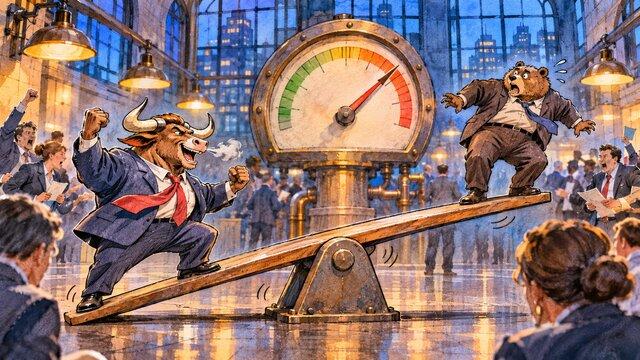
He also described a market tug of war: "It's concerns about deceleration versus just pointing out that the absolute valuation and growth rates are still pretty compelling."
Rates and breadth
Declining stocks outnumbered advancers 3.4 to 1 on the NYSE and 3.18 to 1 on the Nasdaq. The S&P 500 posted 18 new 52-week highs and 2 new lows. The Nasdaq Composite logged 55 new highs and 267 new lows.
Volume on US exchanges reached 19.18 billion shares, against a 20-day average of 18.61 billion.
Markets fully price in a Federal Reserve rate hike of at least 25 basis points in December, with a 15% chance of 50 basis points, according to CME FedWatch. A basis point is one hundredth of a percentage point.
Cleveland Fed President Beth Hammack said she does not believe the central bank needs more aggressive hikes. San Francisco Fed President Mary Daly said she expects further increases but did not suggest urgency.
Investors now await the Producer Price Index on Friday, which follows a hotter-than-expected consumer price reading earlier this week.