Europe’s Entry System Errors Leave Britons Needing Proof of Travel
British travelers are being told to carry boarding passes or hotel bookings after errors in the EU's biometric entry/exit system wrongly logged their trips. Travel industry body Abta wants checks dropped until the system works, as border queues and missed flights continue.
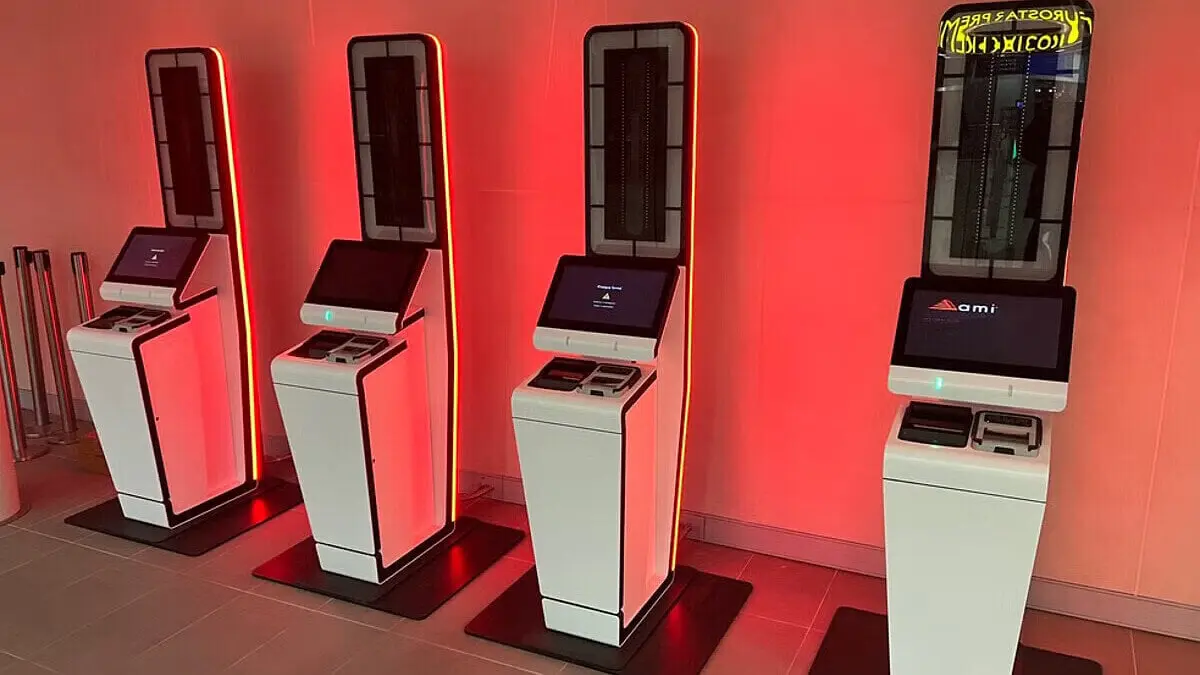
British travelers should carry proof of their previous entries to and exits from the EU, experts warn, because of the way Europe’s entry system has been logging movements incorrectly. A string of incidents has been traced to incomplete travel records.
The problem threatens Britons' right to travel in Europe. Under post-Brexit rules, they may spend 90 days in any 180-day period in Schengen-area countries.
Held up in Vienna
One frequent British traveler was briefly held at Vienna airport last month. A border official counted the days spent in the EU and concluded the person was nearing the limit.
The traveler knew no rule had been broken. But the official found a gap. “There’s an error in your record. It shows you left Toulouse in the middle of June, but there’s no entry recorded. Do you have proof of your entry?” she asked.
Flight details were enough to get through. The official then insisted that frequent travelers carry proof of their itineraries when entering and exiting the EU, in case of such errors. That could range from boarding passes to hotel bookings.
Author banned over a logging error
The issue is not new, but it drew attention last week. British author Jojo Moyes faced a two-year ban from the EU because an exit from Portugal had been wrongly logged, and border guards stopped her in Marseille. It is thought thousands of British travelers have been affected.
The cause is the troubled rollout of the EU's entry/exit system, known as EES. It requires non-EU citizens to give a facial scan and fingerprints each time they enter or leave Europe. The system went fully operational in April.
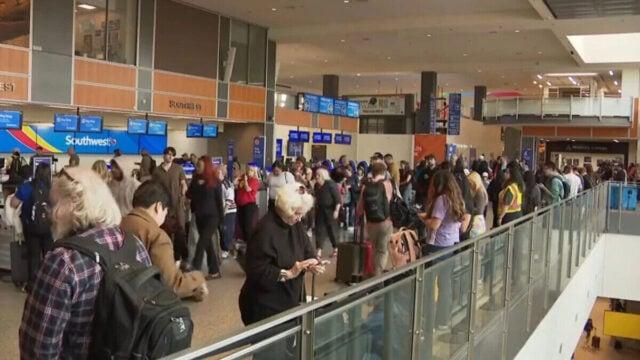
Queues have snaked through airports in France, the Canary Islands and Portugal. Travelers have missed flights since the system was introduced more than a year ago.
Patchy checks across 29 countries
The 29 countries using EES were given flexibility until the start of September to drop checks if queues became unmanageable. Those exemptions have now been extended indefinitely.
As a result, some borders run full biometric checks while others do only manual ones. Manual checks may not include a passport stamp. That raises the chance of trips being recorded inaccurately.
Luke Petherbridge, director of public affairs at Abta, the association of travel agents and tour operators, said “the system still can’t perform adequately”. He said Abta is lobbying for a “pragmatic approach” of dropping checks entirely until EES works properly.
The problems are many. They include IT failures and a shortage of border staff. Unclear signage leaves passengers confused by the process. Reports last week said the EU is suing technology firms including IBM over delays to the system.