Yttrium Prices Soar 174-Fold as China Curbs Rare Earth Exports
Yttrium prices soared 174-fold in Europe, reaching $1,087 per kilogram in September compared with late 2024, as China restricts rare earth exports. Japanese manufacturers face shortages and rising costs, though finished-product supplies have so far held.
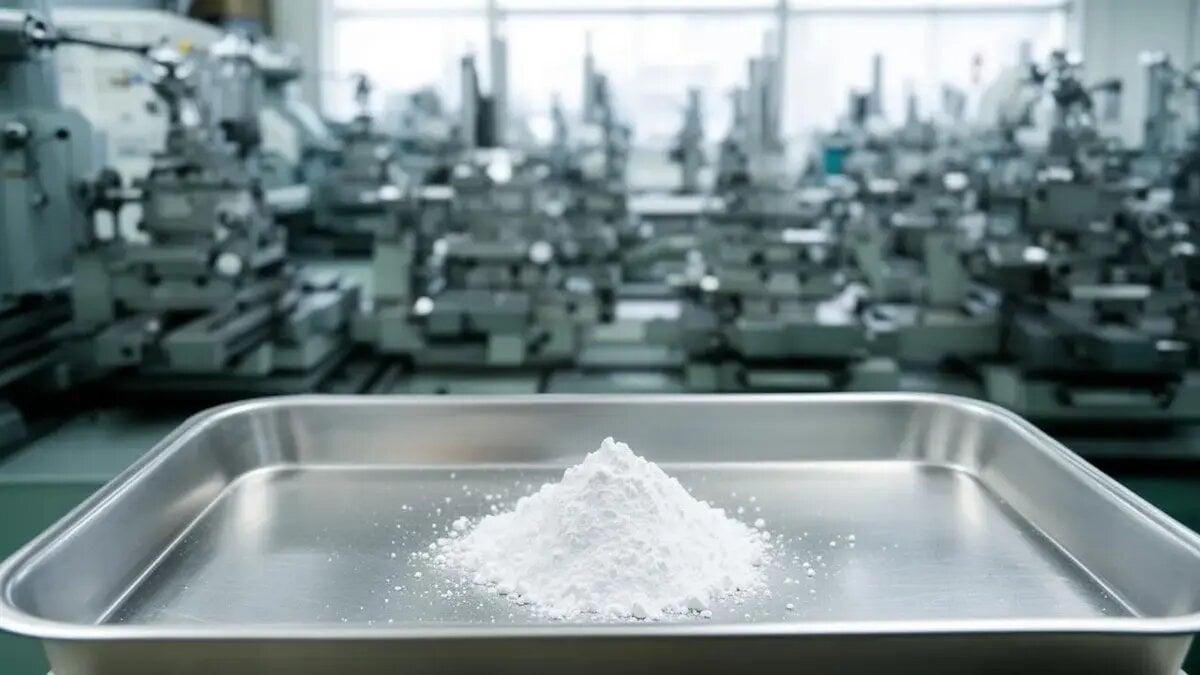
Yttrium prices soar 174-fold in Europe as China's rare earth export controls drag on, squeezing Japanese manufacturers of chip equipment and aircraft engine parts. The European price reached $1,087 per kilogram in September, according to figures compiled by UK research firm Argus Media, up from late 2024.
That is nine times the level of September a year earlier. China's domestic price over the same period was less than one-hundredth of the European level.
Beijing has left domestic supply untouched and tightened only the volumes sent abroad. The price gap between China and the rest of the world has widened sharply as a result.
Japan's trade data show the same squeeze. The September import unit price for yttrium oxide, calculated from Ministry of Finance statistics, jumped 64-fold from a year earlier. Imports for January through September totaled 294 tons, down 70% from the same period last year.
Why yttrium matters
Yttrium is one of 17 rare earth elements. Manufacturers use it in coatings for semiconductor equipment parts, aircraft engine blades, light-emitting diodes (LEDs) and capacitors.
China dominates both production and refining. Alternative suppliers are virtually impossible to secure in the short term.
How the curbs tightened
China introduced export controls on seven rare earths, including yttrium and dysprosium, in April last year. In January this year it tightened restrictions on exports to Japan under dual-use item rules. The step followed a chill in bilateral relations after remarks by Japan's prime minister about a Taiwan contingency.
A diplomatic fix looks distant. Japanese media report that a meeting between the prime minister and Chinese President Xi Jinping is unlikely around the Asia-Pacific Economic Cooperation (APEC) summit in Shenzhen, scheduled for the 18th and 19th. Some observers say Japan could be the only major participant without a leaders' meeting.
Japan's response
Tokyo and Japanese companies are diversifying supply. They are deepening cooperation with the United States and the Group of Seven (G7) nations, buying more from South Korea and the United States, and extending supply lines to Germany, Turkey and Estonia.
Shin-Etsu Chemical plans to invest at least 35 billion yen (about $218.9 million) in a new base in Fukui Prefecture. It would be able to smelt 16 types of rare earths, including yttrium.
Speed is the problem. Mitsui Mining & Smelting, which processes materials for chip equipment, cannot secure enough raw material from China. Capacitor makers are searching for substitutes without a clear solution.
Others report no damage yet. Chipmaker Kioxia and aircraft engine parts maker IHI said they have not suffered production disruptions from the shortage. Concerns remain that inventories could run dry if the restrictions continue, spreading the impact to factory floors.