Leonid Meteor Shower Peaking Monday Night: How to Watch
The Leonid meteor shower peaks overnight Monday into early Tuesday, with the best viewing after midnight. Skywatchers can expect about 10 to 15 meteors an hour under dark skies, a 40 percent illuminated moon, and Mars and Jupiter rising nearby.
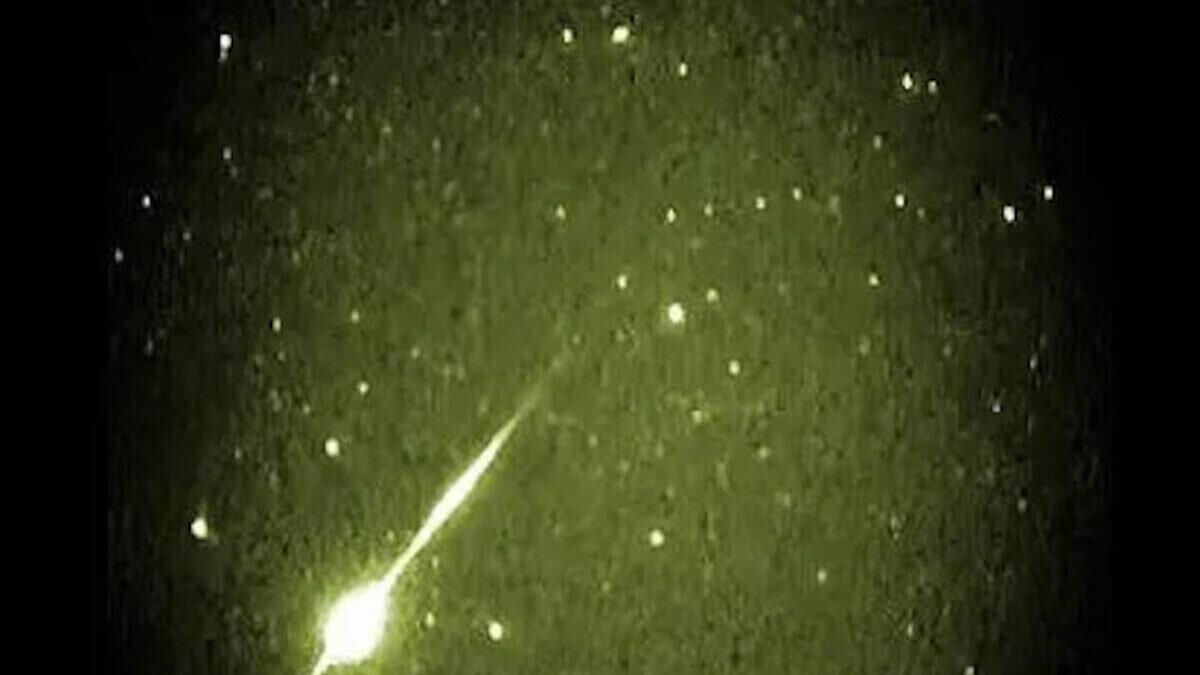
The Leonid meteor shower is peaking overnight Monday into early Tuesday, and the best time to look up is after midnight Monday night. Skywatchers in dark locations can expect roughly 10 to 15 meteors an hour, which is typical for this shower.
The Leonids began at the start of November and usually last through the first couple of days of December. Early sunsets and late sunrises this time of year give viewers plenty of dark hours to try.
What to expect
This year will not match the show of 60 years ago. On the morning of Nov. 17, 1966, thousands of meteors a minute streaked across clear skies in parts of the United States during a 15-minute window. It is widely regarded as one of the best displays on record.
Most years the Leonids are an average shower. At 10 to 15 meteors an hour, you may wait about five minutes between sightings.
They are still worth the effort. The Leonids are among the fastest meteors, at 44 miles per second, and they are bright and can be colorful. NASA says the shower is also known for fireballs and Earth-grazing meteors, which skim the top of the atmosphere at a very shallow angle.
Where the meteors come from
Earth is passing through a stream of debris left by the periodic comet 55P/Tempel-Tuttle. William Tempel of Marseille Observatory in France discovered the comet 160 years ago, on Dec. 19, 1865.
The American Meteor Society says the glowing streaks are not new material from the comet. "It is not fresh material from the comet that we see, but debris from earlier returns that happens to be most dense at the same time," the society says.
The society adds that when the comet returns in 2031 and 2064, there may be no meteor storms, but there could be several good displays with rates above 100 per hour.
How to watch
Find somewhere dark and look up. The meteors appear to radiate from the constellation Leo, but they will criss-cross the whole sky, so you do not need to stare at one spot.
Give your eyes up to 20 minutes to adjust to the darkness. Put your phone away, because glancing at the screen and then back at the sky undoes that adjustment.
The moon will be about 40 percent illuminated. It may wash out the fainter meteors while it is above the horizon. Clouds can also block the view, so check your local weather. Dress warmly and bring patience.
Planets as a bonus
While you wait, Mars and Jupiter offer a side show. They will rise close together in the eastern sky on Monday and Tuesday mornings, and no telescope is needed. Regulus, the bright star in Leo, is also in the same part of the pre-dawn sky.
The Leonids also serve as a warm-up for the Geminids, which peak Dec. 13–14. That shower is considered one of the most anticipated of the year, behind the Perseids in August.
 Take the quizWhat Kind of Holiday Spender Are You? Take the Black Friday QuizStart →
- 1Column: 4 Reasons to Eat Dark Chocolate, Dietitians Say

- 2Mavericks Surfers Race to California for Waves Near 50 Feet

- 3Meghan Markle Plans US Return to See Mother After Father’s Arrest

- 4NYC Medical Examiner Has Not Determined Cause of Death of Beau Rose Jessup

- 5Chrissie Swan, 52, Tears Up Over Secret Surprise While Recovering

 Lifestyle7 Signs Your Social Battery Is Running Low (and Why You Keep Cancelling Plans)
 Lifestyle · Food & HealthThanksgiving Food Safety: How Long Leftovers Last and the Safe Turkey Temperature
 Lifestyle7 Quiet Habits of Emotionally Intelligent People, According to Psychologists
 LifestylePeople Who Don’t Like Celebrating Their Birthday Often Share These 7 Traits