Weekly Wrap-Up: Nflation, Nvidia and an 89% Fed Hike Bet
Jared Bernstein says a December Federal Reserve rate hike is nearly locked in after hotter inflation data. Markets put 89% odds on a quarter-point rise. His weekly wrap-up also covers Nvidia's stock slide and what Jensen Huang's fall could mean for the AI sector.

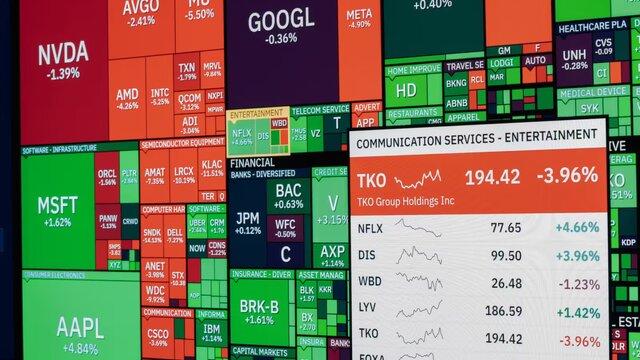
Jared Bernstein said in his weekly wrap-up, published November 15, 2026, that a Federal Reserve interest rate hike at its December 8-9 meeting is "pretty much locked in" after a hot inflation report. The same week, Nvidia's stock tumbled. Bernstein ties the two stories to a wider worry about an AI bubble.
Markets agree on the Fed call. Bernstein cited probabilities of 89% for a quarter-point hike and 11% for a 50 basis point (half-point) hike. He said he is going with the quarter-point call.
Last week's consumer price index (CPI) came in warmer than expected. Wholesale inflation, measured by the producer price index, arrived later in the week in line with forecasts. Bernstein said both he and the voters on the Federal Open Market Committee, the Fed's rate-setting board, believe the data warrants a hike.
Why prices keep rising
Bernstein pointed to tariffs and the war as obvious drivers. He said the core services category is what struck him most. War-induced airfares sit inside it, but it is a broad group that also captures price pressures he does not link clearly to those policies.
He also looked at the Census Quarterly Financial Report, which allows analysts to back out profit margins by sector. Operating margins in manufacturing, computers and retail trade are all "quite elevated," he wrote. He suspects that is another source of underlying price pressure, and one he expects to respond at least somewhat to rate hikes because it is driven more by demand than by the war's supply-side effects.
He was candid about the cost. His head calls for a hike, he wrote, but his heart is not in it. Many people are struggling, and the 30-year fixed-rate mortgage is at 7.5%.
Nvidia and circular financing
Bernstein wrote that Jensen Huang "crashed and burned" this week. His first reaction to Nvidia's falling shares was that the chips are still the chips and the demand is still the demand. He still thinks there is something to that.
Then he turned to Huang's leadership. Nvidia used much of its large profits to take stakes in other tech firms and to fund its own buyers, a practice known as circular financing.
Bernstein cited an analysis arguing that Huang's control inside Nvidia and over its investment portfolio means his departure now threatens to unravel a web of financial dependencies binding the AI ecosystem together. Huang, Bernstein wrote, was instrumental in spinning that web. It feeds directly into his case that AI is a financial bubble.
Bernstein discussed that case in a video conversation hosted by Paul Krugman, with economist Jason Furman also taking part. They covered whether AI is a bubble and what could happen if it pops.
 Take the quizWhat Kind of Holiday Spender Are You? Take the Black Friday QuizStart →
- 1Column: 4 Reasons to Eat Dark Chocolate, Dietitians Say

- 2Mavericks Surfers Race to California for Waves Near 50 Feet

- 3Meghan Markle Plans US Return to See Mother After Father’s Arrest

- 4Chrissie Swan, 52, Tears Up Over Secret Surprise While Recovering

- 5NYC Medical Examiner Has Not Determined Cause of Death of Beau Rose Jessup

 Lifestyle7 Signs Your Social Battery Is Running Low (and Why You Keep Cancelling Plans)
 Lifestyle · Food & HealthThanksgiving Food Safety: How Long Leftovers Last and the Safe Turkey Temperature
 Lifestyle7 Quiet Habits of Emotionally Intelligent People, According to Psychologists
 LifestylePeople Who Don’t Like Celebrating Their Birthday Often Share These 7 Traits