Zinc-Iodine Battery Retains Nearly All Capacity in UCL Tests
University College London researchers built a water-based battery that kept nearly all its storage capacity through thousands of charge cycles. A new electrolyte lets iodine move four electrons instead of two. The team now plans larger-scale tests for grid storage, where lithium-ion currently dominates.
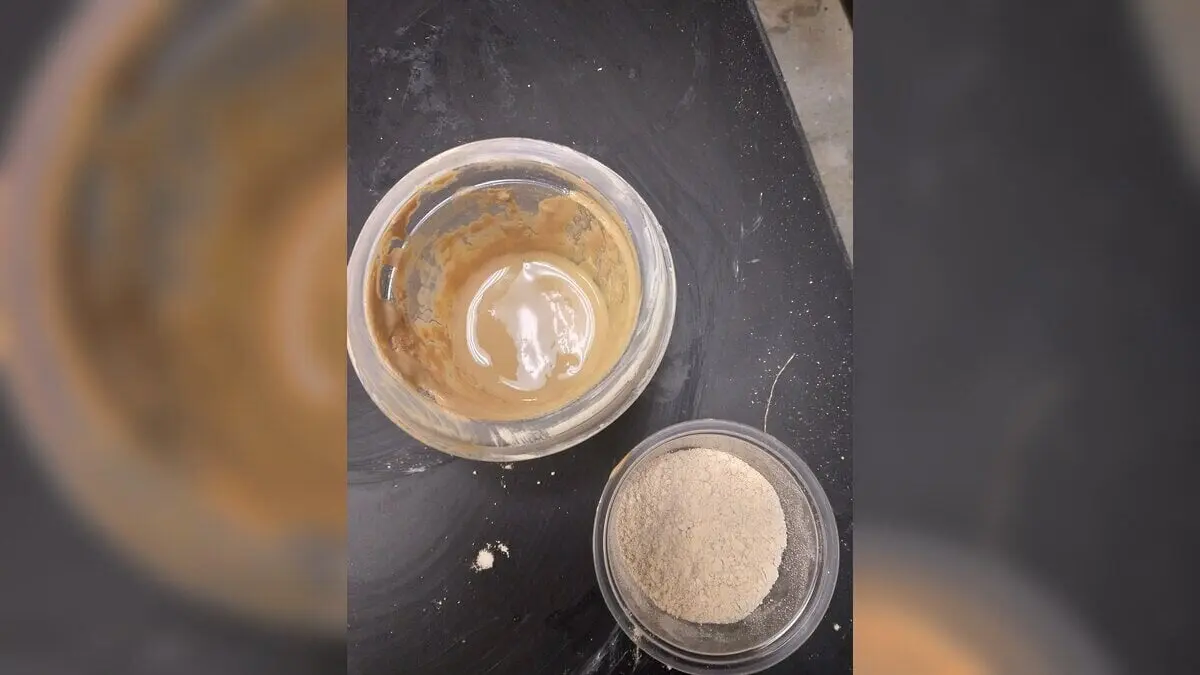
A water-based zinc-iodine battery retains nearly all of its storage capacity after thousands of charge and discharge cycles in lab tests led by University College London (UCL), according to a study published in the journal Nature.
The result matters for wind and solar farms. Grid batteries must soak up surplus power and release it when generation drops, and they must do so repeatedly without wearing out.
A new electrolyte for iodine
The UCL team developed an electrolyte, the liquid that carries charge inside a battery. It keeps reactive forms of iodine stable in water, so the battery can draw more capacity from the same material.
In the team's design, iodine transfers four electrons during charging and discharging. Conventional iodine battery chemistry manages two.
The hard part is stopping the highly reactive forms of iodine from reacting with water. Earlier experiments used highly concentrated electrolytes containing halogens. Those mixtures helped, but they were corrosive and costly, which made them hard to manufacture at scale.
The UCL-led group changed the chemistry of the liquid right around the iodine. Some molecules in the new electrolyte keep water away, while others bind to the reactive iodine forms and help prevent unwanted reactions.
Pouch and coin cells
The researchers demonstrated the electrolyte in pouch cells and coin cells. Pouch cells are the flat packages common in phones and laptops. Coin cells are small, disk-shaped batteries used in low-power devices.
The chemistry worked in both formats. Summaries of the paper put the figure at 96% of capacity retained after 1,000 cycles.
The team said the electrolyte design could also be adapted for aluminum-iodine batteries, giving researchers another chemistry to explore for stationary storage.
Why it matters for the grid
Water-based batteries are a possible alternative to lithium-ion systems, which can pose a fire risk. Their relatively low energy density has made it harder to store large amounts of electricity. Large battery farms today rely on lithium-ion technology.
Guanjie He, a professor at UCL Chemistry and the study's corresponding author, said he was excited that the chemistry "can help aqueous batteries move one step closer to commercialization and wide deployment."
First author Ruwei Chen pointed to a wider challenge. "We also need to understand how they interact with the water-based electrolyte and how those interactions change as the battery charges and discharges," he said.
The results so far come from the lab. He said next steps include testing the technology at a larger scale and improving its performance under realistic operating conditions, closer to those of a battery farm.
 Take the quizWhat Kind of Holiday Spender Are You? Take the Black Friday QuizStart →
- 1Column: 4 Reasons to Eat Dark Chocolate, Dietitians Say

- 2Mavericks Surfers Race to California for Waves Near 50 Feet

- 3Meghan Markle Plans US Return to See Mother After Father’s Arrest

- 4NYC Medical Examiner Has Not Determined Cause of Death of Beau Rose Jessup

- 5Chrissie Swan, 52, Tears Up Over Secret Surprise While Recovering

 Lifestyle7 Signs Your Social Battery Is Running Low (and Why You Keep Cancelling Plans)
 Lifestyle · Food & HealthThanksgiving Food Safety: How Long Leftovers Last and the Safe Turkey Temperature
 Lifestyle7 Quiet Habits of Emotionally Intelligent People, According to Psychologists
 LifestylePeople Who Don’t Like Celebrating Their Birthday Often Share These 7 Traits