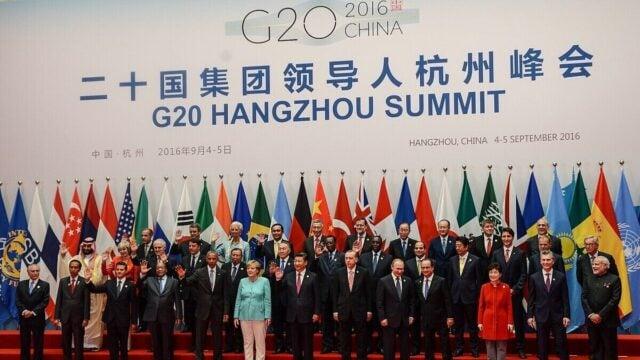
Carney and Xi Agree to Cut Tariffs on Canadian Seafood
Canadian Prime Minister Mark Carney and Chinese President Xi Jinping agreed to reduce tariffs on Canadian pork, fish and seafood during talks in Shenzhen. Canada will extend tariff exemptions for Chinese steel and aluminum for two years, as both countries seek closer trade ties amid disputes with the United States.
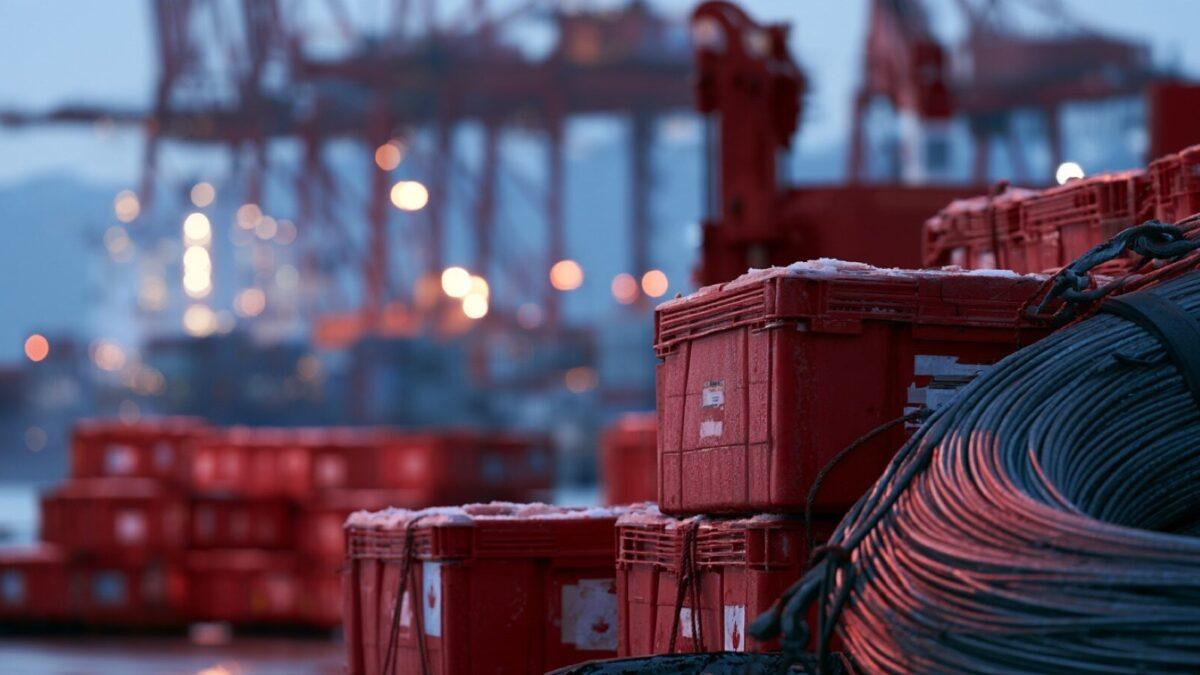
Canadian Prime Minister Mark Carney and Chinese President Xi Jinping agreed in Shenzhen on Tuesday to reduce tariffs on Canadian pork, fish and seafood, as Canada's Carney and China's Xi seek closer trade ties amid disputes with the United States.
Canada will extend existing tariff exemptions for Chinese steel and aluminum for two years. The agreements were announced by the Canadian government ahead of the Asia-Pacific Economic Cooperation (APEC) summit in Shenzhen.
The deal deepens a trade relationship both countries have been working to expand after years of strained ties. Ottawa is seeking to reduce Canada's dependence on the U.S. market as trade tensions with Washington put pressure on the Canadian economy.
China will lower tariffs on the Canadian products, while Canada will also expand the steel and aluminum exemptions to cover 32 additional product categories, according to the agreement announced by the Canadian government.
The two leaders also agreed to strengthen cooperation on economic and financial matters, e-commerce, education and environmental protection.
Carney described relations with China as offering “greater predictability and stability.” Xi said cooperation would “benefit not only our two countries but also Asia-Pacific and the world.”
Carney said Canada had made faster-than-expected progress toward its goal of increasing exports to China “by 50% by the end of this decade.”
The latest agreement builds on a January deal reached in Beijing. That arrangement lowered tariffs on Canadian agricultural products and gave Chinese electric vehicles easier access to the Canadian market.
Canada announced earlier this year that it would allow 49,000 Chinese electric vehicles into the country at a low tariff rate, with plans to raise the quota gradually to 70,000 by 2030.
The shift comes as tariffs imposed by U.S. President Donald Trump have weighed on Canada's auto sector. About 90% of cars made in Canada are sold in the United States, and the tariffs have been linked to thousands of job losses.
Carney has said Canada could turn to European and Asian automakers if it cannot reach a trade deal with the United States. He has also argued that access for Chinese electric vehicles could bring investment to Canadian-owned companies and create manufacturing jobs.
The closer relationship with Beijing has drawn criticism in Canada over potential risks to security and national values. Canadian intelligence believes China interfered in at least two federal elections; Beijing denies the allegation.
Peter Navarro, a senior trade and manufacturing adviser to Trump, criticized Carney’s approach in a post on X. “Are u really threatening to play China off the US? This is offensive in the extreme,” Navarro wrote. “You should be far more worried China is going to eat Canada alive.”
The agreements were reached ahead of the APEC summit, where Trump and other world leaders were expected to gather that week.
 Take the quizWhat Kind of Holiday Spender Are You? Take the Black Friday QuizStart →
- 1U.S. Emergency Alert Test Nov. 17 Is Not a Power Outage

- 2DUP Chairman Lord Morrow Loses Wife and Daughter Within Hours in NI

- 3NASA’s Curiosity Rover Burst Open a Rock and Found Pure Sulfur

- 4Women With Autoimmune Diseases Wait About 4 Years for Diagnosis, Study Finds

- 5Stock Market Today: Dow Futures Slip as Nasdaq Futures Climb Before Earnings
 Lifestyle7 Signs Your Social Battery Is Running Low (and Why You Keep Cancelling Plans)
 Lifestyle · Food & HealthThanksgiving Food Safety: How Long Leftovers Last and the Safe Turkey Temperature
 Lifestyle7 Quiet Habits of Emotionally Intelligent People, According to Psychologists
 LifestylePeople Who Don’t Like Celebrating Their Birthday Often Share These 7 Traits