Florida Flooding Shuts Roads and Forces Water Rescues
Torrential rain flooded homes and closed major roads in southeast Florida, where Hollywood declared an emergency. More rain threatens the state’s Atlantic coast, while a developing storm could disrupt East Coast travel ahead of Thanksgiving.
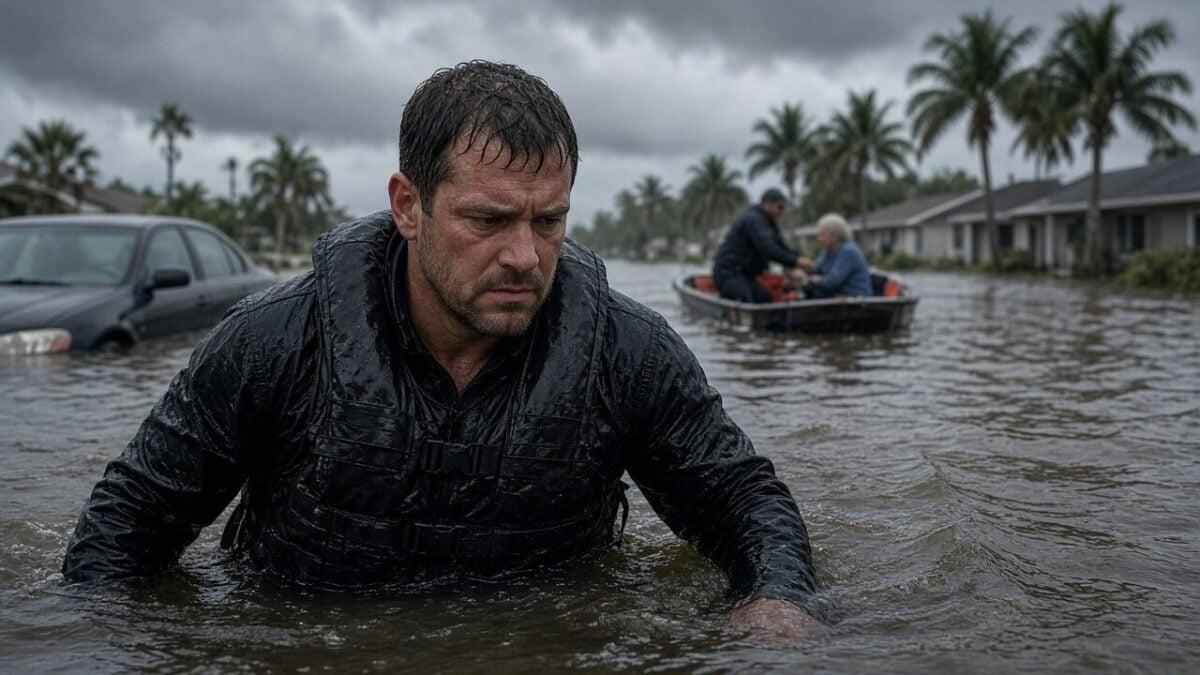
Hollywood’s mayor declared a state of emergency after flooding closed roads and forced rescues overnight in southeast Florida. The developing storm could also disrupt East Coast travel before Thanksgiving.
More than a foot of rain fell in hours around Hollywood, the National Weather Service in Miami said. Some places received more than 5 inches per hour.
The mayor urged residents to shelter in place as water closed parts of Interstate 95 and Florida’s Turnpike.
First responders received more than 300 calls for service between 11 p.m. and 4 a.m., the Hollywood Police Department said. High-water vehicles remained deployed later that morning.
Heavy rain caused the roof of Temple Sinai in Hollywood to collapse, police said. No injuries were reported.
All Broward County Public Schools closed, as did several Keiser University campuses. The school district said the status of classes would be shared later.
Broward County and Fort Lauderdale also declared emergencies. Fort Lauderdale officials said residents could park cars free on the upper levels of a public garage.
More rain threatens eastern Florida
Eastern Florida faces a Level 3 out of 4 flood risk over three consecutive days. The forecast calls for a widespread 3 to 6 inches of rain, with 8 to 12 inches or more possible in some coastal areas.
The highest totals will depend on where storms form and stall. More flash flooding is possible in southeast Florida, while the greatest area of concern shifts north.
That area includes parts of the Space Coast that experienced severe flooding earlier this month. Some rivers there remain high, leaving nearby areas vulnerable to more rain.
Melbourne is among the areas facing the highest flood threat. The city recorded its rainiest day on record on November 2, when 11.5 inches fell.
Onshore winds and high surf could also cause dangerous rip currents and major beach erosion along the Florida coast.
Storm could disrupt holiday travel
Forecasters expect the storm to move north after drenching Florida, though its eventual path remains uncertain. One possible track would take it near the Southeast coast and into the Northeast.
That route could bring rain, wind and coastal flooding, along with airport delays and hazardous road travel. Another scenario would keep the storm near the Southeast coast before it heads out to sea.
The National Hurricane Center said there is a medium chance the system could become a tropical or hybrid storm if it remains over water long enough.
 Take the quizWhat Kind of Holiday Spender Are You? Take the Black Friday QuizStart →
- 1U.S. Emergency Alert Test Nov. 17 Is Not a Power Outage

- 2Michael Clarke Says Sandpapergate Scars Drew Steve Smith to New York

- 3Gold Silver Price November: Futures Rise Near Yearly Lows

- 42027 NFL Mock Draft Puts Ohio State’s Jeremiah Smith at No. 1

- 5GTA 6 New Zealand Time Trick Is Not Guaranteed to Work

 Lifestyle · Food & Health4 Reasons to Eat Oatmeal, According to Nutrition Experts
 Lifestyle7 Signs Your Social Battery Is Running Low (and Why You Keep Cancelling Plans)
 Lifestyle · Food & HealthThanksgiving Food Safety: How Long Leftovers Last and the Safe Turkey Temperature
 Lifestyle7 Quiet Habits of Emotionally Intelligent People, According to Psychologists