Oil Prices Settle Nearly Flat After Hormuz Tanker Report
Brent crude edged up to $91.98 a barrel while US crude slipped to its lowest settlement since August 26. Iran’s navy reported two tanker explosions in the Strait of Hormuz, as rising US inventories and higher Saudi exports added to concerns about excess supply.
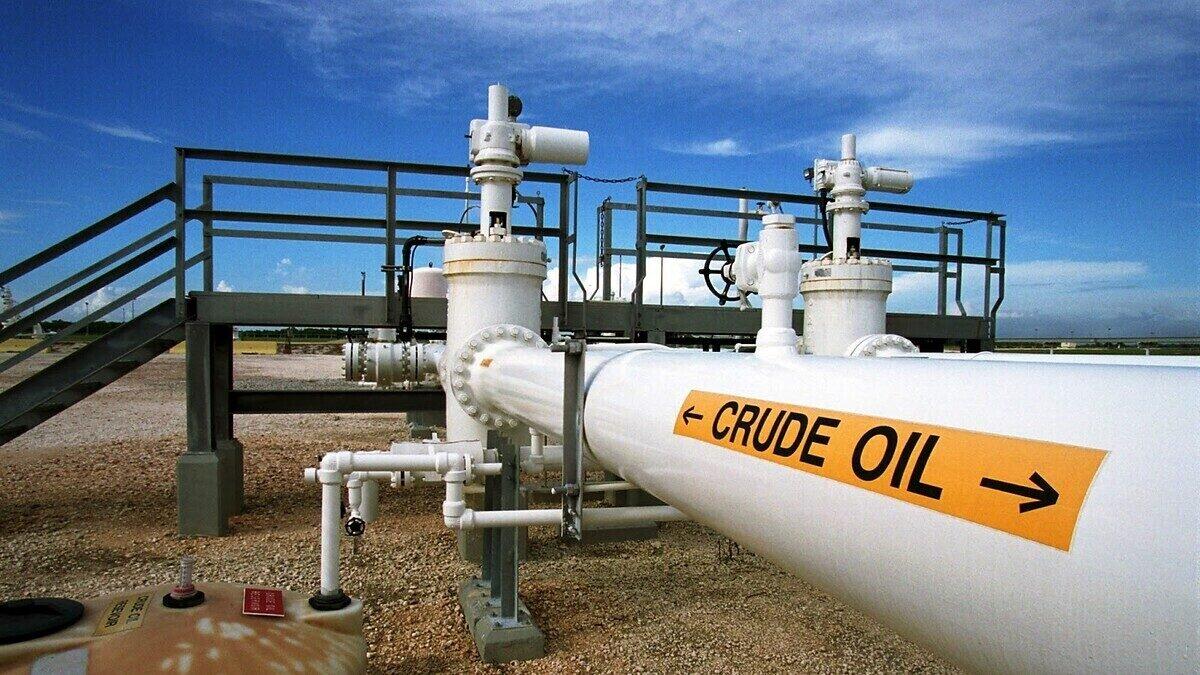
Oil prices settled nearly flat on November 19 as reported tanker disruptions in the Strait of Hormuz countered concerns about a global supply surplus. Brent crude rose 3 cents to $91.98 a barrel, while US crude fell 5 cents to $83.21.
US crude reached its lowest settlement since August 26. Rising US inventories and higher Saudi exports added to concerns about excess supply.
| Benchmark | Settlement per barrel | Change |
|---|---|---|
| Brent crude | $91.98 | Up 3 cents, or 0.03% |
| US West Texas Intermediate crude | $83.21 | Down 5 cents, or 0.06% |
Iran Reports Tanker Explosions
Iran’s navy said two oil tankers struck naval mines in the Strait of Hormuz on November 19 and exploded. The report could not be independently verified.
The Iran-aligned Houthi movement also fired missiles at Riyadh, the Saudi Arabian capital. Saudi civil defense said the attack damaged several floors of the city’s tallest skyscraper and nearby buildings.
The skyscraper houses the Saudi sovereign wealth fund’s headquarters. No injuries were reported, civil defense said.
Two Western officials briefed by Saudi Arabia said the kingdom was preparing for its war against Yemen’s Houthis to extend well into next year.
UBS analyst Giovanni Staunovo said rising Iranian attacks were weighing on Middle Eastern exports as China increased crude imports. He said that was reducing oil on the water and tightening the market.
The International Energy Agency said the Middle East conflict had caused cumulative supply losses of 2.8 billion barrels of oil and 60 billion cubic meters of gas from the Gulf.
The agency said the conflict could also cut world oil demand by more than 4% by 2035. That would depend on governments accelerating electrification, efficiency and switches to other fuels.
Saudi Exports and US Stockpiles Rise
Saudi Arabia’s crude exports rose nearly 21% in September from August, reaching 5.38 million barrels per day, according to the Joint Organizations Data Initiative. That was the highest level since February.
The US Energy Information Administration reported a larger-than-expected increase in US oil inventories. US Energy Secretary Chris Wright said Washington was considering increasing diesel and oil exports to Europe.
US President Donald Trump met Chinese President Xi Jinping and Russian President Vladimir Putin on November 19. The leaders agreed on a symbolic peace declaration and pledged to increase fuel products for all countries.
Trump said he and Xi felt strongly that oil should flow through the Strait of Hormuz. He also said the US would “see what happens” in its conflict with Iran after January 1.
US Senate Republicans rejected legislation directing Trump to end the war in Iran or obtain Congress’ approval to continue it.
Putin said Russia would hit back after Ukraine struck the bridge linking Russia and Crimea for a third time that week. He said he was dropping any idea of a moratorium on attacks against energy sectors and shipping.
 Take the quizWhat Kind of Holiday Spender Are You? Take the Black Friday QuizStart →





 Lifestyle · Food & HealthWhat Is Raynaud’s Syndrome? Why Fingers Turn White in the Cold
 Lifestyle · Food & Health4 Ways Walking After Meals Helps Your Body, Doctors Say
 Lifestyle · Food & Health4 Reasons to Eat Oatmeal, According to Nutrition Experts
 Lifestyle7 Signs Your Social Battery Is Running Low (and Why You Keep Cancelling Plans)