Philadelphia Fed: Grad Borrowers Over New Loan Caps Default Twice as Often
Graduate borrowers who took out more than the new federal lending limits defaulted at about twice the rate of those below them, a Philadelphia Fed study found. Researchers say credit scores and program earnings predict default better than loan size.
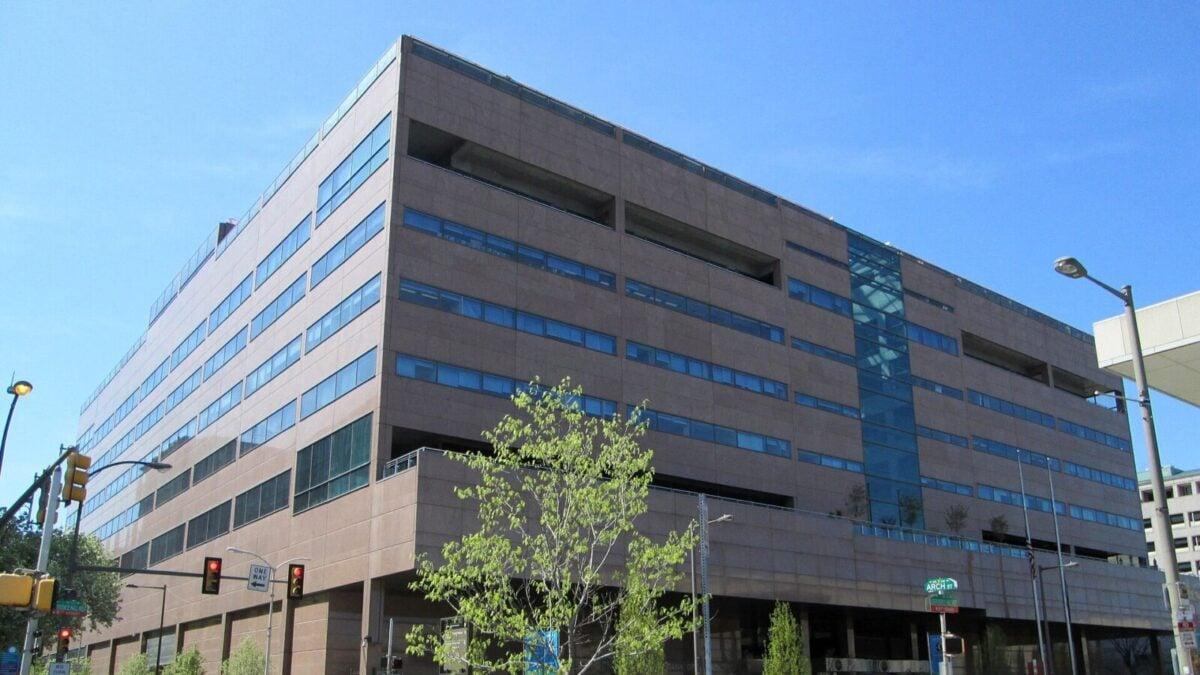
Graduate students who borrowed above the new federal lending limits defaulted about twice as often as those who borrowed below them, according to new research from the Federal Reserve Bank of Philadelphia's Consumer Finance Institute. The study adds to the student loans news around the caps set by a 2025 law.
The three-year default rate was 6.5% for graduate borrowers above the limits and 3.3% for those below. Master's students drove the gap, defaulting 7.2% of the time when they borrowed above cap levels.
The researchers looked at borrowers who took out federal graduate loans and entered repayment between 2011 and 2016. Limits were set in inflation-adjusted dollars pegged to 2025.
Even so, they called the caps "a blunt instrument for screening out low-performing borrowers." They suggested a "richer set of criteria," including program earnings and credit profiles, would address default risk better than loan amounts.
Credit scores and earnings matter
Credit risk scores strongly predicted defaults. Borrowers with scores of 300 to 579, labeled "deep subprime," defaulted at 12.4%. The rate fell to half a percent for those scoring 770 to 850.
In every credit score bracket, students who borrowed above the limits defaulted more often than those below them.
Program earnings also played a major role. Subprime and near-prime borrowers in the highest-earning programs defaulted less often than prime borrowers in lower-earning programs. "Loan limits are a far coarser signal of loan performance than either creditworthiness or program characteristics," the researchers wrote.
Riskier borrowers could be shut out of higher-earning programs, the study suggests, as private lenders are expected to take a larger share of student lending.
Political pressure after midterms
The Republican spending bill enacted in 2025 ended the Grad PLUS program. It set lifetime federal caps of $100,000 for graduate students and $200,000 for professional students, a classification being disputed in court.
Rep. Tim Walberg, Republican chair of the House Education and Workforce Committee, said when the law passed that it would help ensure "students don't borrow excessive debt they can never repay."
Democrats won the midterm elections, and the caps could face pressure. Rep. Bobby Scott, the committee's ranking Democrat, has criticized them. In March, he and other committee Democrats said the structure will "further restrict higher education access, particularly for low- and middle-income borrowers."
Near-term changes would need President Donald Trump's signature, or enough Republicans joining Democrats to override a veto.
 Take the quizWhat Kind of Holiday Spender Are You? Take the Black Friday QuizStart →
- 1Nasdaq Falls Into Correction as Buffett’s Crash Advice Resurfaces

- 2Dow Futures Jump 1.5% as Wall Street Tries to Rebound From Rout

- 3Stock Market Today: Dow, S&P 500 Futures Surge After Tech Rout as Oil Slides

- 4GTA 6 Metacritic User Score Falls Despite Near-Perfect Reviews

- 5Wests Tigers Allow Fainu Loan as Fogarty Talks Continue

 Lifestyle · Food & HealthCold vs Flu vs RSV: How to Tell the Difference by Symptoms, Speed and Duration
 LifestyleWhy Do Long Lines Make People Curious? 5 Reasons We Join the Crowd
 Technology · Apps & SoftwareHow to Secure a Home Wi-Fi Network: 7 Steps Cybersecurity Agencies Recommend
 Lifestyle · Food & HealthHigh Blood Pressure: Symptoms, Readings and 5 Ways to Lower It, Experts Say