California Voters Reject Billionaire Tax in 2026 Election
California voters rejected a one-time tax on billionaires that supporters wanted to use for health care and other public programs. Labor leader Suzanne Jimenez says health care workers may seek another ballot measure, while an economist points to concerns about the proposal’s effect on the state budget.
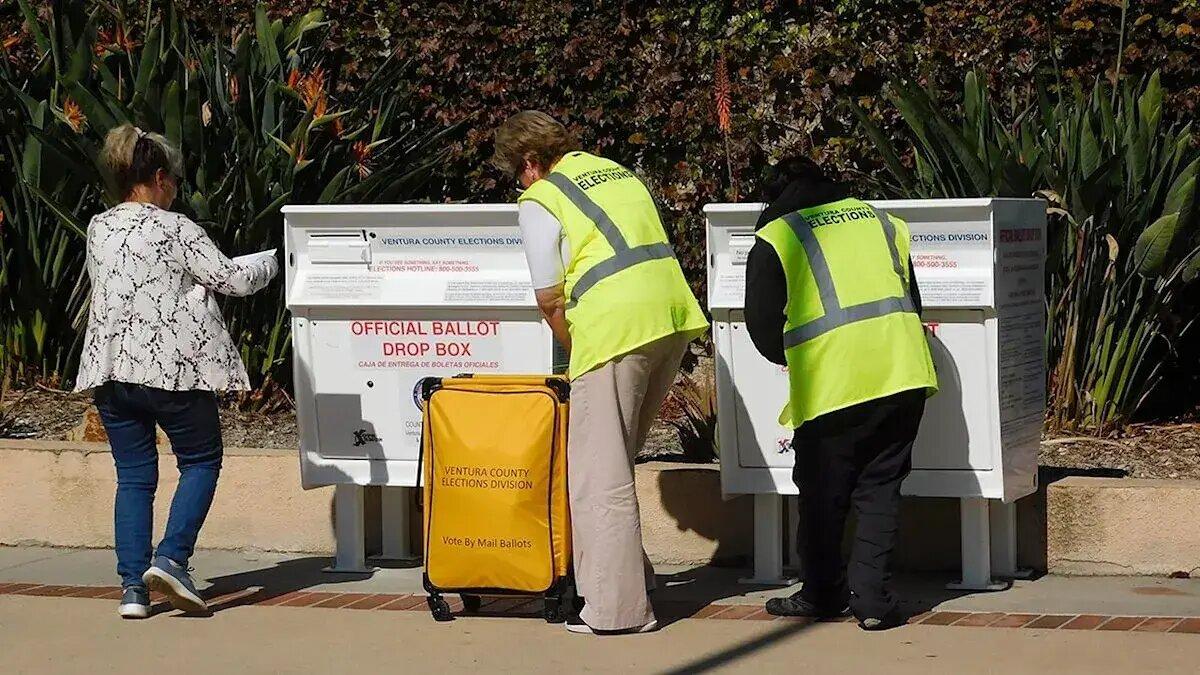
California voters rejected a billionaire tax in the 2026 election, defeating a proposal that would have funded public health care and other programs. The result came as California faces an expected $30 billion loss in federal Medicaid funding, according to the California Health Care Foundation.
The vote was close. Proposition 40 failed in the Nov. 3 midterm election, with 52% opposed and 48% in favor. The measure received 6,287,567 votes in support and 6,824,174 against.
The proposal would have imposed a one-time 5% tax on the assets of California taxpayers with wealth valued at $1 billion or more. Covered assets included businesses, securities, art and collectibles.
Health care workers may try again
Proposition 40 sponsor Suzanne Jimenez said health care workers could seek another billionaire tax ballot measure in 2028. Jimenez is chief of staff for the Service Employees International Union – United Healthcare Workers West.
The union has said supporters will try again. Its representatives declined to say whether they would pursue another ballot measure or encourage a lawmaker to introduce legislation.
Jimenez blamed the defeat on spending by wealthy opponents. She said they had “poured nearly five hundred million dollars into a deeply misleading and corrupt campaign” against the proposal.
Wayne Winegarden, an economist at the Pacific Research Institute, offered a different assessment. He said concerns about the measure’s effect on California’s budget helped defeat it.
Winegarden also credited Democratic Gov. Gavin Newsom’s opposition. Winegarden said the way the measure was drafted divided groups that might otherwise have supported it.
Federal health funding faces reductions
Roughly 90% of the proposed tax revenue would have funded public health care programs such as Medi-Cal, California’s version of Medicaid. The remaining 10% would have supported public education and food assistance, including CalFresh.
The proposal responded to federal Medicaid spending reductions in H.R. 1, the One Big Beautiful Bill Act. Congress passed the bill, and it was signed into law in July 2025.
The Congressional Budget Office said federal Medicaid spending would continue to grow, although more slowly than it projected in January 2025. Its February 2026 baseline projected outlays rising from $708 billion in 2026 to $981 billion in 2036.
The agency said the 2025 reconciliation act reduces projected Medicaid outlays by $1.2 trillion over 2026 to 2035.
Jimenez said health care workers would pursue “every available avenue, up to and including putting a billionaire tax back on the ballot in 2028.”
 Take the quizWhat Kind of Holiday Spender Are You? Take the Black Friday QuizStart →
- 1Meta Platforms shares rise 2.5% as AI loan and Amazon talks draw focus

- 2Qualcomm shares rise to $168.66 as chipmaker bucks wider tech selloff

- 3Broadcom shares edge down as late rebound trims early AI selloff

- 4Alphabet stock slides to $270 as credit concerns deepen

- 5Sandisk stock slides as memory supply fears hit AI trade

 Lifestyle · Food & HealthNorovirus Symptoms: How Long It Lasts and When You Stop Being Contagious
 Lifestyle · Food & HealthCold vs Flu vs RSV: How to Tell the Difference by Symptoms, Speed and Duration
 LifestyleWhy Do Long Lines Make People Curious? 5 Reasons We Join the Crowd
 Technology · Apps & SoftwareHow to Secure a Home Wi-Fi Network: 7 Steps Cybersecurity Agencies Recommend