Canadian Thanksgiving Travelers Face Turkey Leftover Ban
Canadian travelers returning from US Thanksgiving gatherings cannot bring homemade poultry dishes or turkey leftovers across the border. Canada’s border agency says travelers must declare food, with penalties of up to C$1,300 per violation. Some commercially packaged poultry products remain eligible for import.

Canadian Thanksgiving travelers returning from the United States cannot bring homemade turkey dishes or poultry leftovers into Canada, the Canada Border Services Agency says. Travelers who fail to declare food products face penalties of up to C$1,300 per violation.
The restrictions apply to Canadians returning from US Thanksgiving gatherings. They are intended to prevent the spread of bird flu amid outbreaks in both countries.
“Homemade food or leftovers containing poultry cannot be brought into Canada,” the border agency said in an October travel advisory.
Homemade turkey sandwiches are prohibited. The Canadian Food Inspection Agency also lists restaurant food and leftovers containing poultry among prohibited items.
Poultry products bought from roadside stands, farms and backyard flocks are restricted, too.
Some packaged poultry remains permitted
Travelers may bring certain commercially packaged grocery purchases into Canada if they meet packaging, labeling and personal import requirements.
Eligible products include frozen whole turkeys, rotisserie chickens, deli meats, eggs and packaged chicken breasts. The food inspection agency says products must be retail-packaged for human consumption and labeled “Product of the USA.”
Those products can come from any American state, including states experiencing bird flu outbreaks. Personal allowances include up to 20 kilograms of meat and poultry products and five dozen eggs per person.
The rules extend to pet food. Cooked kibble and canned products containing poultry are permitted subject to import requirements, including that the animal accompanies the traveler.
“Raw pet food is not eligible for importation by travelers at any time,” the food inspection agency said.
Undeclared food can bring penalties
Border officers can confiscate undeclared food, plant and animal products. Penalties range from C$500 for minor violations to C$800 for serious violations and C$1,300 for very serious violations.
Multiple violations can result in additional penalties. Motorists are responsible for all goods inside their vehicles, the border agency said.
“Declare everything you have with you upon entry into Canada,” the agency said.
Border officials have also encouraged motorists to check wait times before leaving. They generally recommend early morning crossings to avoid congestion.
Travelers have been advised to consider alternative routes because of construction at the Saint-Bernard-de-Lacolle crossing, which connects Quebec with New York State.
Canada’s Thanksgiving holiday fell on October 12. Statistics Canada recorded 172,900 arrivals that day, making it the busiest day of the month for Canadian residents returning from abroad.
 Take the quizWhat Kind of Holiday Spender Are You? Take the Black Friday QuizStart →
- 1Meta Platforms shares rise 2.5% as AI loan and Amazon talks draw focus

- 2Qualcomm shares rise to $168.66 as chipmaker bucks wider tech selloff

- 3Broadcom shares edge down as late rebound trims early AI selloff

- 4Alphabet stock slides to $270 as credit concerns deepen

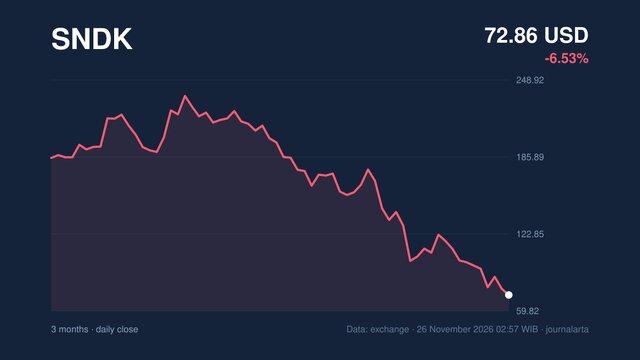
- 5Sandisk stock slides as memory supply fears hit AI trade
 Lifestyle · Food & HealthNorovirus Symptoms: How Long It Lasts and When You Stop Being Contagious
 Lifestyle · Food & HealthCold vs Flu vs RSV: How to Tell the Difference by Symptoms, Speed and Duration
 LifestyleWhy Do Long Lines Make People Curious? 5 Reasons We Join the Crowd
 Technology · Apps & SoftwareHow to Secure a Home Wi-Fi Network: 7 Steps Cybersecurity Agencies Recommend