Mapisa-Nqakula trial: witness says renovation cash spending looked like laundering
PRETORIA — A chief financial investigator told a South African court on Thursday that the cash used to renovate former defence minister Nosiviwe Mapisa-Nqaku...
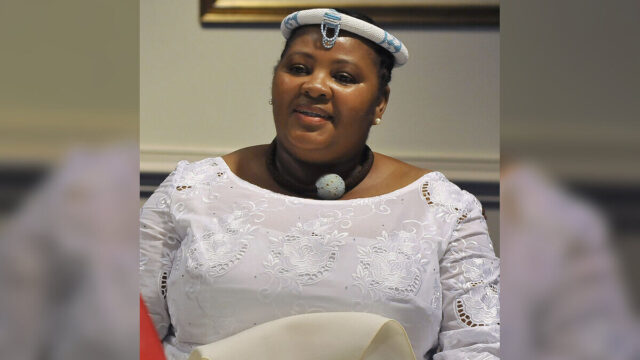
PRETORIA — A chief financial investigator told a South African court on Thursday that the cash used to renovate former defence minister Nosiviwe Mapisa-Nqakula’s Bruma home was so large it would have outstripped what she and her husband could have saved over two years, even if they had put aside every withdrawal from their bank accounts.
The evidence matters because the trial is now moving from allegations to the paper trail behind them. Witnesses say the spending pattern, the cash handovers and the way the money moved look like classic laundering. Mapisa-Nqakula faces corruption and money-laundering charges and has pleaded not guilty.
Financial records under the microscope
Wynand Wessels, the former chief financial investigator at the National Prosecuting Authority’s Investigating Directorate Against Corruption, testified before the Gauteng Division of the High Court in Pretoria after reviewing bank records, financial statements, WhatsApp messages and other documents.
He told the court that the money involved in the home upgrades could not be explained by ordinary savings. His assessment came as prosecutors try to show how funds allegedly flowed into the renovation of the Johannesburg property and were then spent on luxury finishes and furnishings.
The project, according to evidence heard in court, included a walk-in dressing room, a redesigned main bathroom, underfloor heating, a solar power system and gold-trimmed wardrobes. The entrance hall alone cost R500,000. Luxury furniture, including couches, display units and ornamental chairs, added another R375,000.
What the court heard about the home
Earlier testimony said the renovations at the Bruma house ran to nearly R1.8-million and were paid for in cash. That account also included R600,000 motorised curtains, one of the most striking figures to emerge so far from the trial.
On Tuesday, interior designer Nomsa Patricia Betty Shabangu told the court she was paid exclusively in cash for the project and that she had known Mapisa-Nqakula for about 22 years. She said she considered the former minister like a sister.
The state says Mapisa-Nqakula abused her position as defence minister by soliciting or receiving money from defence contractor Nombasa Ntsondwa-Ndhlovu. Court proceedings have also described cash being delivered in gift bags, stored in home safes and even referred to as a “wig”.
Money, politics and the wider stakes
The case has drawn attention well beyond South Africa because it fits a familiar global pattern: high-level corruption allegations, cash-heavy payments and attempts to trace money through personal spending. For prosecutors, the renovation trail may be one of the clearest ways to connect alleged bribes to an identifiable benefit.
For Mapisa-Nqakula, the courtroom battle is now about more than denying receipt of money. It is about whether the State can convince the High Court that the spending profile at her home matches the kind of layering and concealment usually seen in laundering cases.
“Even if they had saved every cash withdrawal they made from their bank accounts over two years, they still would not have had enough money,” Wessels told the court.