Suspected Gangster Ties Put Pressure on Kushner’s Albania Project
A suspected gangster with a long reach through the Balkans has become a headache for Jared Kushner’s planned project in Albania. The issue lands in
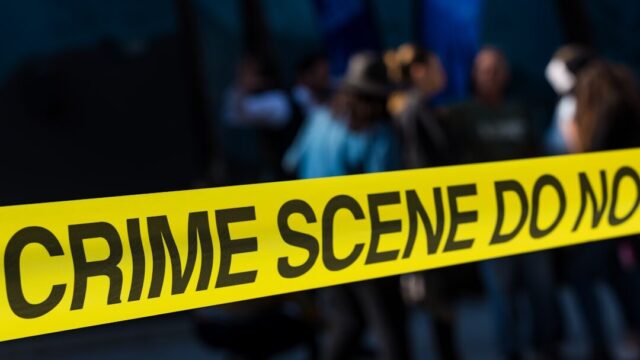
A suspected gangster with a long reach through the Balkans has become a headache for Jared Kushner’s planned project in Albania. The issue lands in a country where criminal networks, politics and big money often overlap.
Authorities and analysts have long warned that organized crime can shape deals far beyond street violence. In Rio de Janeiro, suspected militia members burned buses after a police operation killed one of their leaders. In Laos’ Golden Triangle, a sealed-off gambling zone has been linked to Chinese gangsters and brutal control over workers. And in New York, federal investigators have repeatedly targeted mob families over their grip on legitimate industries.
Criminal networks, political risk
The concern around Albania comes from the same basic problem: a high-profile development can quickly become entangled with people accused of operating outside the law. When that happens, the fallout is rarely limited to one site. It reaches regulators, partners and foreign investors who have to answer for who is involved and who benefits.
That risk is especially sensitive for projects tied to prominent political figures. Kushner, the son-in-law of former U.S. President Donald Trump, has drawn scrutiny before because of the political weight attached to his business ventures. In Albania, the presence of a suspected gangster in the orbit of the deal raises the stakes again.
Why this matters beyond Albania
Across the world, criminal groups have shown they can move into casinos, transport, waste collection and demolition work, then use violence or intimidation to protect their money. In Brazil, public buses were torched after a crime boss was killed. In the United States, federal cases have linked alleged mob figures to gambling schemes and efforts to dominate ordinary businesses.
That broader pattern is what gives the Albania project its political charge. Deals that look commercial on paper can become tests of state control, enforcement and international reputation once suspected gangsters enter the picture. For foreign investors, the question is simple. Who is really at the table?
In Rio, Mayor Eduardo Paes called the bus burners “idiots as well as criminals.” In Albania, the quieter version of the same problem is whether a disputed deal can survive the shadow cast by a suspected gangster.