Wildfire tears through New Forest as heat and wind hamper UK firefighting effort
The New Forest blaze burned through more than 100 hectares of dried heathland on Tuesday, and firefighters said the battle to hold it back could
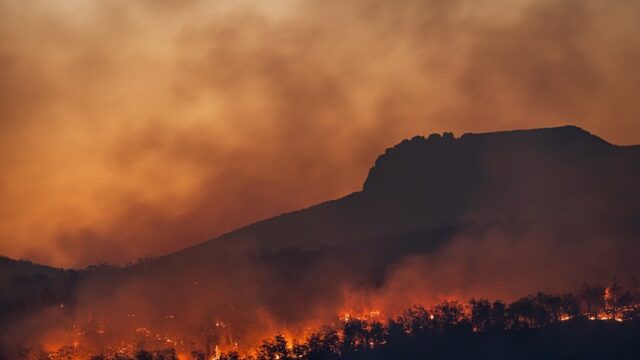
The New Forest blaze burned through more than 100 hectares of dried heathland on Tuesday, and firefighters said the battle to hold it back could last for several days. The fire has forced a key tourist route to shut, just as tens of thousands of holidaymakers are in the area.
Hot, dry and hard to reach
Smoke rose over the empty A31, the main road into the national park, while a helicopter circled above the flames. Fire crews at the scene said they were working to pin down several hotspots across the scorched landscape, but shifting winds kept pushing the fire around. The ground is dry. Too dry.
One source at the scene said crews were worried the fire was not just on the surface. As they doused the top layer, peat below could still be burning and helping the blaze spread. “They are really worried that as they dampen down the top, the peat underneath is still alight and spreading the fire. It is too dry, too windy, and it is a real struggle,” the source said.
Roads closed, repairs needed
Hampshire’s fire service said roads including the A31 dual carriageway would stay shut until at least Thursday. It also said “significant” repairs were needed to the road surface, barriers and fencing. The closure has cut off a major tourist route through one of southern England’s best-known holiday spots.
Locals have been rallying round as crews work through the heat and smoke. But the fire service expects the operation to stretch on. Not quickly. Not cleanly.
Part of a bigger summer pattern
The New Forest fire comes after the National Fire Chiefs Council said Tuesday that July was the busiest month on record for wildfires. With Britain heading toward what could become its hottest summer on record, fire services are facing pressure from dry conditions that have left grassland, heath and peat more vulnerable to ignition and spread.
For now, the concern is the next wind shift, and what it may do to the fire line before crews can bring the remaining hotspots under control.