UK stands by tanker seizure after Putin vows retaliation
The British government is standing behind its seizure of a Russian oil tanker in the English Channel after Vladimir Putin warned Moscow would “respond in
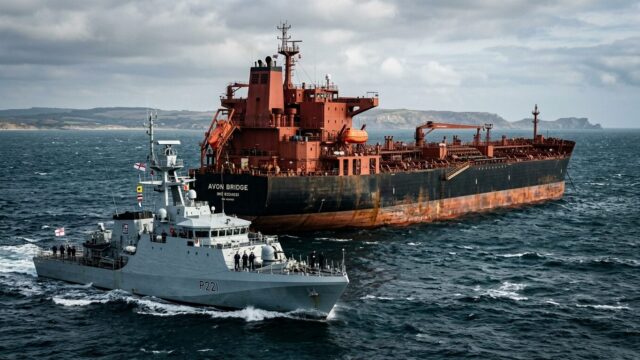
The British government is standing behind its seizure of a Russian oil tanker in the English Channel after Vladimir Putin warned Moscow would “respond in kind.” The move has thrust the shadowy world of sanctioned shipping back into view. Fast.
The vessel, the Smyrtos, has been anchored off Weymouth since Royal Marines Commandos intercepted and boarded it in June in what British officials described as a first-of-its-kind operation to disrupt a sanctioned tanker.
Putin calls the seizure piracy
Putin, speaking while overseeing Russian navy drills in the Pacific Ocean, accused Western countries of “seizing our vessels” and branded the practice “nothing other than piracy and banditry.” His remarks came as he threatened retaliation against similar actions.
British authorities have not backed away. They say the seizure fits within wider efforts to squeeze Russia’s oil trade and the vessels it uses to move crude under sanctions.
The shadow fleet behind the trade
Western governments say Russia has built a “shadow fleet” of hundreds of ships to dodge restrictions on oil exports. These vessels are accused of using tangled ownership structures and other tactics to hide where their cargo comes from, and to blur any clear link back to Russia.
The UK Ministry of Defence says the fleet now numbers more than 700 vessels and carries 75% of Russia’s sanctioned oil. That trade remains a critical lifeline for the Kremlin.
The captain of the Smyrtos, Ajay Pant, has been charged with breaching Russian sanctions. Prosecutors accuse him of directly or indirectly supplying or delivering prohibited Russian oil.
Why the case matters
The seizure in the Channel is more than a single maritime arrest. It tests how far Western countries are prepared to go in targeting ships they say keep Russian oil flowing despite sanctions.
It also raises the stakes at sea. Ships, crews and naval patrols now sit at the centre of a growing dispute over enforcement, access and the limits of retaliation. The next move may come far from Weymouth, but this case has already set the tone.