Brain-Scanning AI Recreates Images People See With New Precision
A stop sign or a pizza imagined in someone’s mind may soon be visible to an AI system. Israeli researchers say their Brain-IT program can
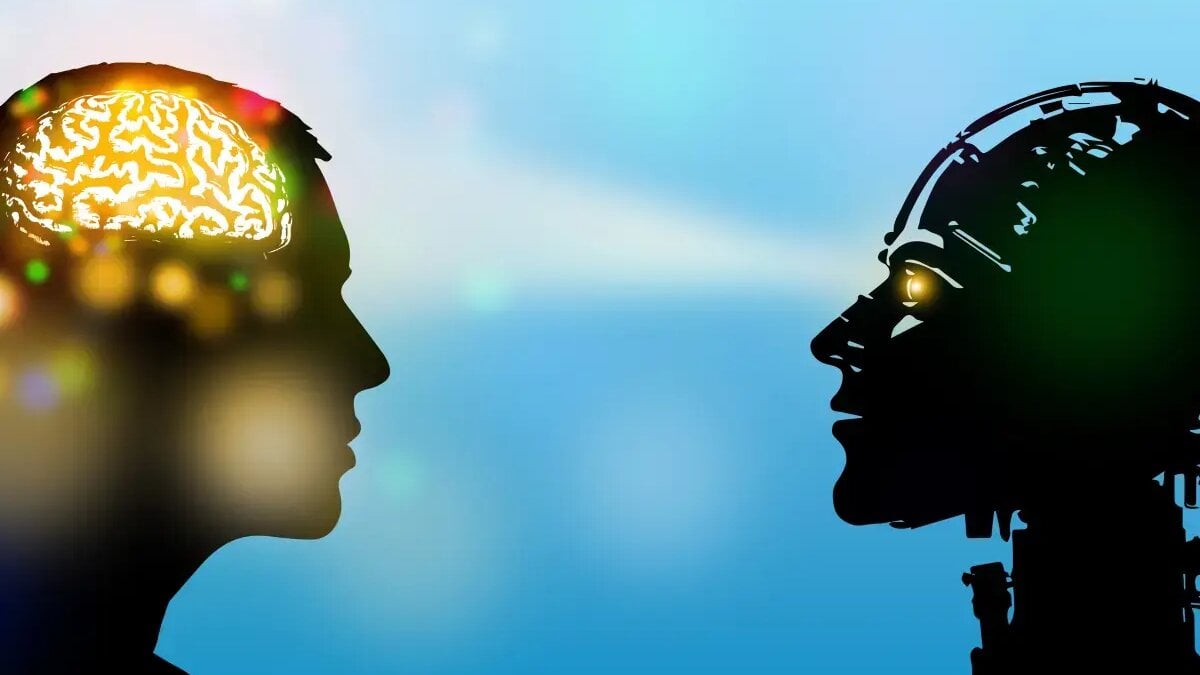
A stop sign or a pizza imagined in someone’s mind may soon be visible to an AI system. Israeli researchers say their Brain-IT program can use brain scans to recreate viewed images with greater structural and semantic accuracy than earlier approaches.
The researchers described the results in a paper submitted to the International Conference on Learning Representations. Their examples include images reconstructed from brain scans, with details such as the number of slices in an imagined olive-and-tomato pizza. The work raises a sharp question: how much information about a person’s thoughts could neural data reveal?
From blurry guesses to closer reconstructions
Brain-IT’s output, the team wrote, more closely resembles the viewed images in both structure and meaning. That is a step beyond simply guessing a broad category. The comparisons show original images alongside AI-generated versions based on scans of participants’ brains.
The claim is not that the system can freely read any thought. The reported task involves reconstructing images people have viewed, and the supplied research description does not provide further details about the testing conditions or the system’s limits. Still, producing recognizable visual details from brain scans puts a new edge on longstanding concerns about neural privacy.
Earlier efforts offered a rougher preview. In 2017, researchers at Purdue University developed a model that could predict which image a subject was thinking of, but its recreations were grainy, according to Popular Mechanics. The Brain-IT researchers say their reconstructions are more faithful.
Neural data and privacy
Brain scans are not the same as a direct transcript of a person’s inner life. But the ability to infer and reproduce visual content from them could make questions about access, consent and use harder to ignore as AI tools advance.
The source material does not detail how Brain-IT might be used outside research, or whether it can work beyond the images and conditions tested. Those limits matter: a compelling reconstruction is not proof that an AI can decode any private thought.
For now, the researchers’ submission marks a notable step in a field that has pursued AI-based image prediction for years. The next question is how reliably the system performs across people and settings — and what safeguards should govern the use of brain data.
Source: nypost.com