Australia’s Tallow Industry Could Help Cut Diesel Imports
Australia imports 90 per cent of its diesel, and global oil disruption has renewed interest in domestic fuel options. Tallow, much of it currently exported, could supply a proposed renewable fuel refinery in Brisbane as investment in rendering plants grows.
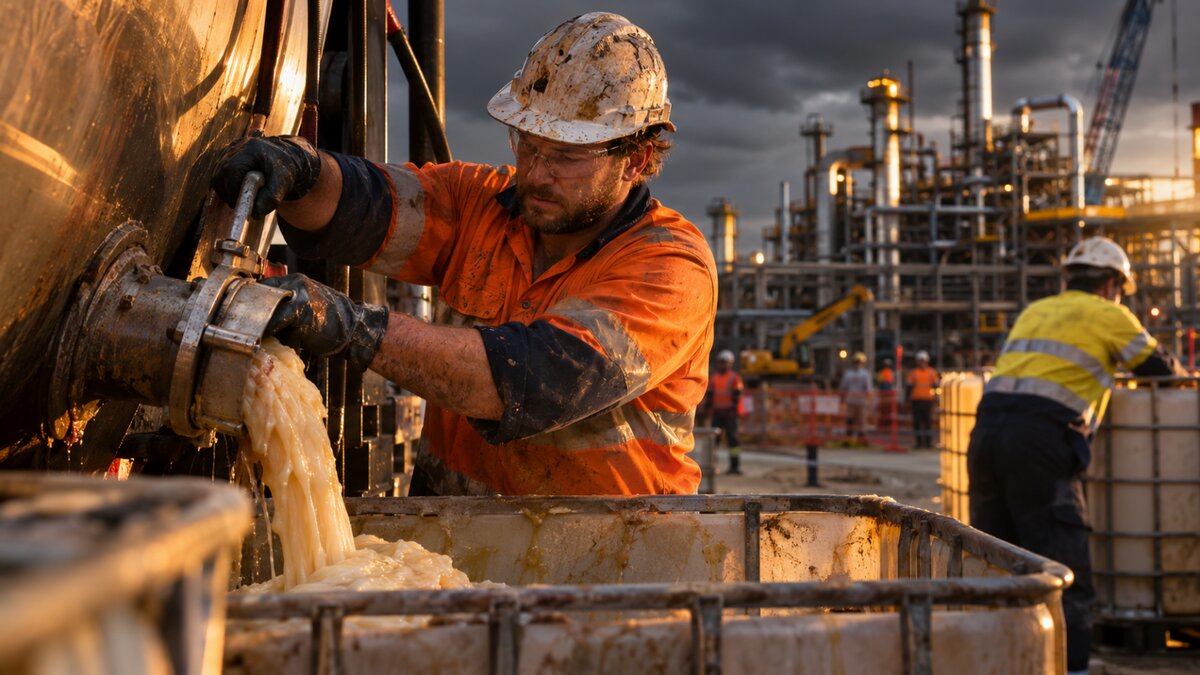
Australia’s tallow industry could help address the country’s dependence on imported diesel, with GrainCorp working on a proposed renewable fuel refinery in Brisbane. Australia imports 90 per cent of its diesel, and disruption to global oil supplies linked to the Iran war has intensified interest in alternative sources.
The stakes reach beyond transport. Diesel is vital to agriculture and mining, as well as other parts of the economy, making fuel security a concern across industries that rely on regular supply.
“What's happened in the Strait of Hormuz is fuel security has become really important,” said Jeff Summerville, GrainCorp’s head of agri-energy. “So, how can Australia be more self-sufficient?”
How could tallow help solve Australia's fuel dependence?
Tallow, a by-product of meat processing, can be combined with used cooking oils and canola oil to produce renewable fuels. GrainCorp plans to supply feedstock to a proposed refinery at Lytton in Brisbane.
Tallow is made by rendering, a process that melts and purifies fat, oils and bones from animals including cattle, sheep, poultry, pigs and goats, as well as aquaculture. The resulting product can go to fuel production, but also has established uses in food processing and animal feed.
There is a trade-off. Australia is the world’s biggest exporter of tallow and animal oils, and global demand has drawn much of the supply overseas. Exports reached a record $1.5 billion last year, driven particularly by demand from the United States.
“We still use some tallow for food refining whether it's pastries or good old-fashioned meat pies, but by far the bulk of it is exported into those renewable fuel markets,” Summerville said.
Exports and domestic fuel plans
Australia has about 3 million tonnes a year of raw materials available for rendering, said Jess Bloomfield, executive officer of the Australian Renderers Association. Last financial year, the industry produced more than a million tonnes of rendered products, primarily from beef, following the country’s largest cattle slaughter numbers since 1978.
Those products supply several markets. Bloomfield said rendered material went into pet food, poultry feed, pig feed and aquaculture. She also pointed to rising global demand for animal protein meals as pet ownership and poultry and pig production increase.
Renewable fuels are now a major driver of demand for tallow. The value of the commodity rose 26 per cent after last year’s record production. Bloomfield said about 80 per cent of Australian tallow exports currently go to the United States, where renewable fuel policy has supported demand and domestic producers lack enough feedstock.
The Australian government has committed to the Cleaner Fuels Program, Bloomfield said, with policies being written. She said the association hoped domestic production could support both a local industry and fuel security.
GrainCorp, alongside partners Ampol and IFM Investors, is working with the government to establish a low-carbon liquid fuel industry, Summerville said. The proposed Lytton refinery would process feedstock supplied by GrainCorp.
That shift could change where some animal by-products are processed and used. Rather than relying chiefly on export markets for renewable fuel demand, Australia could direct a share of the material toward fuel production at home. The proposal also links meat-processing by-products with a domestic supply chain for transport fuel.
New rendering plants expand capacity
Investment in high-tech rendering facilities has grown alongside the renewable biofuel market. Parwan Protein and Tallow, north-west of Melbourne, opened in 2023 at a cost of about $40 million.
The Failli family, which owns the business, is looking to double or perhaps triple production within the next few years. The plant takes low-value material from its own meatworks and other Victorian suppliers, then produces bone meal for animal feed and high-grade tallow.
“You've got your stomachs, you've got your heads, you've got your hoofs, you've got your fat and bone. So all that product goes into rendering,” owner Pietro Failli said.
The newer facilities contrast with older rendering plants, which were traditionally associated with candle and soap production and described as low-tech and smelly. Today, the industry’s output serves animal feed markets while also attracting interest from renewable fuel developers.
For Australia, the immediate question is whether proposed domestic processing can take shape while overseas demand remains strong. The country exported tallow and animal oils worth a record $1.5 billion last year.