SpaceX’s $1.9 Trillion Valuation Raises Growth Questions
SpaceX stock faces a debate over whether its growth can justify a roughly $1.9 trillion valuation. Starlink has expanded rapidly, but the company's spending plans and losses in its space and artificial intelligence businesses present risks.
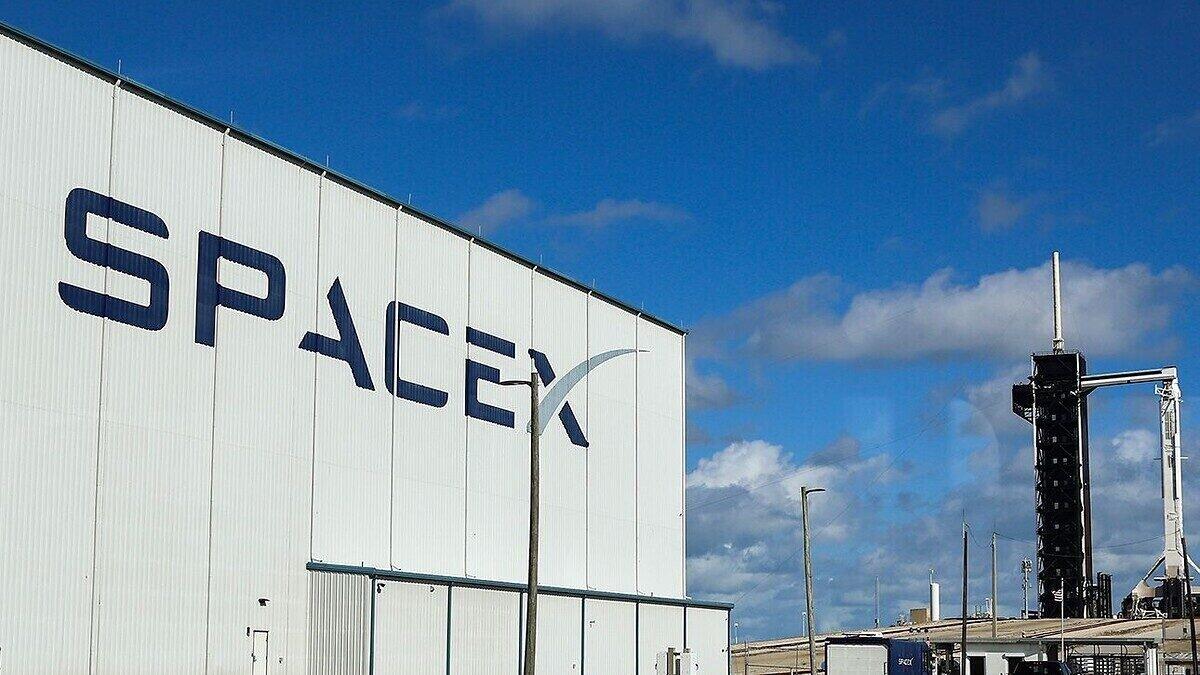
SpaceX stock has divided investors over whether to forget it for now or bet on its growth. The company has a valuation of around $1.9 trillion, while its Starlink satellite internet service reached 13.6 million subscribers at the end of the third quarter of 2026.
The stakes include the cost of expanding rockets, data centers and artificial intelligence. SpaceX's connectivity business is profitable, but losses in its other divisions nearly erased that profit in the first nine months of 2026.
Valuation Raises Questions About Growth
Writer Ryan Vanzo argues that SpaceX's valuation leaves little room for delays in its growth plans. He expects those plans could take years longer than anticipated.
Vanzo points to the need for fresh capital and commercial use of the Starship rocket. He also cites the planned expansion of terrestrial and orbital data centers and the possible production of SpaceX's own AI chips.
SpaceX trades at more than 50 times sales, with negative profits and cash flow. Vanzo argues that a high valuation can make the stock sensitive to shifts in sentiment.
The consensus Wall Street price target is around $267, suggesting 93% upside potential. That target is an estimate, not a guarantee of future returns.
SpaceX went public on June 12 at $135 per share. Its shares closed at an all-time high of $201.80 four days later and recently traded at about $138.
Starlink Growth Meets Heavy Spending
Starlink's subscriber count rose from 8.9 million at the end of 2025 to 13.6 million at the end of the third quarter of 2026. The service is available in 164 countries and territories.
Its expansion has included aviation, maritime, rural household and mobile carrier markets. Cheaper terminals also helped attract subscribers.
Starlink acquired Grain Management's nationwide 800 MHz low-band spectrum for $8 billion in October. The spectrum previously belonged to T-Mobile and adds terrestrial cellular towers to Starlink's networks.
Connectivity, the segment that houses Starlink, recorded $5.21 billion in operating profit in the first nine months of 2026. It was SpaceX's only profitable business under generally accepted accounting principles.
Over the same period, the space segment posted a $1.2 billion operating loss. The super intelligence business, which includes X, xAI, Grok and Cursor, lost $3.8 billion on $10.9 billion in revenue.
SpaceX recorded total operating profit of $705 million in those nine months. The company plans to increase capital spending from $19.6 billion in the third quarter to $35-$40 billion in the fourth quarter, mostly for Nvidia data center chips.
SpaceX plans to launch 50-100 Starship rockets in 2027. Starship has completed 15 test flights since April 2023.
 Take the quizWhat Kind of Holiday Spender Are You? Take the Black Friday QuizStart →
- 1Stock Market Today: Dow Slides 1.34% and VIX Jumps 15% at Midday

- 2Joachim Klement to Sell Stocks After S&P 500 Signal

- 3Stock Market Today: Nasdaq, S&P 500 Futures Slide as AI Selloff Deepens

- 4Kenneth Walker’s Groin Injury Puts Cardinals Game in Doubt

- 5Pat Cummins Faces Captaincy Doubts From Mitchell Johnson

 Markets · FintechHow to Calculate Compound Interest: Formula, Examples and the Rule of 72
 Lifestyle · Food & HealthNormal Blood Pressure Chart by Age: Healthy Ranges Explained
 Lifestyle · Food & HealthWhat Is Raynaud’s Syndrome? Why Fingers Turn White in the Cold
 Lifestyle · Food & Health4 Ways Walking After Meals Helps Your Body, Doctors Say