UK net migration falls to 77,000 in year to June
UK net migration fell to 77,000 in the year ending June 2026, its lowest level since 1997 outside the early pandemic, official estimates show. Fewer people arrived to work and study as the Labour government and opposition Conservatives disputed which party’s policies drove the decline.
UK net migration fell to 77,000 in the year ending June 2026, its lowest level since 1997 outside the early pandemic. The decline has prompted a political dispute over border policy as fewer people arrive to work and study.
The provisional estimate measures people arriving for at least 12 months minus those leaving. The Office for National Statistics said 738,000 people arrived and 661,000 left during the period.
Net migration was 204,000 in the year ending June 2025, according to the figures. It peaked at 944,000 in the year ending March 2023.
Work and study arrivals fall
Immigration fell 17% in the year ending June 2026. Fewer non-EU citizens received permission to work, study, bring family members to the UK or apply for asylum.
Emigration fell 4%, or 28,000, from the year ending June 2025. Many people leaving were non-citizens who had previously moved to the UK for work or study.
Home Office data showed grants to international students fell 38%, or 39,200, from January to June 2026 compared with the same period in 2025.
Grants to skilled workers, including health and care workers, and their dependents also fell 38%, or 26,300.
Parties dispute credit for decline
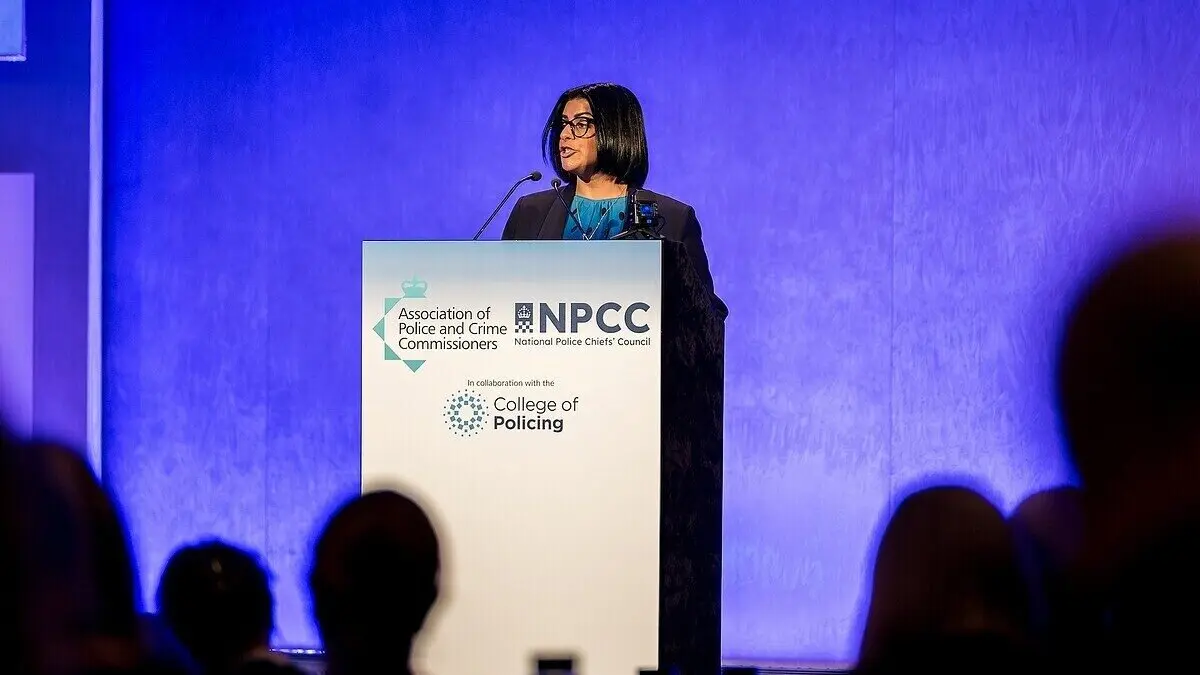
Home Secretary Shabana Mahmood credited Labour’s policies for the drop. The government made care workers and some mid-skilled jobs ineligible for work visas, suspended family reunions for refugees and tightened rules for universities sponsoring international students.
The opposition Conservatives said restrictions introduced under Rishi Sunak’s administration contributed to the fall. Those measures limited family members joining care workers and stopped dependents from moving to the UK with international students.
Shadow Home Secretary Chris Philp said: “The fall in net migration is mainly a result of changes made by the previous Conservative government.” He called for a legally binding annual cap set by Parliament.
Ben Brindle, a senior researcher at the Migration Observatory at the University of Oxford, said the decline in skilled work visas was expected to carry a fiscal cost.
Population growth slows
The statistics office estimated the UK population reached 69.6 million people, or 69,564,000, in the year ending June 2026. That was an increase of around 0.12%, or 80,000 people, and the lowest annual growth since 1983.
Around 3,000 more people were born than died, the office estimated, making migration the main driver of population change.
The office cautioned that its latest provisional migration figures carry more uncertainty than usual. It said a delay in population data required a 15-month projection for estimates of British nationals.
The office intends to update those estimates in May 2027. It is also investigating a data issue affecting estimates of family migration.
Home Office figures showed Channel crossings were down 39% year over year, with 23,983 people arriving in the UK in small boats in 2026.
 Take the quizWhat Kind of Holiday Spender Are You? Take the Black Friday QuizStart →
- 1Meta Platforms shares rise 2.5% as AI loan and Amazon talks draw focus

- 2Qualcomm shares rise to $168.66 as chipmaker bucks wider tech selloff

- 3Broadcom shares edge down as late rebound trims early AI selloff

- 4Alphabet stock slides to $270 as credit concerns deepen

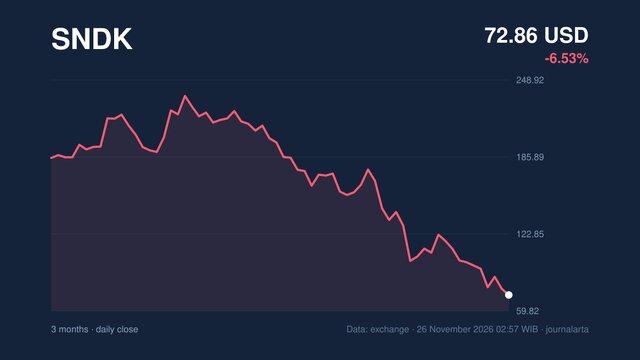
- 5Sandisk stock slides as memory supply fears hit AI trade
 Lifestyle · Food & HealthNorovirus Symptoms: How Long It Lasts and When You Stop Being Contagious
 Lifestyle · Food & HealthCold vs Flu vs RSV: How to Tell the Difference by Symptoms, Speed and Duration
 LifestyleWhy Do Long Lines Make People Curious? 5 Reasons We Join the Crowd
 Technology · Apps & SoftwareHow to Secure a Home Wi-Fi Network: 7 Steps Cybersecurity Agencies Recommend