Spain’s Housing Crisis Drives Snap Election
Spain faces an early general election after protests over affordable housing and parliament’s rejection of two housing measures. Prime Minister Pedro Sánchez hopes the issue will mobilize his left-wing supporters, while a conservative coalition including the far-right Vox party is on course to win.

Spanish Prime Minister Pedro Sánchez called an early general election after protests over the housing crisis swept Spain. The vote could bring the far-right Vox party into government alongside conservatives for the first time since the end of the Franco dictatorship in 1975.
Public anger grew after Maricarmen Abascal, 87, was evicted from the home where she had lived for seven decades. Parliament also rejected two decrees intended to address the housing crisis.
Sánchez hopes the issue will mobilize his left-wing base. His PSOE party has promised housing reforms, though a conservative coalition including the Partido Popular and Vox is on course to win.
The election carries risks for Sánchez after eight years in power. Voters could remove his government, while Vox could join forces with the conservatives.
Spain’s election comes as government representatives and housing experts meet at the United Nations in Nairobi from November 26 to 27. They are discussing homelessness, national housing policies and homes’ resilience to environmental and climate pressures.
UN-Habitat, the agency working to make cities more sustainable, is hosting the meeting. Its executive director, Anacláudia Rossbach, said the agency estimates that about 300 million people live without a roof over their heads.
“We estimate that we have about 300 million people living without a roof over their heads, but we don't have a global definition of homelessness,” Rossbach said.
UN-Habitat’s World Cities Report estimates that up to 3.4 billion people lack adequate housing. More than 1.1 billion live in informal settlements and slums, where people commonly lack secure tenure, sanitation or safe water.
Rossbach said housing policies should involve local authorities and communities, particularly people in vulnerable positions. Local governments are closer to the communities they serve and better placed to understand their needs, she said.
The Nairobi meeting is the third session of an intergovernmental working group on adequate housing established in 2023. The group aims to develop recommendations for the UN-Habitat Assembly in 2029.
UN-Habitat will launch the first version of its Housing Knowledge Platform at the meeting. The platform will bring together housing data, policy resources and examples of practices from around the world.
 Take the quizWhat Kind of Holiday Spender Are You? Take the Black Friday QuizStart →
- 1Meta Platforms shares rise 2.5% as AI loan and Amazon talks draw focus

- 2Qualcomm shares rise to $168.66 as chipmaker bucks wider tech selloff

- 3Broadcom shares edge down as late rebound trims early AI selloff

- 4Alphabet stock slides to $270 as credit concerns deepen

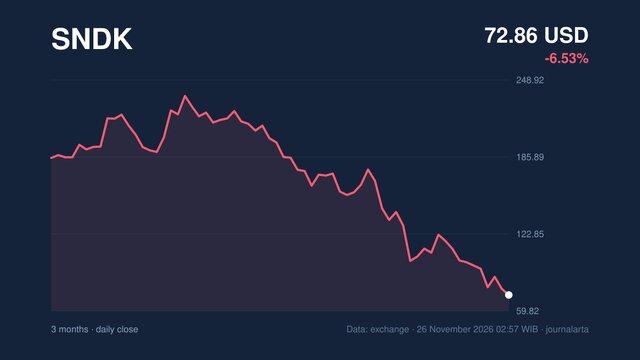
- 5Sandisk stock slides as memory supply fears hit AI trade
 Lifestyle · Food & HealthNorovirus Symptoms: How Long It Lasts and When You Stop Being Contagious
 Lifestyle · Food & HealthCold vs Flu vs RSV: How to Tell the Difference by Symptoms, Speed and Duration
 LifestyleWhy Do Long Lines Make People Curious? 5 Reasons We Join the Crowd
 Technology · Apps & SoftwareHow to Secure a Home Wi-Fi Network: 7 Steps Cybersecurity Agencies Recommend